









8 Aug 2026
Perimenopause Supplements 101: Which Symptoms to Address First
There's a moment many women describe during perimenopause – not dramatic, just quietly disorienting. The sleep that used to come easily, but doesn't anymore. The word that hovers just out of reach. The hot flushes that leave your bedsheets soaked and send your 3am thoughts racing. And then come the supplements. The advice. The well-meaning friends, the Instagram reels, the conflicting headlines. Collagen or magnesium? Probiotics or adaptogens? All of the above? It's a lot to manage when you’re feeling less like yourself.
It can be difficult to know where to start, so we’ve built a science-backed guide to help you navigate this new chapter. As the brand behind the UK’s original and bestselling longevity supplement, science and research is at the heart of everything we do – we’re pointing you toward what’s evidence-backed, clearly reasoned, and focused on what genuinely moves the needle. We'll cover which symptoms deserve your attention first, why the order matters, and how the right combination of daily habits and targeted supplements can help you feel like yourself again.
Don’t just take our word for it – in the words of longtime Morning & Night subscriber, Marianne
“I wouldn’t be without Morning & Night, I’ve noticed such a difference since taking these, they’ve helped immensely with my perimenopause symptoms!”
Put Sleep First: Reclaim Restful Nights
Whenever you’re feeling out of sorts (whether you’re in perimenopause or otherwise), it’s often best to start with your sleep.
Why focus on sleep?
Sleep disturbances are extremely common in perimenopause: falling oestrogen levels and midlife stressors often lead to insomnia or poor-quality sleep – sometimes years before your periods actually stop. You might find it hard to drift off or stay asleep through the night and unfortunately, lack of sleep can sometimes make other perimenopause symptoms worse. Research shows that not getting enough sleep can leave you feeling irritable or down and even more forgetful than usual (an already bothersome perimenopause symptom).
In fact, menopause experts note it can become a vicious cycle: night-time hot flushes and mood changes can disrupt sleep, and then the resulting fatigue and grogginess make you feel even more moody and unfocused. That’s why improving your sleep is an essential first step – better rest can brighten your mood and sharpen your mind as you navigate this hormonal shift.

How to improve perimenopausal sleep
Start with the basics of good ‘sleep hygiene.’ The NHS recommends simple changes like keeping your bedroom cool and dark, having a calming bedtime routine and avoiding caffeine or screens late at night (We know it’s difficult, but try to keep your phone out of the bedroom, too). If night sweats are waking you up, consider moisture-wicking sleepwear or layered bedding you can remove. For many women, stress or an anxious mind is the culprit behind sleepless nights – practicing relaxation techniques (gentle yoga, meditation, or breathing exercises) before bed can signal your body it’s time to wind down.
As the brand behind the UK’s original and bestselling longevity supplement, we know that targeted nutritional support can make a difference in sleep quality. Vitamins and minerals like magnesium are known to support relaxation and healthy sleep cycles, and according to menopause specialists, magnesium helps activate your parasympathetic ‘rest and relax’ system and aids the production of melatonin (the sleep hormone), making it easier to fall and stay asleep. Many women in perimenopause aren’t getting enough magnesium through diet alone, so a supplement can be beneficial. Herbal remedies can help as well – chamomile and lemon balm, found in our Rest & Renew supplement, are gentle herbs traditionally used to reduce anxiety and improve sleep. Rest & Renew is targeted night-time supplement, containing magnesium alongside chamomile and lemon balm extracts to promote calm and encourage deeper, more restorative rest. Taken about 30 minutes before bed, a formula like this can ease you into sleep naturally by helping your mind ‘switch off’ and your body relax.
By prioritising your sleep and restoring a healthy sleep pattern, you’ll likely find that you have more energy and emotional balance during the day. In a virtuous cycle, better sleep can reduce morning brain fog and stabilize your mood, which brings us to the next symptom to address: that fuzzy-headed feeling many describe as brain fog.
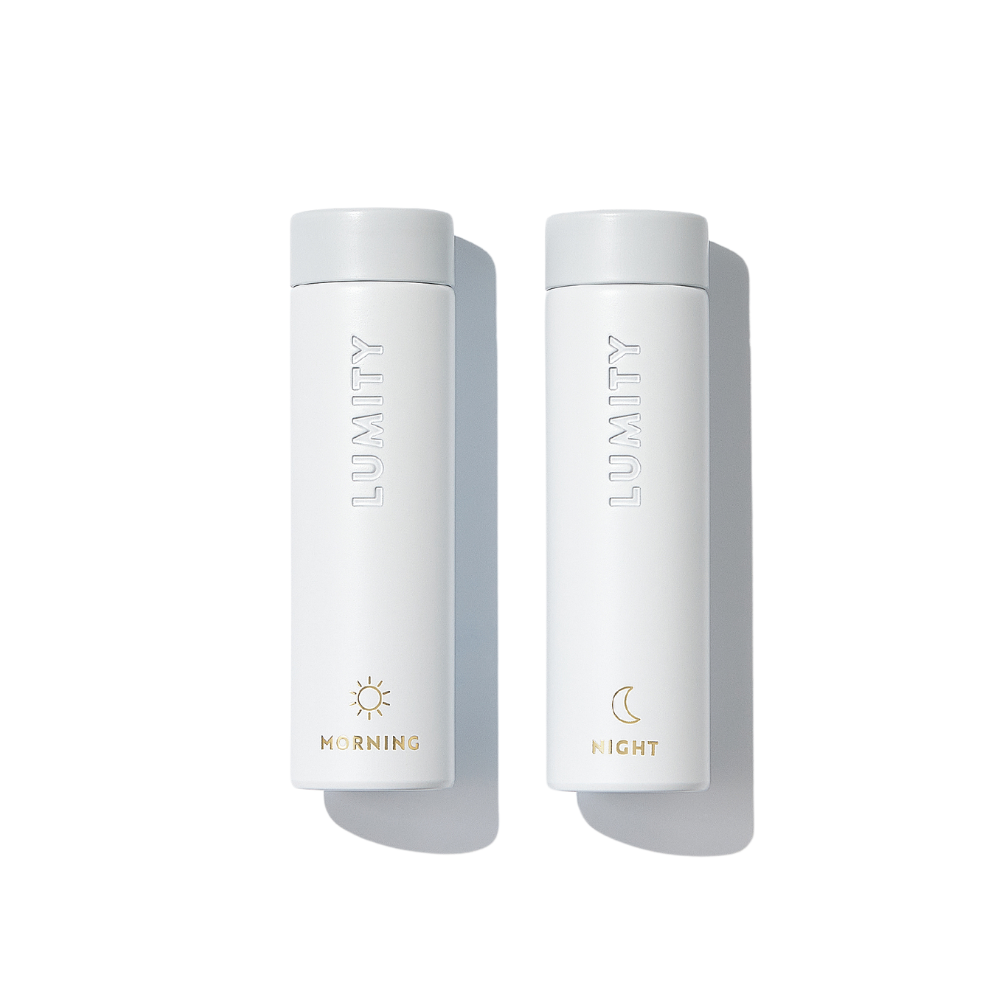
Our clinically tested Morning & Night supplement offers proven results to health. In our independent clinical trial, 84% reported that they had more energy, better sleep and fewer instances of waking up throughout the night with the support of Morning & Night.
Clear the Fog: Supporting Cognitive Function
“Why can’t I think straight?”
If you’ve been forgetting words, losing your keys, or struggling to concentrate at work, you’re not alone. So-called ‘brain fog’ is a very real complaint during perimenopause. These cognitive blips – memory lapses, difficulty focusing, mental confusion – are believed to stem from hormonal fluctuations (especially lower oestrogen) and, in part, from the sleep disruptions we just discussed. In fact, researchers have found that perimenopausal women commonly report issues like forgetfulness and decreased concentration. It doesn’t help that midlife is often a busy time (juggling work, family, and ageing parents), which can leave anyone mentally overloaded. The result is that you may not feel as sharp or productive as you used to, which can be frustrating and impact your confidence.
Strategies to sharpen your mind
First, address any underlying factors that you can control. Improving your sleep, as discussed, will go a long way – it’s hard for your brain to function optimally if you’re running on empty. Managing stress is also key: chronic stress can impair memory, so techniques like mindfulness or even short midday walks can clear your head. Many women find it helpful to give the brain a “workout” to stay focused – try puzzles, crosswords, or learning a new skill to keep your mind engaged.
On the nutrition side, always ensure you’re feeding your brain what it needs. Healthy fats like omega-3 fatty acids (found in oily fish, flaxseed, and walnuts) are crucial for brain health and have been linked to improved cognitive function in midlife. Antioxidant-rich fruits and veggies support brain cells by reducing oxidative stress. It’s also worth considering supplements designed for energy and focus. Stimulant-based products (think strong coffee or sugary energy drinks) might give a quick boost but often lead to a crash later. A smarter approach is to use supplements that work at the cellular level to improve brain energy metabolism. Our flagship Morning & Night supplement works behind the scenes to deliver results you can see and feel. From supporting skin and sleep to boosting energy and immunity, Morning & Night supports holistic health on a cellular level, with results in just a few weeks.
Finally, be patient and forgiving with yourself as you navigate brain fog. Keep notes or lists if you need reminders, and don’t hesitate to ask for support at work or home when your memory is playing tricks. Remember that these cognitive changes are typically temporary. Menopause specialists reassure that for many women, concentration and memory improve again after the menopausal transition. In the meantime, by proactively supporting your brain health – and addressing sleep and stress – you’re stacking the deck in your favour to think clearly and stay sharp through perimenopause.
Mood Swings and Emotional Wellbeing
The emotional rollercoaster
One minute you’re tearing up at a random TV advert, the next you’re snapping at your partner for leaving a dish in the sink. If this sounds familiar, it’s likely the hormonal ups-and-downs of perimenopause at play. Mood swings, increased anxiety, and even episodes of low mood or depression are well-documented during the menopause transition. In fact, health research finds that women in perimenopause are 2–4 times more likely to experience an episode of major depression compared to pre-menopause. The fluctuation and decline in estrogen can affect neurotransmitters in the brain (like serotonin) that regulate mood, making your emotions feel less stable than before. On top of that, life in your 40s and 50s can be stressful in its own right – caring for family, work responsibilities, perhaps ageing parents – all of which can add to irritability and overwhelm. It’s no surprise so many women say “I don’t feel like myself” during this transition.
Stabilising your mood
Start by recognising that your feelings are valid – there are real physiological changes behind your mood swings. That alone can be reassuring. Next, consider lifestyle adjustments that support mental health. Regular exercise is a proven mood-booster; even a brisk 30-minute walk releases endorphins that can lift your spirits and reduce anxiety. Mind-body practices such as yoga, tai chi, or meditation can help manage stress and have been shown to ease menopause-related anxiety in some women. Staying socially connected is also important – talking with friends or joining a midlife support group (in-person or online) can remind you that you’re not alone in what you’re feeling.
From a nutritional standpoint, one of the best things you can do is ensure you’re getting enough B vitamins. Vitamins B6, B9 (folate), and B12 in particular are essential for producing neurotransmitters like serotonin and dopamine, which regulate mood. A deficiency in these vitamins can exacerbate irritability, fatigue, and low mood. During perimenopause, your body may need extra B-vitamin support to keep those brain chemicals in balance. Incorporating a high-quality daily supplement can cover your bases here. Our flagship Morning & Night supplement offers comprehensive, foundational support with B vitamins (along with vitamin D, omega-3s, amino acids and more) to nourish your body around the clock. It provides Vitamin B6, which helps regulate hormonal activity and supports normal psychological function – both crucial for mood stability. In fact, B6 and B12 are often used in night-time formulas because of their role in supporting sleep and mood regulation, while during the day the full B-complex contributes to steady energy and stress resilience. By taking a supplement that keeps your nutrient levels optimised, you’re giving yourself the tools to handle emotional stresses better. Many women report that after a few weeks on a regimen like Lumity Morning & Night, they feel more even-keeled, less prone to mood swings, and more like ‘themselves’ again – which makes sense given the link between nutrition and neurotransmitters.
Of course, nutrients alone aren’t a magic fix for persistent low mood or mood disorders. If you’re experiencing symptoms of depression or anxiety that interferes with your daily life, talk to your GP. Treatments like therapy or HRT (hormone replacement therapy) or other medications might be recommended in those cases, and you can absolutely continue to use supplements and healthy lifestyle changes alongside medical treatments (with your doctor’s guidance). The goal is to set up a supportive routine – exercise, stress-reduction, and smart supplementation – that fosters emotional balance. Over time, these small daily actions add up. Your mood becomes more stable, you feel more in control, and those around you will likely notice the positive change.
Morning & Night supports whole body health with proven results to mood. In our independent clinical trial, 84% noticed improved mood and emotional balance with the support of Morning & Night.
Fighting Fatigue: Regain Your Energy

Running on empty
Fatigue is another complaint that often creeps in during perimenopause. You might feel bone-tired by mid-afternoon or find that you just don’t have the pep or stamina you used to. This can happen even if you’re sleeping better – fluctuating hormones can directly affect energy levels and metabolism, and years of burning the candle at both ends (a common reality in midlife) can catch up with you. On top of that, the symptoms we’ve discussed (poor sleep, low mood, hot flushes at night) all compound fatigue. It’s hard to leap out of bed feeling energised when you’ve been tossing and turning or experiencing night sweats. The result is many women in their 40s and 50s describe a kind of chronic exhaustion that doesn’t fully go away, making it tough to get through busy days.
Restoring vitality
Just as we prioritised sleep first, we need to prioritise energy recovery next. Start with realistic tweaks to your routine: if you’re able, build short rest breaks into your day – even a 15-minute timeout to put your feet up, stretch, or practice deep breathing can recharge you more than scrolling on your phone will. Regular physical activity might seem counterintuitive when you’re tired, but exercise actually boosts energy in the long run by improving circulation and oxygen flow. The key is moderation: gentle cardio like walking, cycling, or swimming a few times a week can increase your endurance and reduce fatigue over time (plus it helps with mood and sleep). Be sure to stay hydrated and eat balanced meals; blood sugar spikes and crashes from too much sugar can leave you more fatigued, so focus on high-fibre carbs, protein, and healthy fats that provide steady fuel.
Nutrition can play a key role here as well. Certain vitamins and minerals are crucial for the body’s energy-yielding metabolism. For example, Vitamin C, magnesium and iodine all contribute to normal energy release from food and help reduce tiredness and fatigue. If you’re lacking these, it could be dragging you down day-to-day. Again, a comprehensive supplement is an easy way to cover these needs – Morning & Night contains Vitamin C, magnesium and iodine in the right amounts to support your metabolism and fight fatigue. Additionally, iron levels can sometimes dip in perimenopausal women – if you’ve had heavy periods, you might be low on iron, so ask your doctor about a blood test and supplement if needed, since iron is critical for staving off anemia-related fatigue.
Finally, listen to your body. If you’re chronically exhausted, it’s telling you to slow down and prioritise self-care. Sometimes that means saying “no” to optional commitments, asking family members to share the load, or allowing yourself a lazy weekend nap without guilt. By addressing your fatigue with healthy habits and smart supplementation, you’ll gradually rebuild your stamina. Many women find that once they get their sleep and energy back on track, they feel a renewed sense of purpose – that midlife can indeed be a time of vitality and growth, not just powering through.
Long term, sustained energy is best achieved with our foundation Morning & Night supplement. In our independent clinical trial, 84% reported that they had more energy with the support of Morning & Night.
A Foundation for Thriving in Midlife
Perimenopause is a unique journey for every woman, but focusing on the core pillars of wellbeing – sleep, cognitive health, mood, and energy – is a strategy backed by science (and millions of women who are now thriving on the other side of perimenopause). By tackling sleep disturbances first, you give your body and brain the chance to recharge and heal nightly. By clearing brain fog and boosting focus, you stay mentally sharp and confident in your daily life. By smoothing out mood swings and nurturing your emotional health, you regain a sense of balance and control. And by combating fatigue, you restore the vitality that helps you embrace each day with positivity. These areas are deeply interconnected, and improvements in one often benefit the others. It’s no wonder that women who address these priorities often find secondary symptoms – like minor aches, skin changes, or mild weight gain – become easier to manage as well, once the ‘big rocks’ are in place.

Throughout this process, remember that progress takes time. Give any new routine or supplement at least 12 weeks to show effects. The changes can be subtle but meaningful – maybe you’re waking up fewer times at night, or you didn’t snap at your kids during a hectic morning. Celebrate those wins. It’s also important to remain realistic and gentle with yourself. Perimenopause is a natural phase of life, not a problem to be ‘fixed.’ The goal isn’t to eliminate every symptom overnight (unfortunately, no supplement or treatment can promise that), but rather to support your body through the transition so you can feel like yourself again – strong, calm, and clear-minded.
In building your perimenopause toolkit, quality matters. Choose supplements that are backed by science and designed for women’s needs. Lumity’s flagship Morning & Night for Women supplement, for example, was formulated specifically to meet the nutritional needs of women 35+ and has undergone a rigorous clinical trial. In a 12-week independent clinical trial, 84% of women taking Lumity reported having more energy and better sleep, and 88% felt more alert. Those kinds of results reflect how addressing foundational nutrition can yield tangible improvements in how you feel day-to-day. Always check with your healthcare provider if you have any existing conditions or are on medication, to ensure any new supplement routine is appropriate for you.
References
Abbasi, B., Kimiagar, M., Sadeghniiat, K., Shirazi, M.M., Hedayati, M. and Rashidkhani, B. (2012) ‘The effect of magnesium supplementation on primary insomnia in elderly: a double-blind placebo-controlled clinical trial’, Journal of Research in Medical Sciences, 17(12), pp. 1161–1169. Available at: https://www.ncbi.nlm.nih.gov/pmc/articles/PMC3703169/ (Accessed: 4 August 2026).
Dykeman, D. (2020) ‘Segmental uterine aplasia and ipsilateral renal agenesis in a ragdoll cat’, The Canadian Veterinary Journal, 61(4), pp. 424–426. Available at: https://www.ncbi.nlm.nih.gov/pmc/articles/PMC7074123/ (Accessed: 4 August 2026).
Mahzarnia, A., Lutz, M.W. and Badea, A. (2024) ‘A continuous extension of gene set enrichment analysis using the likelihood ratio test statistics identifies vascular endothelial growth factor as a candidate pathway for Alzheimer’s disease via ITGA5’, Journal of Alzheimer’s Disease, 97(2), pp. 635–648. Available at: https://www.ncbi.nlm.nih.gov/pmc/articles/PMC10836573/ (Accessed: 4 August 2026).
National Health Service (NHS) (n.d.-a) Benefits of exercise. Available at: https://www.nhs.uk/live-well/exercise/exercise-health-benefits/ (Accessed: 4 August 2026).
National Health Service (NHS) (n.d.-b) Herbal remedies and complementary medicines for menopause symptoms. Available at: https://www.nhs.uk/medicines/hormone-replacement-therapy-hrt/alternatives-to-hormone-replacement-therapy-hrt/herbal-remedies-and-complementary-medicines-for-menopause-symptoms/ (Accessed: 4 August 2026).
National Health Service (NHS) (n.d.-c) Menopause and perimenopause. Available at: https://www.nhs.uk/conditions/menopause/ (Accessed: 4 August 2026).
National Health Service (NHS) (2026a) Symptoms of menopause and perimenopause. Available at: https://www.nhs.uk/conditions/menopause/symptoms/ (Accessed: 4 August 2026).
National Health Service (NHS) (2026b) Things you can do to help menopause and perimenopause symptoms. Available at: https://www.nhs.uk/conditions/menopause/things-you-can-do/ (Accessed: 4 August 2026).
National Health Service (NHS) (2020) Vitamins and minerals: vitamin C. Available at: https://www.nhs.uk/conditions/vitamins-and-minerals/vitamin-c/ (Accessed: 4 August 2026).
National Institute for Health and Care Excellence (NICE) (2024) Menopause: identification and management. NICE guideline NG23. Available at: https://www.nice.org.uk/guidance/ng23 (Accessed: 4 August 2026).
National Institutes of Health, Office of Dietary Supplements (NIH ODS) (n.d.) Vitamin B6: fact sheet for health professionals. Available at: https://ods.od.nih.gov/factsheets/VitaminB6-HealthProfessional/ (Accessed: 4 August 2026).
Newson, L. (2025) Sleep and hormones. Available at: https://www.balance-menopause.com/menopause-library/sleep-and-the-menopause/ (Accessed: 4 August 2026).
*Lumity commissioned an independent, placebo-controlled, double-blind clinical study conducted on 50 women aged 35-65 over 12 weeks. Results were recorded at 0, 4, 8 and 12 weeks. By week 4, there was 'statistically significant preference for the supplement over the placebo'.
Read more

If You Don't Have Time to Think About Wellness, This Is for You
If you’re feeling burned out by the demands of modern life, you’re not alone. There is a particular kind of exhaustion that most of us feel, and it has nothing to do with sleep – it’s the exhaustio...
Read more
New Season, New Routines: Pilates Specialist, Jo Tuffrey, on the Autumn Reset
When the long, unstructured days of summer give way to back-to-school and back-to-work routines, many of us (consciously or not) find ourselves thinking about what we want the next season to look l...
Read more