



Article: Anti-Inflammatory Diet Basics: What to Eat, What to Take, and What to Avoid
Anti-Inflammatory Diet Basics: What to Eat, What to Take, and What to Avoid
“Anti-inflammatory diet” is best understood as a pattern, not a rigid menu or a promise that one ingredient can switch inflammation off. The most defensible approach is to build meals around vegetables and fruit, beans and lentils, whole grains, nuts and seeds, seafood or other suitable proteins, and unsaturated fats, while eating less heavily processed food, added sugar, refined carbohydrates, excess sodium, frequent processed meats, and alcohol.
Thinking in patterns matters for healthy aging because daily food choices can support overall health without turning normal inflammation into a diagnosis. Acute inflammation is a normal, short-term part of the body’s response to injury or infection. Persistent inflammation is more complex and cannot be diagnosed, or reliably managed, by internet food lists alone. If you have ongoing symptoms, a health condition, or concerns about inflammation, speak with a qualified health professional rather than trying to treat yourself through diet.
What to eat: build the pattern from plants, protein, and healthy fats
Think in additions before restrictions. The eating pattern emphasized by the American Heart Association’s dietary guidance and the US Dietary Guidelines information is varied, minimally processed, and flexible enough to work across cuisines and budgets. A practical plate might include a generous serving of vegetables, a fruit or whole-grain component, a protein source, and an unsaturated fat.
Useful foundations include:

Omega-3 foods: choose sources, not promises
Omega-3s are one part of a balanced eating pattern, not a shorthand for “anti-inflammatory.” Fatty fish such as salmon, sardines, trout, and herring provide the long-chain omega-3s EPA and DHA. Plant foods such as ground flaxseed, chia seeds, walnuts, and some oils provide ALA. The body can convert ALA to EPA and DHA, but only in limited amounts, so these sources are not interchangeable.
If you eat seafood, choosing it regularly can be a practical way to include EPA and DHA. If you do not eat fish, plant sources still contribute valuable unsaturated fat and fiber; fortified foods or an algae-based product may be options to discuss with a clinician. The NIH notes that omega-3 research varies by outcome and formulation, so avoid treating a supplement label or a food as proof that it will treat inflammation.

What to reduce: realistic swaps beat “good” and “bad” lists
No single food has to be treated as a moral failure. The useful question is what shows up often and what could be replaced. Consider reducing sugar-sweetened drinks, candy and desserts that displace more nourishing foods, heavily refined grains, highly processed packaged foods, frequent processed meats, foods high in saturated fat, excess sodium, and alcohol. The impact of any one choice depends on the overall pattern, portion, frequency, and your personal health context.
Try low-friction swaps: sparkling water or unsweetened tea instead of a sugary drink; oatmeal, brown rice, or whole-grain bread instead of a refined option; nuts or fruit with yogurt instead of a highly processed snack; beans, fish, tofu, or poultry in place of processed meat; and olive oil, avocado, or nuts in place of some butter or shortening. You do not need a total dietary overhaul to make the next meal more supportive.
Do you need to avoid gluten, dairy, nightshades, or other foods?
There is no universal list of foods that everyone must eliminate to follow an anti-inflammatory eating pattern. Gluten, dairy, legumes, nightshades, and other categories may be appropriate for some people to limit or avoid because of an allergy, intolerance, diagnosed condition, medication plan, or clear personal trigger. Broad elimination can also make eating less varied and harder to sustain.
If a food consistently causes symptoms, keep a brief record and discuss it with a qualified clinician or registered dietitian rather than removing multiple food groups at once. Diet can support health, but it should not be used to diagnose an allergy, autoimmune condition, digestive disorder, or other medical problem.
What to take: supplements are optional and context-dependent
Supplements can be useful when they address a documented deficiency, a dietary gap, or a specific need identified with a health professional. They are not automatically stronger than food, and dietary supplements are not FDA-approved before sale in the way prescription medicines are. Product quality, dose, formulation, interactions, and your health history all matter.
Be skeptical of claims that a capsule “turns off” inflammation, detoxes the body, or replaces a varied diet. Look for a transparent label, realistic language, and evidence that matches the exact ingredient and formulation, rather than a study of a different product or a broad claim about a nutrient.

Omega-3 supplements: a question of need, not hype
Deciding whether an omega-3 supplement is worth discussing starts with your diet and your reason for considering it. If you rarely eat seafood, first consider whether fortified foods, algae-based products, or other suitable options fit your preferences and nutritional needs. If you review a supplement, check the actual EPA and DHA amounts rather than relying on the total oil listed on the front; fish oil, algae products, and flaxseed oil provide different omega-3s.
Then check the formulation, serving instructions, and how it fits your medications and health history. A qualified health professional can help you weigh the product against your usual food sources and the outcome you care about. Do not use an omega-3 supplement to treat a condition or replace prescribed care.

Turmeric and curcumin: interesting research, limited conclusions
Turmeric is a common food and curcumin is one of its compounds, but a supplement containing curcumin is not the same as seasoning your food. NCCIH describes the evidence as limited and variable, with questions about formulations, absorption, and safety. That is not enough to support broad claims that turmeric or curcumin treats chronic inflammation or a disease.
Some products include absorption-enhancing ingredients or concentrated extracts, which can change their effects and risks. Read the full label rather than assuming that “natural” means risk-free, and do not start a concentrated product simply because it is popular online.

When to ask a health professional before taking a supplement
Check with a qualified health professional before starting or changing a supplement if you are pregnant or breastfeeding, preparing for surgery, taking medication, especially anticoagulants, or managing a medical condition. Also ask before combining several products, because ingredients can overlap and concentrated extracts may interact with medicines or affect bleeding, blood pressure, blood sugar, the liver, or other systems.
Bring the exact product label to the conversation. A clinician or pharmacist can help you weigh the likely benefit against the dose, formulation, side effects, and your personal context. Seek medical care for persistent, severe, or unexplained symptoms rather than trying to solve them with an “anti-inflammatory” protocol.

Can a daily supplement routine complement a better diet?
A supplement routine belongs after the food-first and safety considerations, because it should support a clear nutritional purpose rather than lead the decision. A comprehensive routine can complement improved eating habits when it is chosen thoughtfully and used as directed. It should not be presented as an anti-inflammatory treatment, and it cannot compensate for a low-quality diet, inadequate sleep, or medical care.
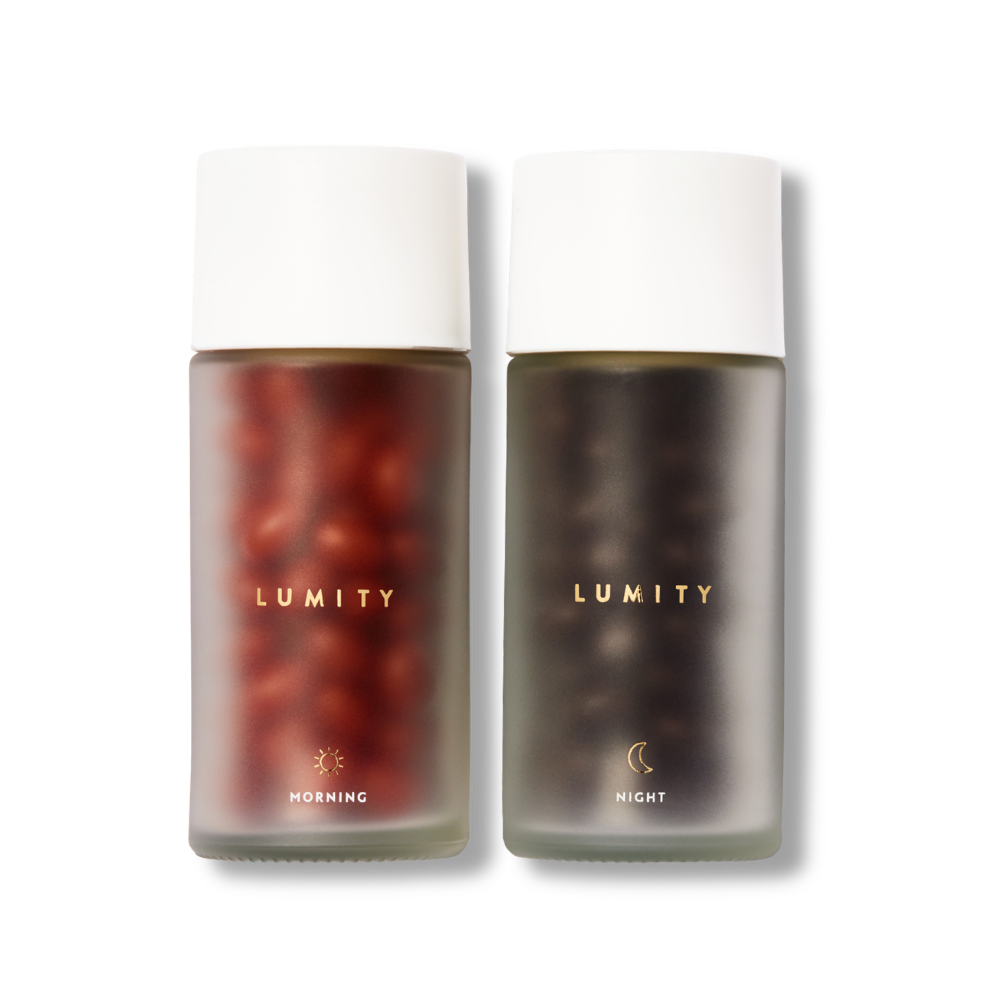
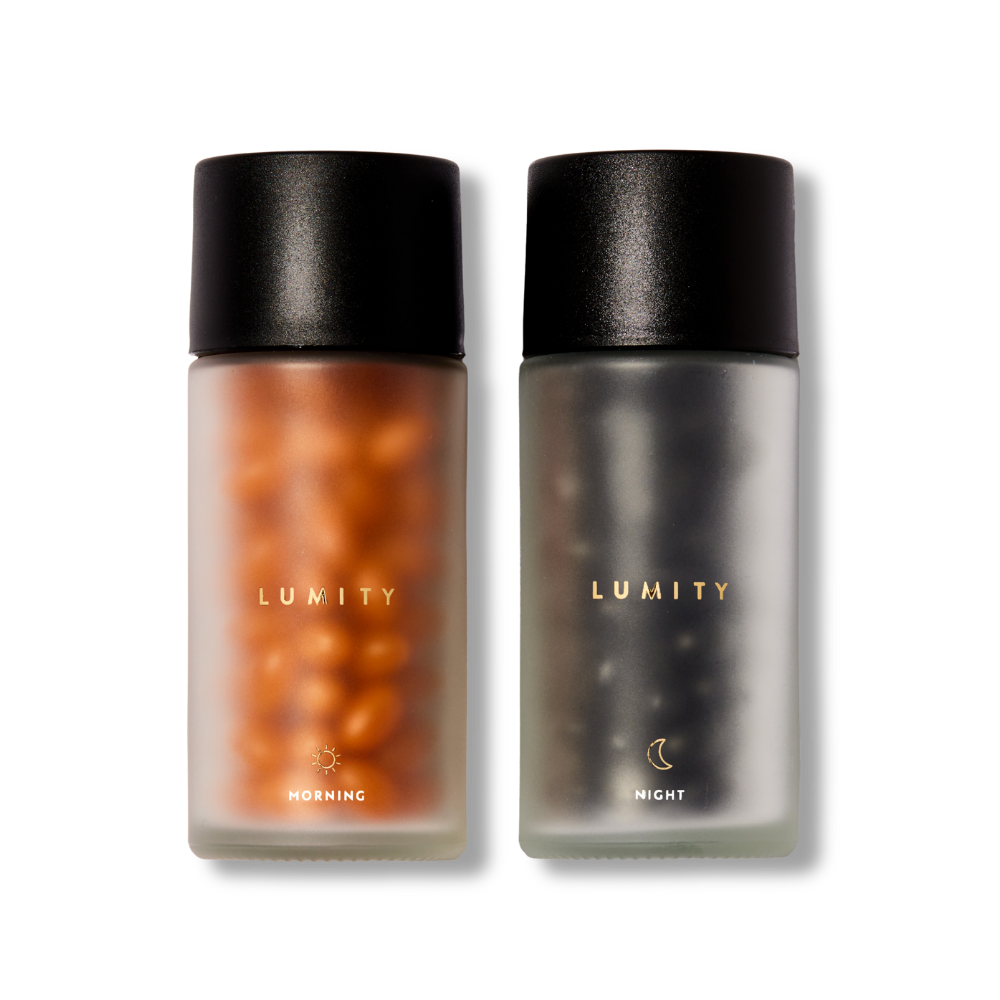
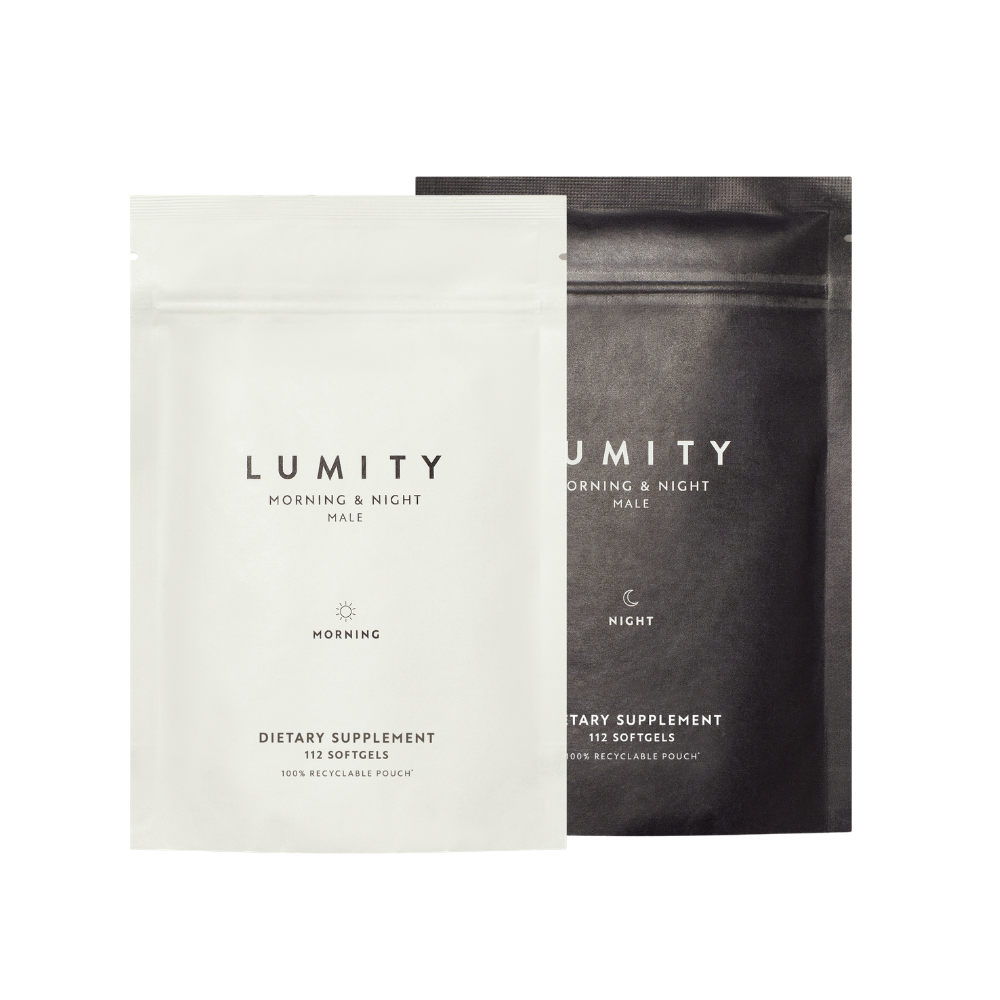
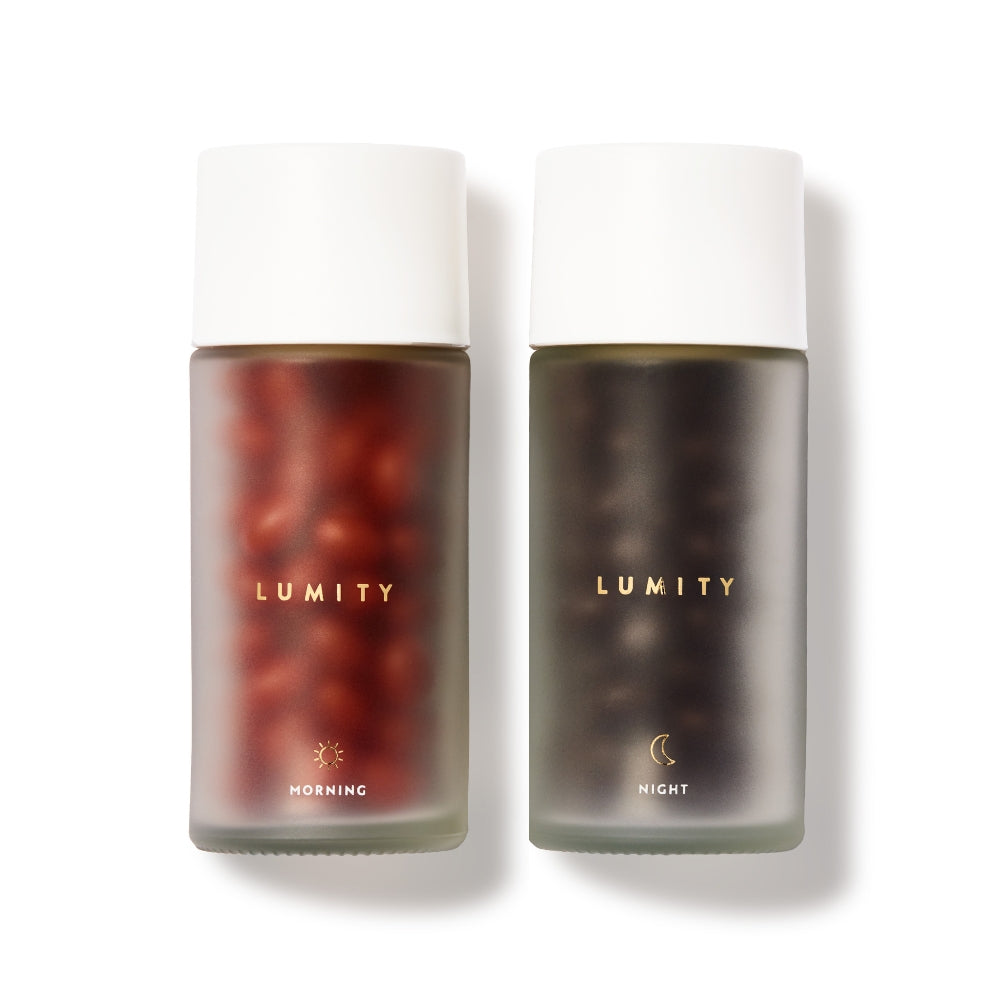
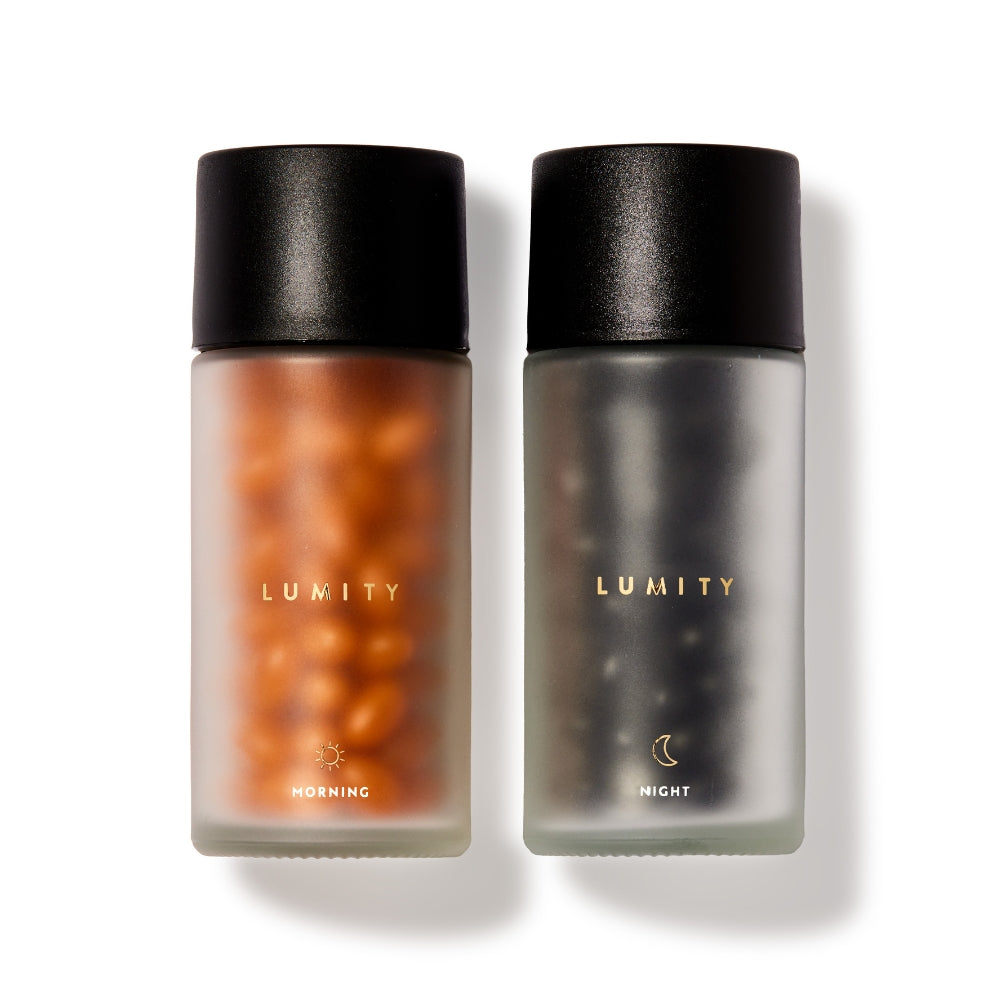
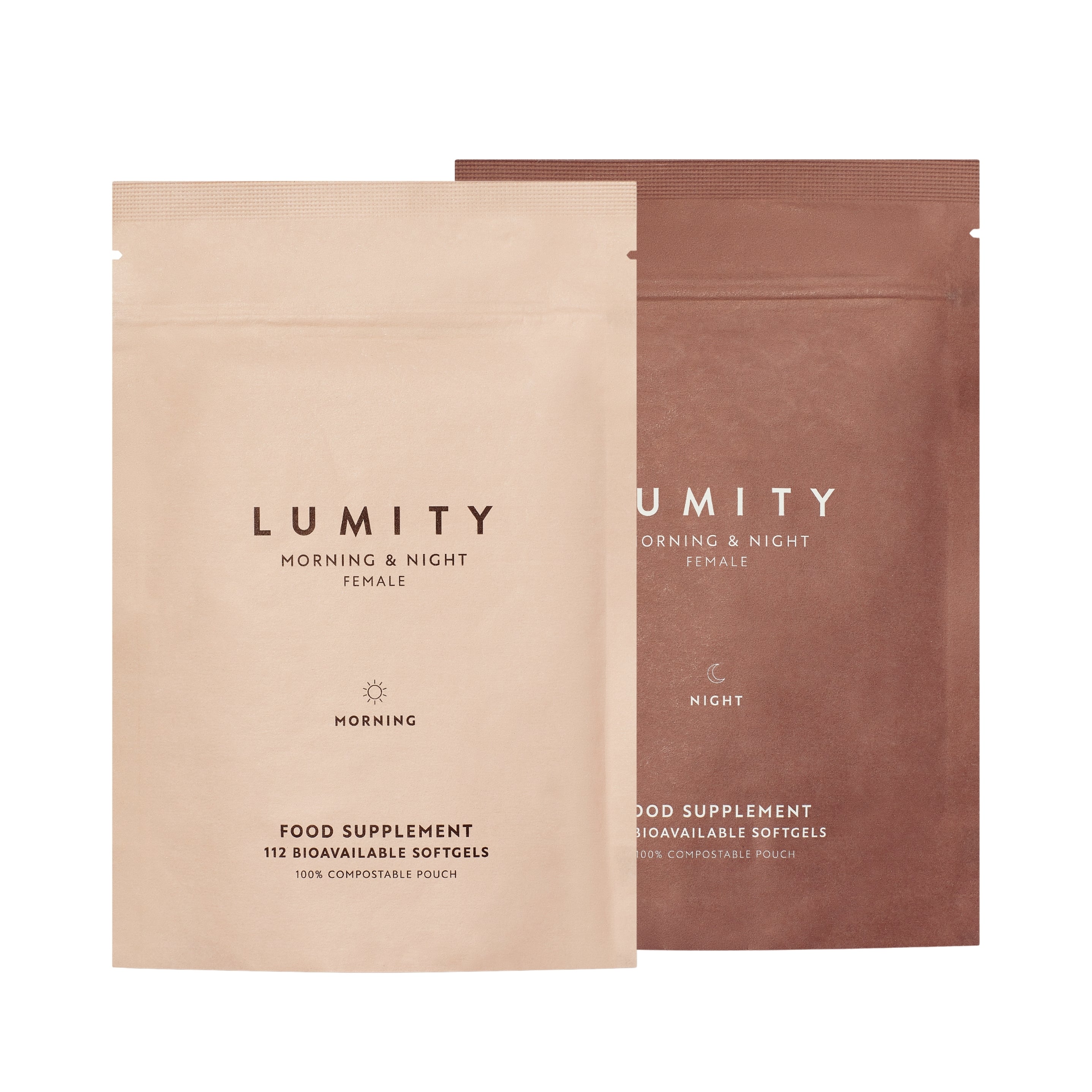
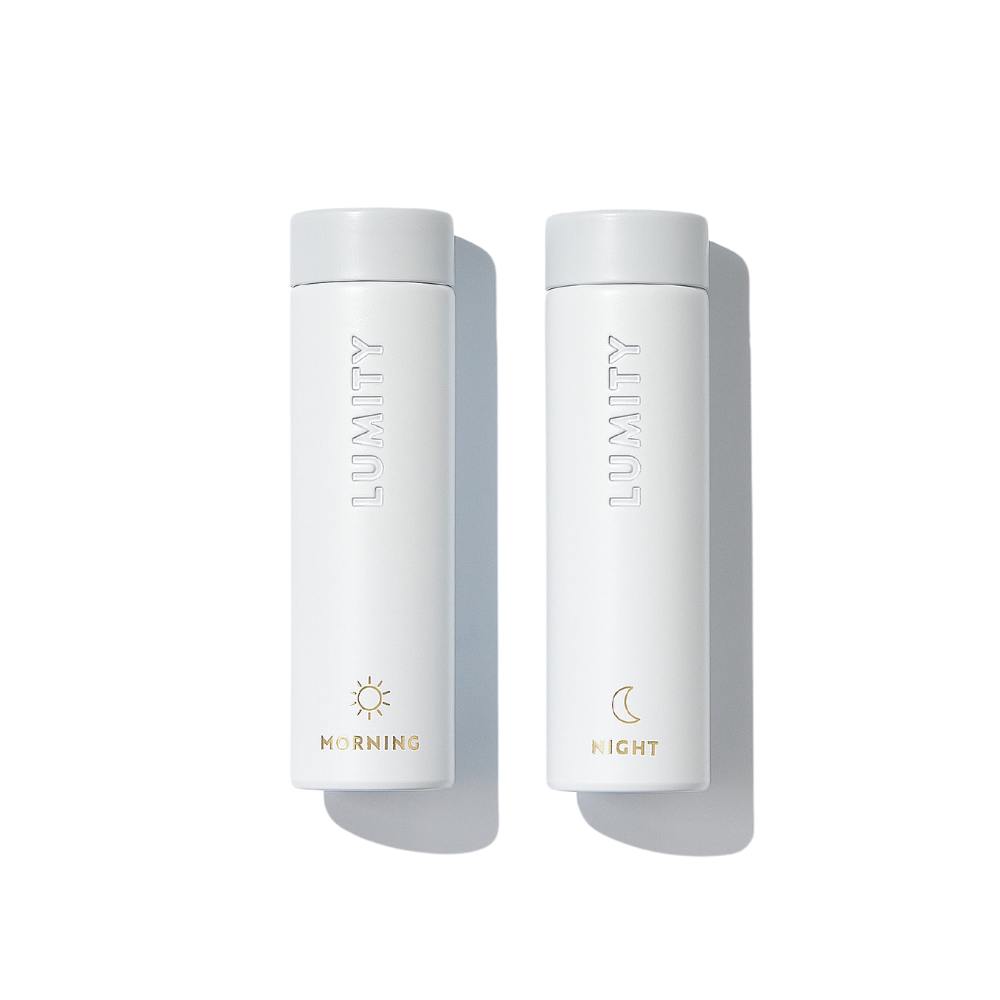
For readers who want a broader nutritional routine, Lumity Morning & Night Female Supplement is a dual morning-and-night routine with vitamins, minerals, amino acids, adaptogens, and omega-3s. It is general nutritional support, not a treatment for inflammation, and it does not replace a varied diet or advice from your health professional. Check the current label and your personal suitability before use.


A simple first step
Keep your usual meals and make one upgrade: add a vegetable, fruit, beans, or whole grain; choose an unsaturated fat; and replace one sugary drink or ultra-processed snack. Repeat the change often before adding another.
Frequently asked questions
What does an anti-inflammatory diet mean? An anti-inflammatory diet is an overall pattern built around varied, minimally processed foods such as vegetables, fruit, beans, whole grains, nuts, seeds, seafood or other suitable proteins, and unsaturated fats. It is a food-first approach, not a detox, cure, or rigid elimination diet.
What are the best anti-inflammatory foods? There is no single best food. Start with foods you can eat consistently: colorful vegetables and fruit, beans and lentils, whole grains, nuts and seeds, seafood, and unsaturated fats such as olive oil and avocado. Variety and the overall pattern matter more than a superfood list.
What foods should I avoid? Focus on reducing, rather than universally banning, sugar-sweetened drinks, heavily refined and highly processed foods, frequent processed meats, excess sodium, excess saturated fat, and alcohol. Individual allergies, intolerances, medical diets, and symptom triggers need personalized guidance.
Do omega-3 supplements reduce inflammation? The evidence is not a universal yes. Omega-3 supplements differ in their EPA and DHA content, dose, and formulation, and findings depend on the health outcome being studied. Food sources and supplements should not be treated as interchangeable or as a treatment for a condition.
Is turmeric or curcumin worth taking? Turmeric in food can be part of a varied diet, but concentrated curcumin supplements have limited and variable evidence, and products differ in absorption and safety. Do not use them to treat chronic inflammation or disease, and ask a health professional before taking a concentrated product.
When might a supplement be worth discussing? Consider a conversation with a qualified health professional when you have a documented deficiency, a dietary gap, limited access to relevant food sources, or questions about medication and health-history risks. Ask before starting or changing a supplement if you are pregnant or breastfeeding, preparing for surgery, taking medication, or managing a medical condition.
The most credible anti-inflammatory strategy is a repeatable eating pattern: add more plants, fiber-rich foods, healthy fats, and suitable protein; reduce heavily processed foods, sugary drinks, excess sodium, and frequent processed meats or alcohol; and treat supplements as optional tools that require a clear purpose and appropriate safety checks.
Read more

Creatine for women: what the evidence may support
If you are in your 40s or 50s and wondering whether creatine is relevant to you, the most useful answer...
Read moreShop Supplements