




19 June 2026
Best Skin Supplements: The Science-Backed Guide
The skincare supplement market is saturated with promises. Collagen powders, biotin capsules, ceramide complexes are each positioned, with remarkable confidence, as the definitive answer to skin concerns. The science, however, demands a more considered conversation.
Skin is the body's largest organ, and its condition is inextricably tied to systemic biology – cellular turnover, oxidative stress, hormonal fluctuation, circadian rhythm. Topical interventions, however sophisticated, can only address so much. Increasingly, the more compelling research lies not on the surface, but beneath it: in the nutritional and biochemical environment from which healthy skin is built.
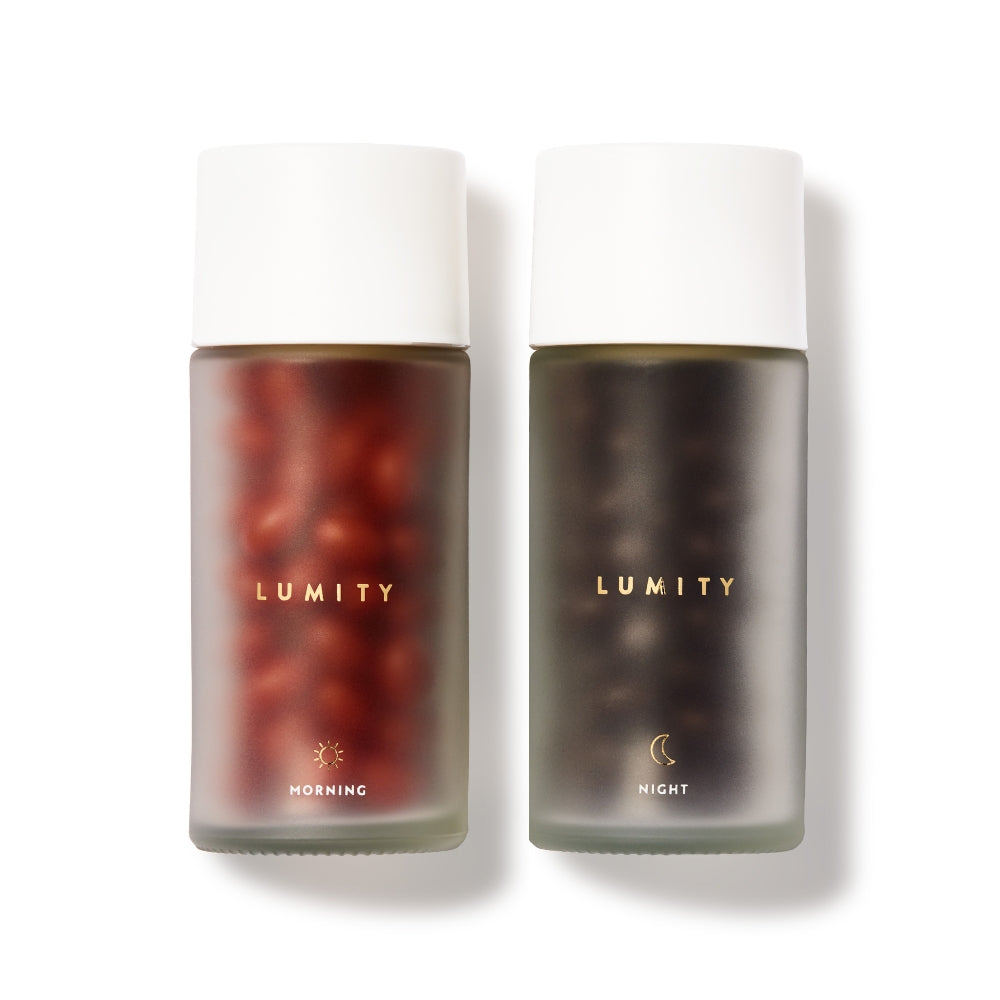
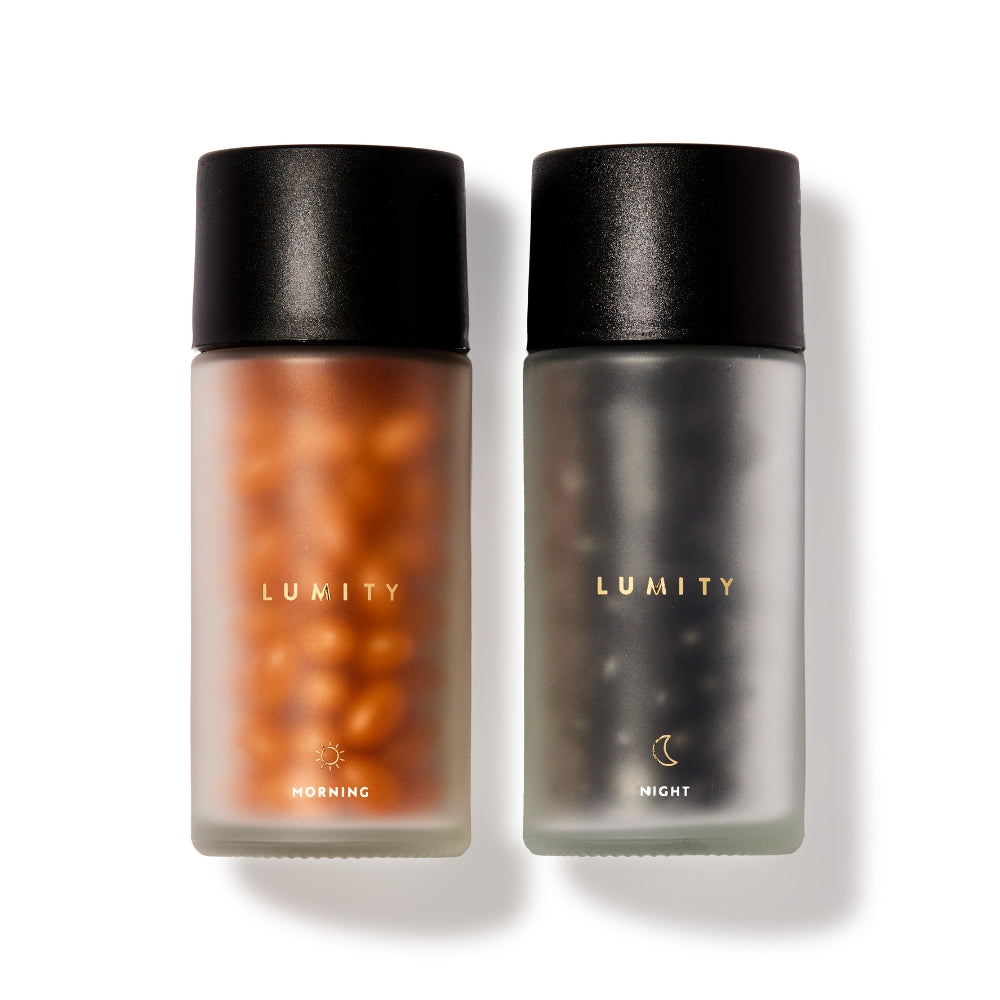
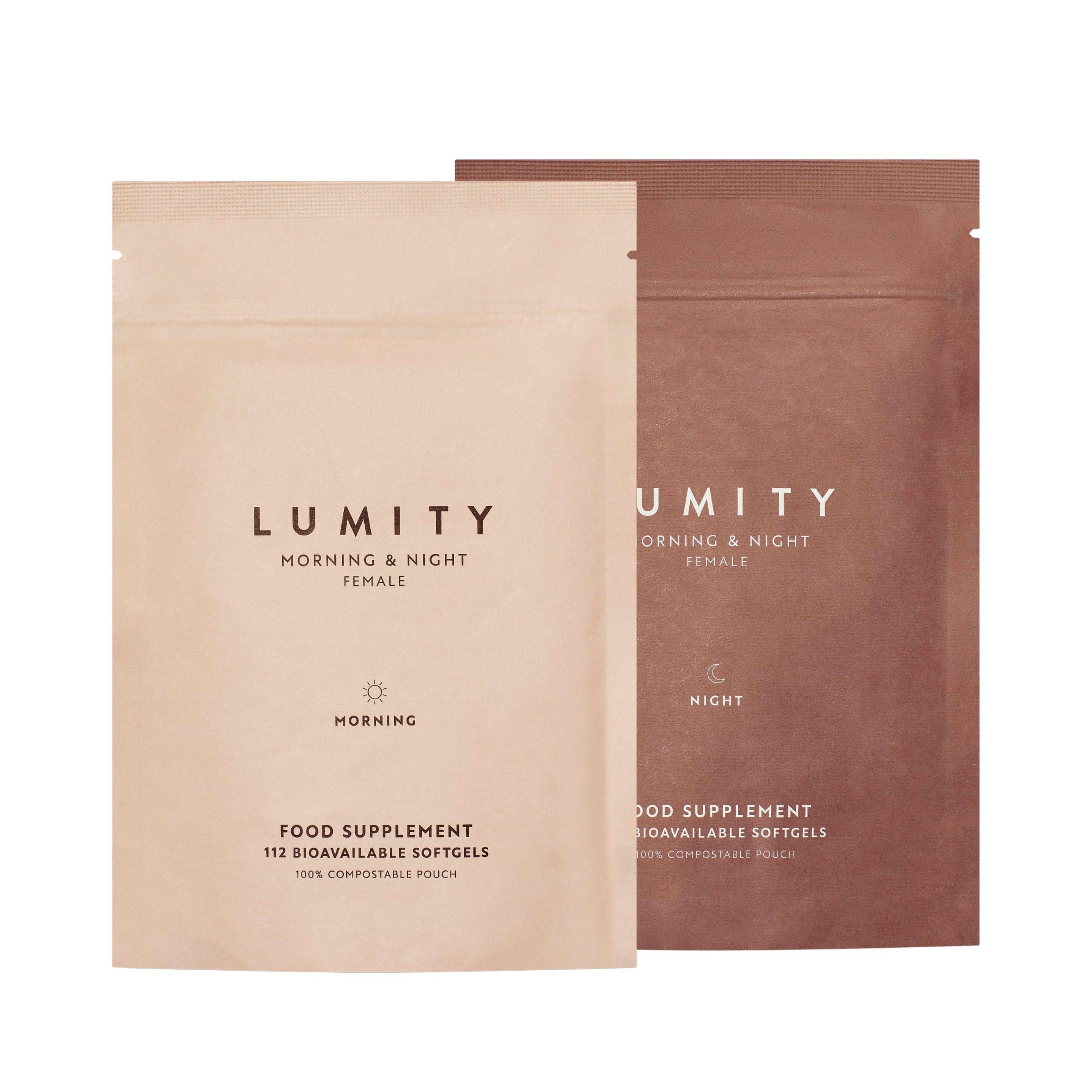
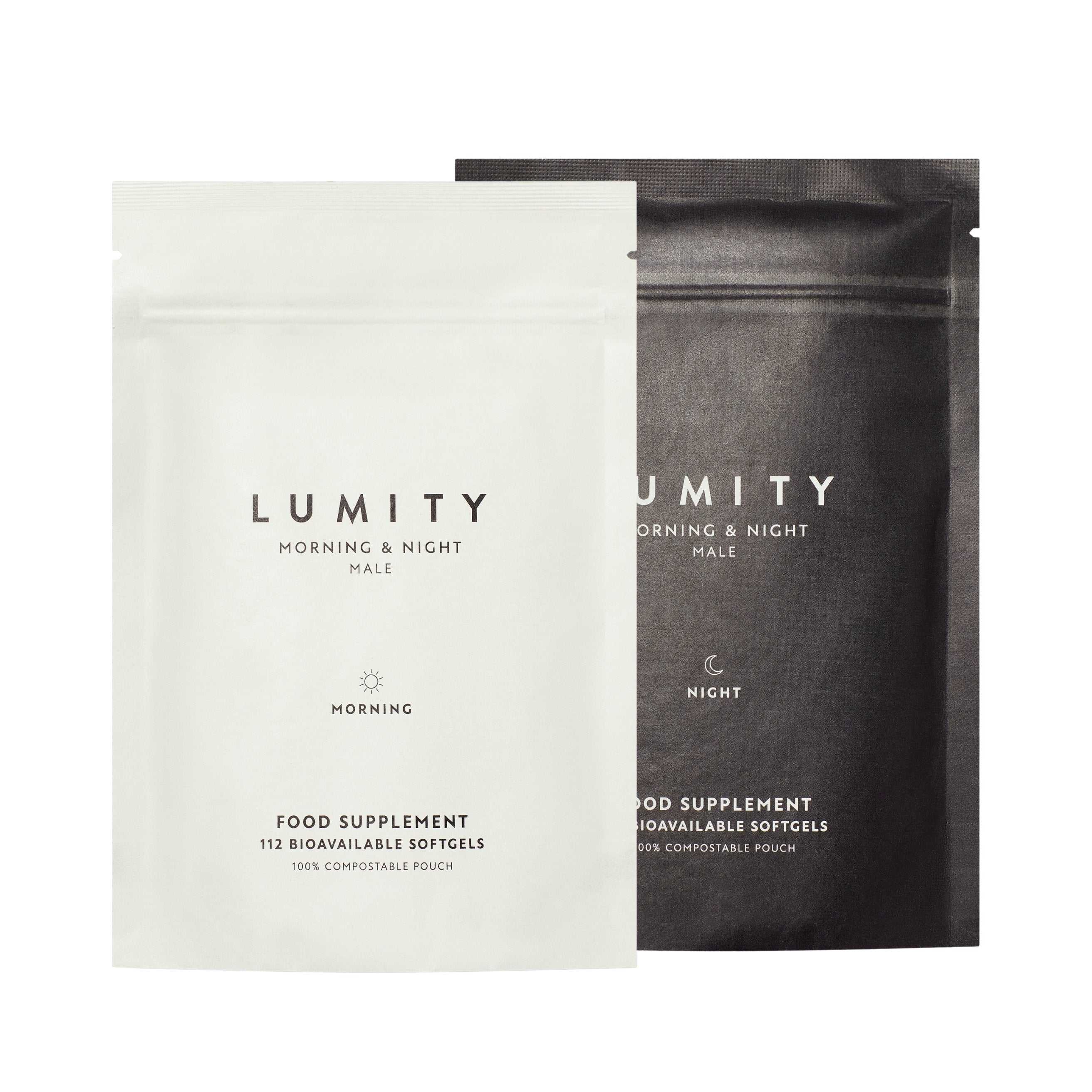
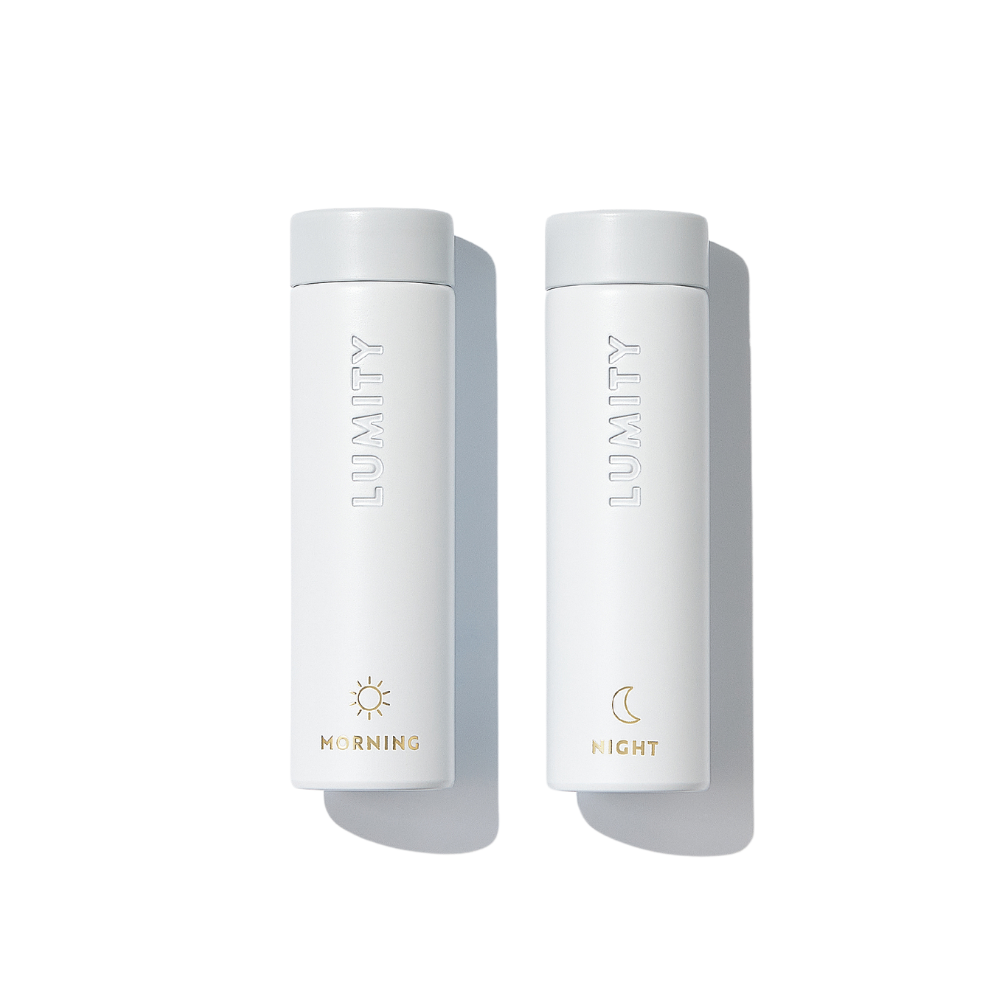
This is the principle that underpins advanced supplementation, and it is precisely what separates evidence-led formulas like our clinically proven Morning & Night supplement from the crowded noise of single-ingredient solutions.
Designed around the body's own circadian biology, Morning & Night’s dual-phase approach works in synchrony with your natural rhythms, delivering targeted nutrition both morning and night to support skin from within.
What Does 'Working' Actually Mean for Skin?

When researchers test oral skincare supplements, they don’t measure ‘glow’. They measure quantitative endpoints such as:
- Skin hydration (often via corneometry)
- Transepidermal water loss (TEWL) — a proxy for barrier integrity
- Elasticity
- Wrinkle depth / roughness
- Inflammatory lesion counts (in acne trials)
These data points matter: if a supplement claims to ‘reverse aging’ but only improves hydration marginally after 12 weeks, those are very different outcomes.
Most credible trials run 8–12 weeks. Anything promising overnight transformation should raise eyebrows. And critically: supplements are adjuncts, working alongside other skincare interventions like sunscreen and retinoids.
Morning & Night lays the foundation for your skincare routine, with 92% of participants in our clinical trial reporting better skin after 12 weeks.*
1. Collagen Peptides – Popular and Promising
Collagen is the headline act of ingestible beauty. Mechanistically, it makes sense: hydrolysed collagen provides amino acids like glycine and proline that support dermal matrix structure.
Several randomised controlled trials (RCTs) report improvements in hydration, elasticity and wrinkle depth after 8–12 weeks. For example, a 12-week placebo-controlled study in women aged 30–60 found that 1,650 mg/day collagen peptides improved skin hydration and elasticity compared with placebo (Food & Function, 2023).
However — and this is where most brand blogs stay quiet — a 2025 meta-analysis in The American Journal of Medicine reviewed 23 RCTs (1,474 participants) and found that when analyses were restricted to high-quality trials or non-industry-funded studies, the effect disappeared. The authors concluded that current evidence does not robustly support collagen supplements for preventing or treating skin aging (AJM, 2025).
So what should a smart shopper do?
- Expect modest improvements in hydration or texture over 8–12 weeks.
- Look for hydrolysed collagen peptides (better absorption than native collagen).
- Demand transparent dosing.
- Avoid fairy-dusted proprietary blends.
2. Oral Ceramides – Barrier Support From Within
Ceramides are lipids essential for maintaining the skin barrier. Reduced ceramide levels are associated with dryness and increased TEWL.
A 12-week randomised trial using milk-derived ceramides (600 mg/day) reported improvements in hydration, elasticity and wrinkle parameters compared with placebo (Journal of Functional Foods).
A broader 2022 systematic review and meta-analysis of dietary supplements for skin moisturising found that oral ceramides significantly improved hydration and reduced TEWL versus placebo (Frontiers in Nutrition, 2022).
For dry, menopausal or barrier-compromised skin, ceramides are one of the more compelling ingestible options.
3. Oral Hyaluronic Acid – Hydration & Texture
Hyaluronic acid (HA) binds water — up to 1,000 times its weight. While it’s famous in topical serums, oral HA is gaining traction.
A 12-week placebo-controlled trial administering 120 mg/day of HA found improvements in wrinkles and skin hydration compared with placebo (Nutrients, 2021). Newer trials using HA “matrix” systems (HA combined with other glycosaminoglycans) report improvements in hydration and smoothness after 12 weeks (Dermatology and Therapy, 2025). Look for:
- Clear dosing (typically 60–120 mg/day in trials)
- Transparency about molecular weight
- Allergen/source disclosure
HA is particularly relevant for individuals concerned with fine lines driven by dehydration rather than deep structural aging.
4. Omega-3 Fatty Acids – Inflammation & Acne Support
Omega-3s (EPA/DHA) exert anti-inflammatory effects. A 10-week double-blind RCT found that 2,000 mg/day EPA+DHA reduced inflammatory acne lesions compared with control (Acta Dermato-Venereologica).
Omega-3s are not standalone acne treatments. But for individuals with inflammatory patterns and suboptimal dietary intake, they may offer adjunctive support.
Packed with 28 biologist-selected nutrients, Morning & Night contains Omega-3s to reduce inflammation and improve whole body health.
5. Nicotinamide (Vitamin B3) — Skin Defence, Not Beauty
One of the strongest oral dermatology trials isn’t about glow – it’s about cancer prevention.
A landmark phase 3 trial published in The New England Journal of Medicine found that 500 mg nicotinamide twice daily reduced new non-melanoma skin cancers by 23% in high-risk individuals (NEJM, 2015).
This is not a cosmetic supplement. But it demonstrates that oral nutrients can meaningfully affect skin outcomes — when used appropriately.
How to Choose the Best Skincare Supplement (The Premium Buyer's Checklist)
This is where premium separates from flashy.

1. Dose Transparency
Compare label doses with those used in clinical trials. If a study used 600 mg ceramides and your supplement contains 20 mg in a proprietary blend, expectations should adjust accordingly.
2. Ingredient Form
- Hydrolysed collagen peptides > native collagen
- Chelated minerals > poorly absorbed salts
- Clearly specified probiotic strains
3. Third-Party Testing & COA
Heavy metals and microbiological contamination are real concerns in supplement manufacturing. Responsible brands provide certificates of analysis and contaminant testing.
4. U.S. Claims Compliance
In the United States, dietary supplements are regulated by the Food and Drug Administration (FDA) under the Dietary Supplement Health and Education Act (DSHEA). Health claims and structure/function claims must comply with FDA regulations, while advertising claims are overseen by the Federal Trade Commission (FTC). Supplements cannot legally claim to diagnose, treat, cure, or prevent diseases unless approved as drugs. If a product makes sweeping, disease-like claims, approach it with caution.
5. Longevity vs Quick Fix
Skin reflects systemic health: sleep quality, inflammation, hormonal balance, micronutrient status.
A formula positioned around long-term resilience — rather than quick glow — is usually more aligned with credible science.
Safety, Stacking & Who Should Be Careful
- Vitamin A: Chronic high intake of preformed vitamin A may affect bone health. The U.S. National Academies and NIH advise that adults should not exceed the Tolerable Upper Intake Level of 3,000 mcg RAE (3 mg RAE) per day from preformed vitamin A without medical supervision. (NIH)
- Biotin: Inform your doctor before blood tests.
- Pregnancy: If you are pregnant or planning to become pregnant, avoid high-dose preformed vitamin A unless advised by your healthcare provider.
- Autoimmune or chronic conditions: Consult a Primary Care Physician.
More is not better. Strategic beats stacked.
Final Verdict – What's Actually Worth Your Money?
If you prioritise evidence over hype, three categories stand out:
- Ceramides for barrier support
- Hyaluronic acid for hydration
- Collagen peptides (with cautious expectations)
- Omega-3s may help inflammatory patterns. Nicotinamide has strong clinical use – in specific populations.
Morning & Night is your answer to better skin. Clinically proven to improve skin hydration and elasticity, Morning & Night combines 28 Vitamins, Minerals, Amino Acids, Adaptogens and Omega-3s in one comprehensive formula.

Frequently Asked Questions
Do skincare supplements really work?
Some ingredients show measurable improvements in hydration and elasticity after 8–12 weeks. We commissioned an independent, placebo-controlled, double-blind clinical study on our proprietary Morning & Night formula, and 92% of participants noted better skin after the 12 week study.
Is collagen worth taking for skin health?
Evidence is mixed, but studies show hydrolysed collagen peptides provide the most benefit. Our NEW Beauty Plus supplement combines hydrolysed collagen peptides with 12 other skin-supporting nutrients for powerful support.
How long do skincare supplements take to work?
While you may notice some benefits after a few weeks, the body needs 12 weeks to fully adjust to any supplement.
Can supplements replace sunscreen?
No. Even carotenoid photoprotection studies do not replace SPF.
Can I combine collagen and hyaluronic acid?
Yes. Many formulations combine them, and mechanisms differ.
References
Acta Dermato-Venereologica Double-blind randomised controlled trial examining the effects of 2,000 mg/day EPA and DHA on inflammatory acne lesions. Available at: https://www.medicaljournals.se/acta/content/abstract/10.2340/00015555-1802
Chen, A.C. et al. (2015) ‘A phase 3 randomised trial of nicotinamide for skin-cancer chemoprevention’, New England Journal of Medicine. Available at: https://www.nejm.org/doi/pdf/10.1056/NEJMoa1506197
Dermatology and Therapy (2025) Clinical trials evaluating hyaluronic acid matrix systems and their effects on skin hydration and smoothness. Available at: https://link.springer.com/article/10.1007/s13555-025-01447-6
Federal Trade Commission (FTC) (2022)Health Products Compliance Guidance. Available at: https://www.ftc.gov/business-guidance/resources/health-products-compliance-guidance
Food & Function (2023) 12-week placebo-controlled study in women aged 30–60 reporting improvements in skin hydration and elasticity following supplementation with 1,650 mg/day collagen peptides. Available at: https://pubs.rsc.org/en/content/articlelanding/2023/fo/d2fo02958h
Frontiers in Nutrition (2022) Systematic review and meta-analysis of dietary supplements for skin moisturising, including oral ceramides. Available at: https://www.frontiersin.org/journals/nutrition/articles/10.3389/fnut.2022.895192/full
Journal of Functional Foods (n.d.) 12-week randomised trial of milk-derived ceramides (600 mg/day) reporting improvements in skin hydration, elasticity and wrinkle parameters. Available at: https://www.sciencedirect.com/science/article/pii/S1756464624000100
National Institutes of Health Office of Dietary Supplements (NIH ODS) (n.d.)Vitamin A – Fact Sheet for Health Professionals. Available at: https://ods.od.nih.gov/factsheets/VitaminA-HealthProfessional/
Nutrients (2021) 12-week placebo-controlled trial investigating oral hyaluronic acid (120 mg/day) and its effects on skin hydration and wrinkles. Available at: https://www.mdpi.com/2072-6643/13/7/2220
The American Journal of Medicine (2025) Meta-analysis of 23 randomised controlled trials (1,474 participants) evaluating collagen supplementation for skin aging. Available at: https://www.sciencedirect.com/science/article/pii/S0002934325002839
U.S. Food and Drug Administration (FDA) (n.d.) Dietary Supplements. Available at: https://www.fda.gov/food/dietary-supplements
U.S. Food and Drug Administration (FDA) (n.d.) Dietary Supplement Health and Education Act (DSHEA). Available at: https://ods.od.nih.gov/About/DSHEA_Wording.aspx
*Lumity commissioned an independent, placebo-controlled, double-blind clinical study conducted on 50 women aged 35-65 over 12 weeks. Results were recorded at 0, 4, 8 and 12 weeks. By week 4, there was 'statistically significant preference for the supplement over the placebo'.
Read more

The Best Supplements for Immune Support: Science-Backed Ingredients vs. Marketing Claims
For busy, health-conscious adults over 35, the most effective "immune support" comes from covering evidence-backed nutrient foundations and adding a few targeted supplements—not from hyped miracle ...
Read more
If You Don't Have Time to Think About Wellness, This Is for You
If you’re feeling burned out by the demands of modern life, you’re not alone. There is a particular kind of exhaustion that most of us feel, and it has nothing to do with sleep – it’s the exhaustio...
Read more