




15 June 2026
The Best Supplements for Immune Support: Science-Backed Ingredients vs. Marketing Claims
For busy, health-conscious adults over 35, the most effective "immune support" comes from covering evidence-backed nutrient foundations and adding a few targeted supplements—not from hyped miracle pills or vague marketing claims.
5 MIN READ
In This Article
If it feels like everyone you know has been ill lately, you're not imagining it: office bugs, school viruses and a post-pandemic focus on respiratory infections mean staying well is increasingly challenging. And the wellness industry complicates matters further – your Instagram feed and pharmacy shelves are packed with sprays, gummies and supplements all promising to boost your immune system overnight.
It's no wonder you're asking questions. Do you actually need any of this? Which supplements are genuinely useful, and which just use clever branding wrapped around cheap ingredients? The truth is that supporting your immune system effectively requires more than isolated nutrients or trendy ingredients – true immune support demands comprehensive nutrition that works with your body's natural daily cycle.
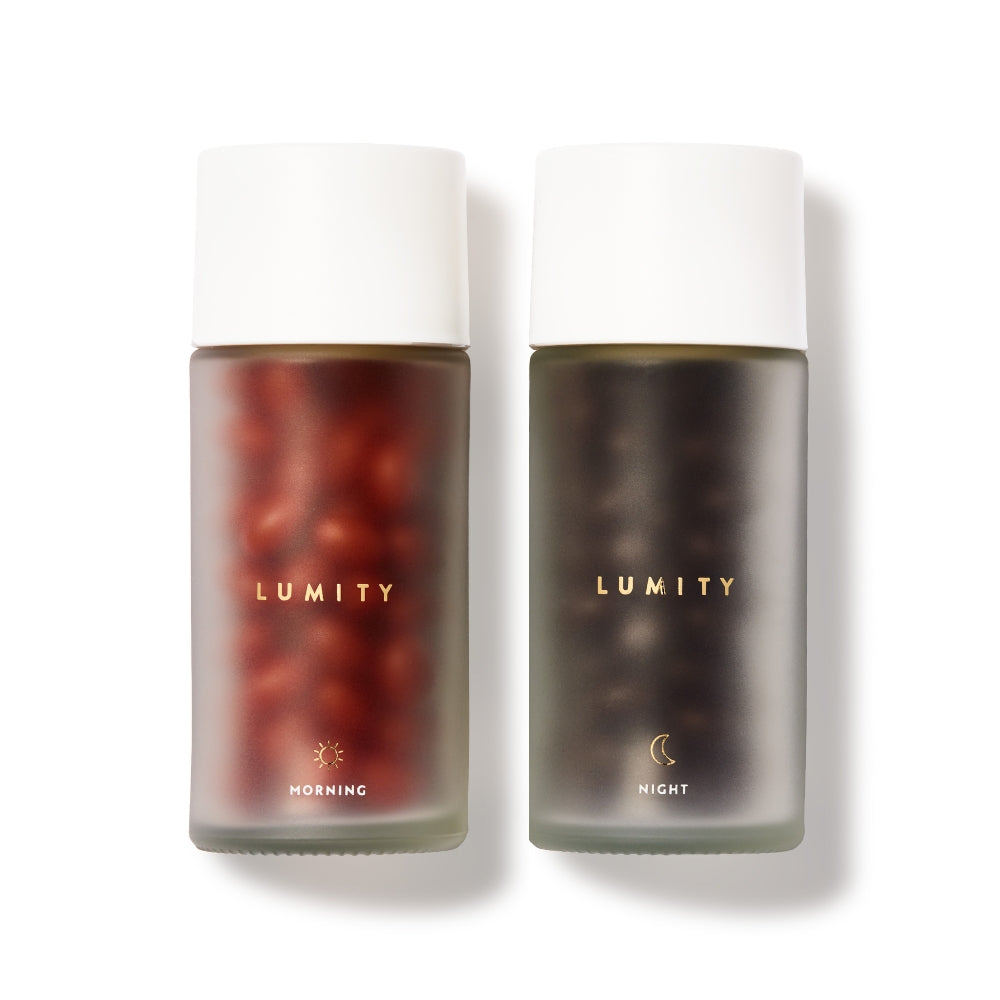
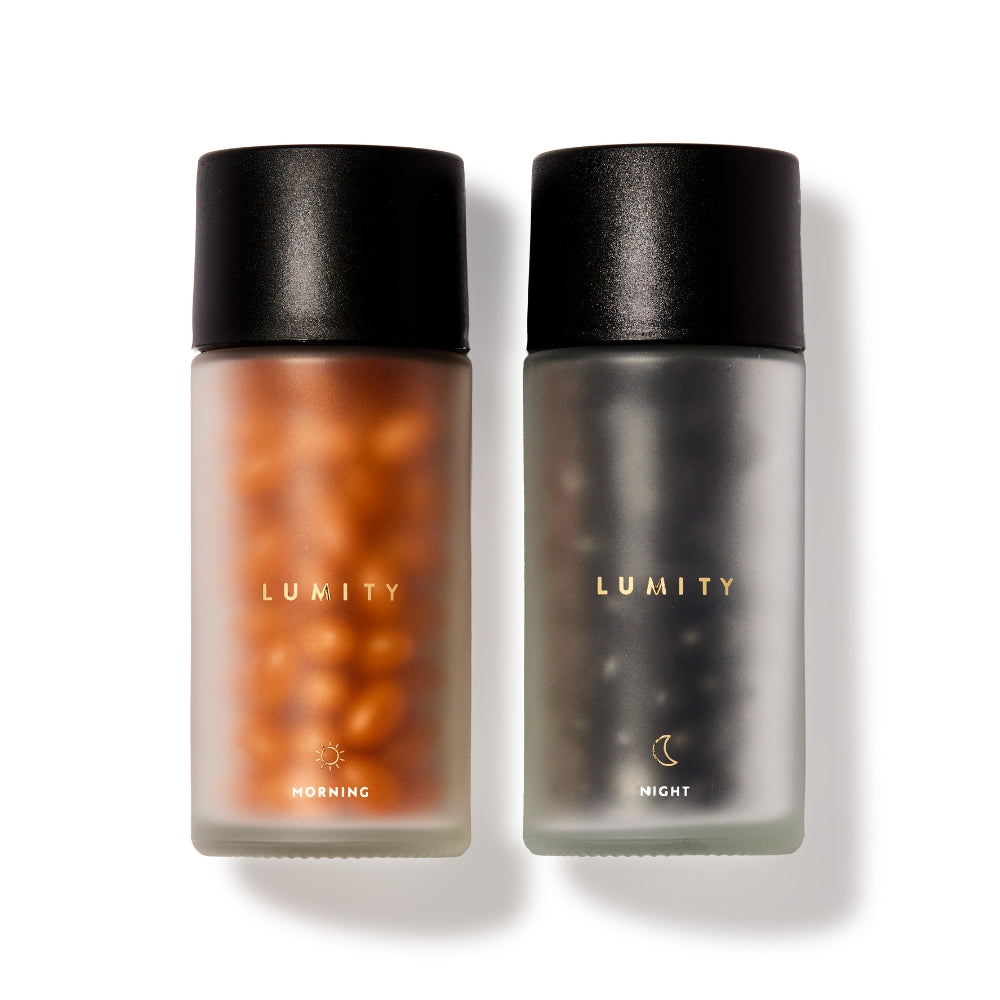
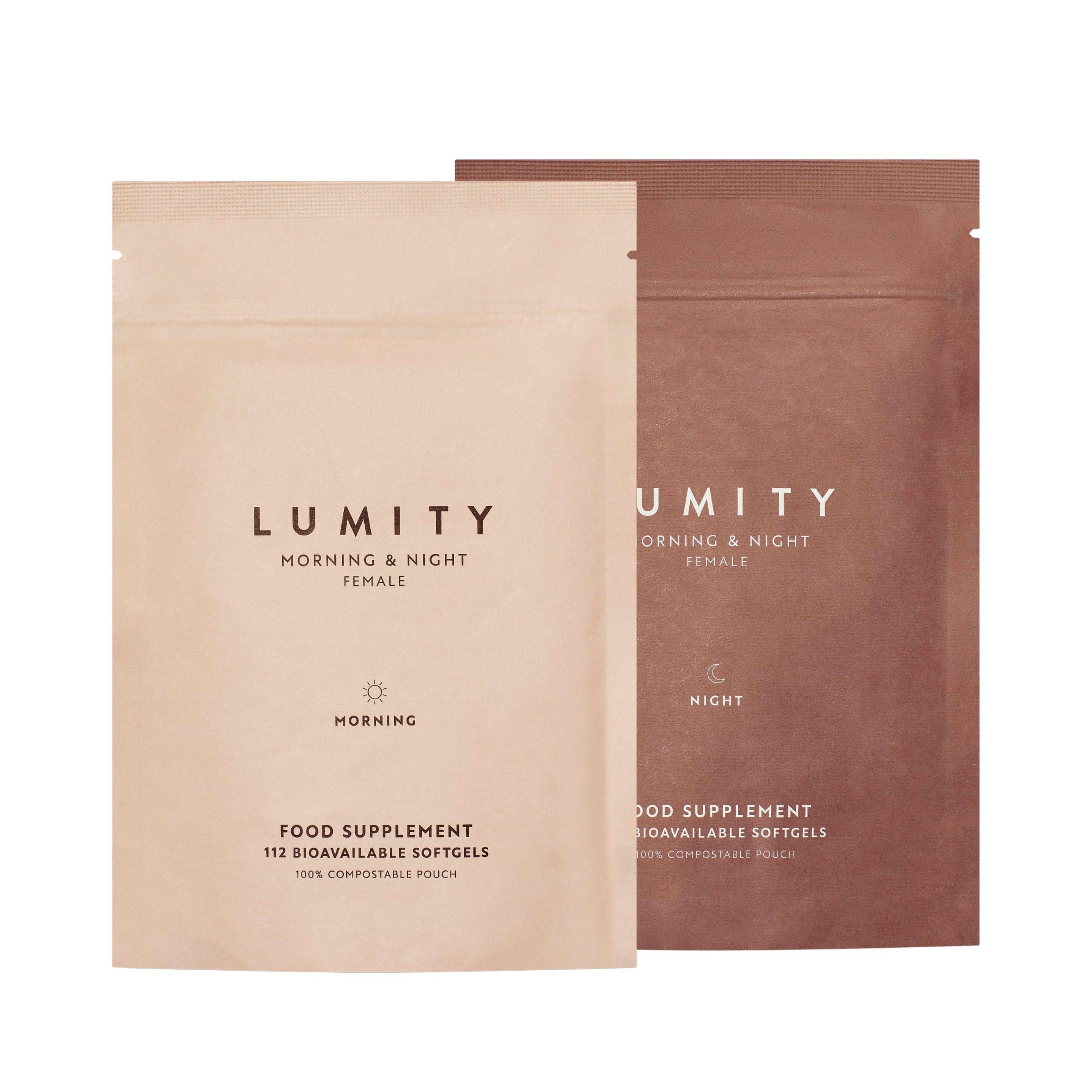
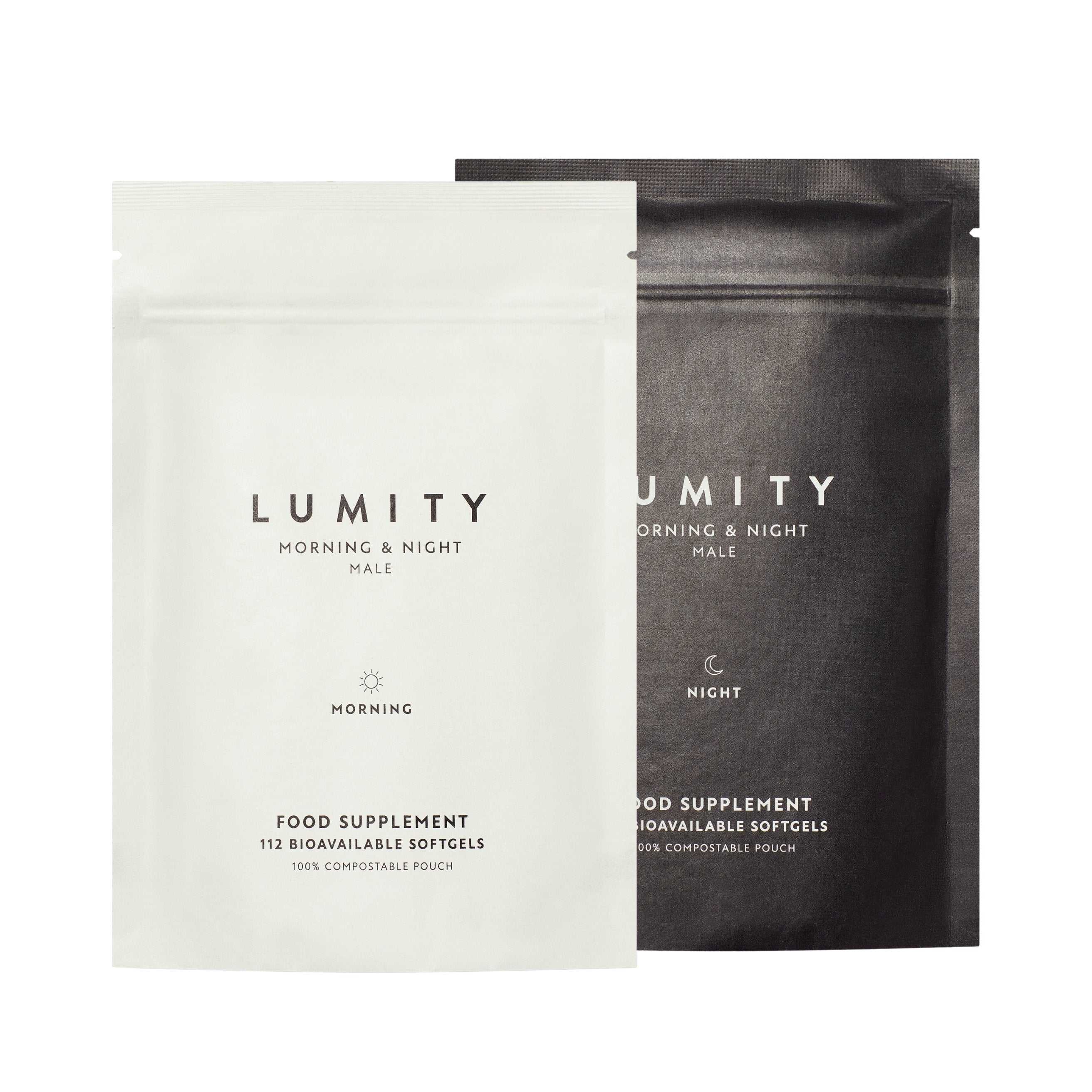
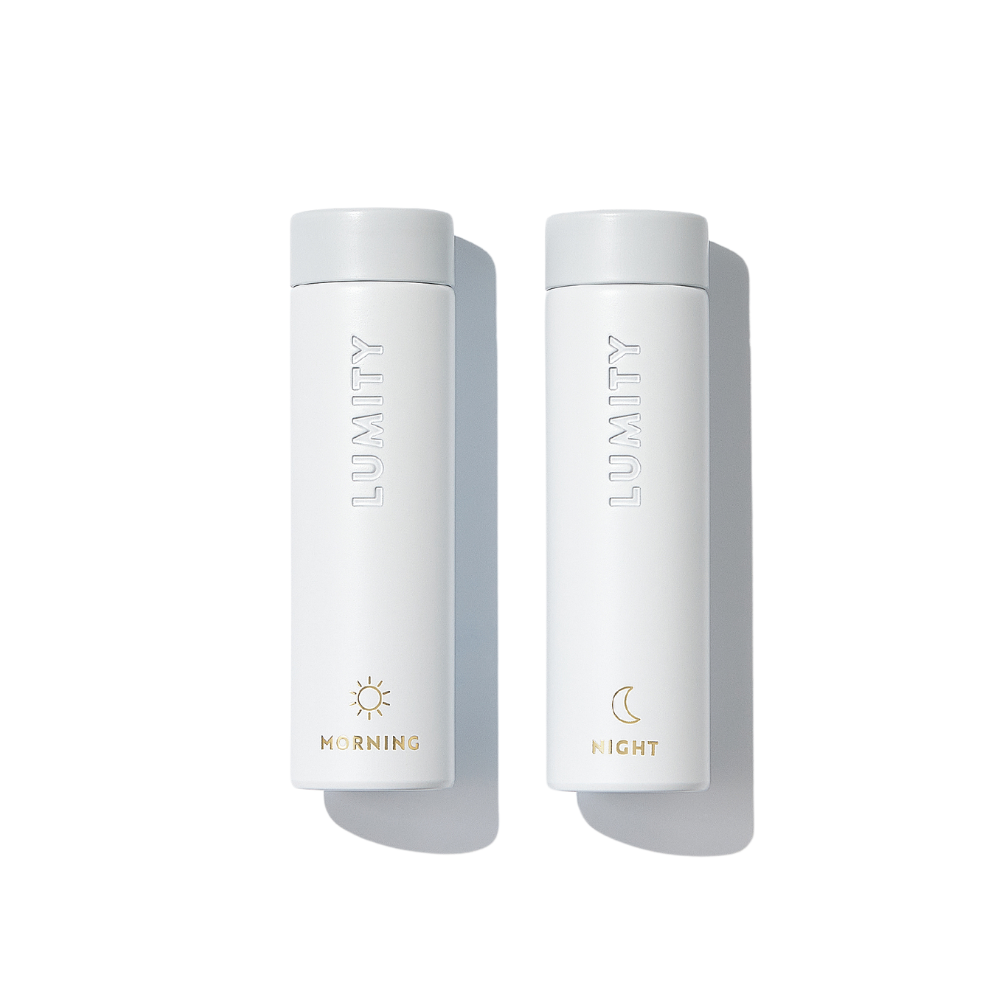
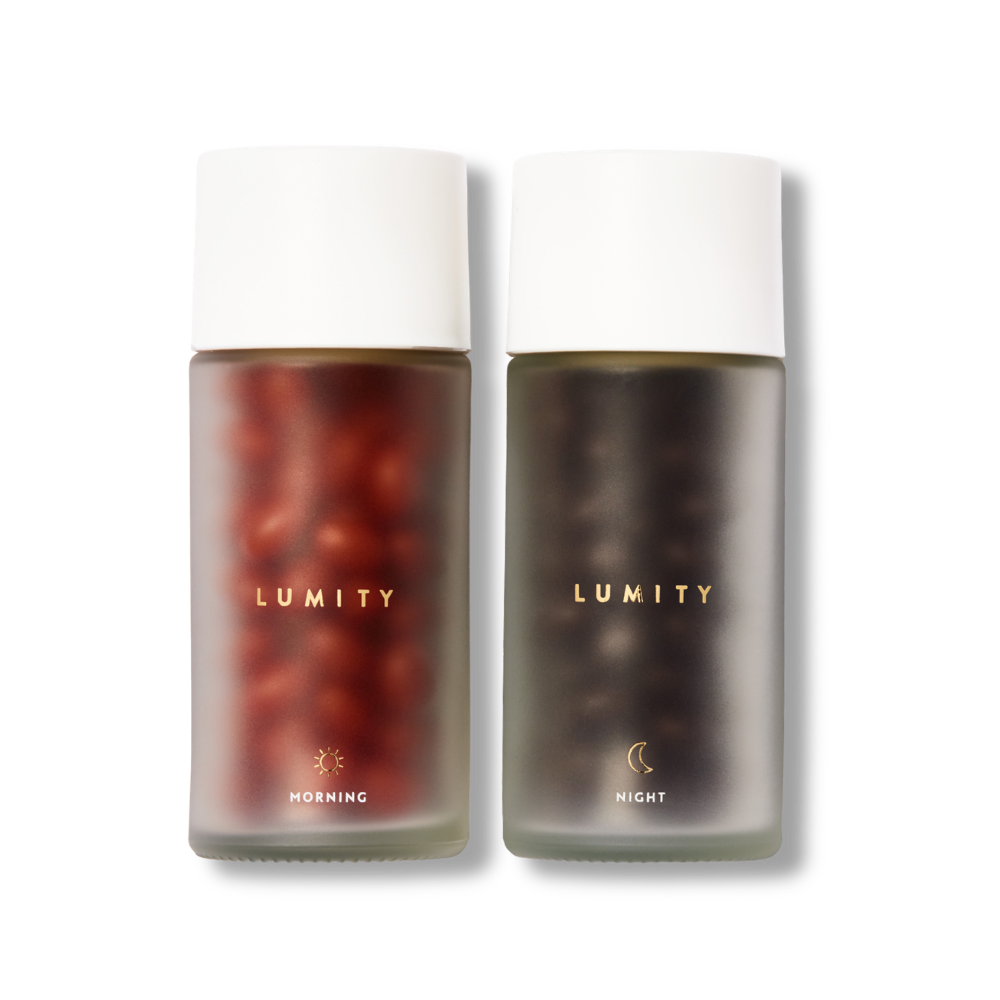
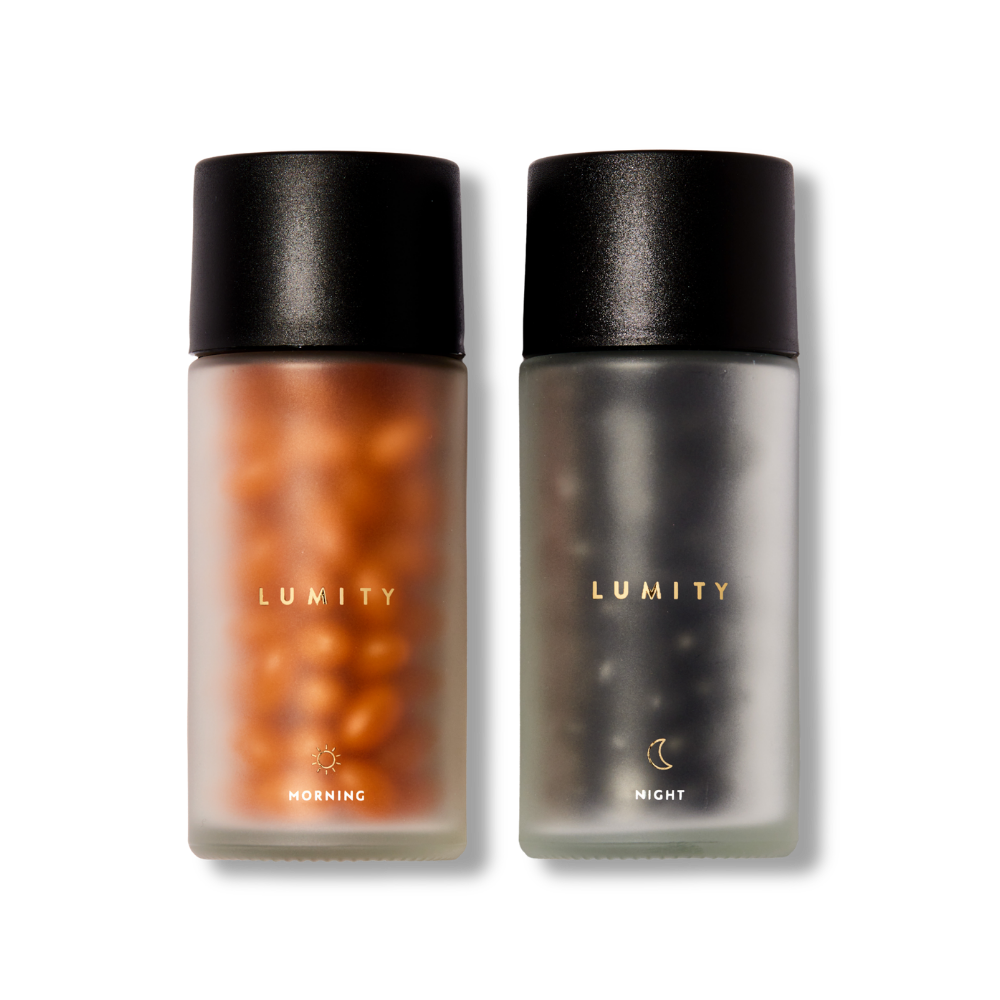
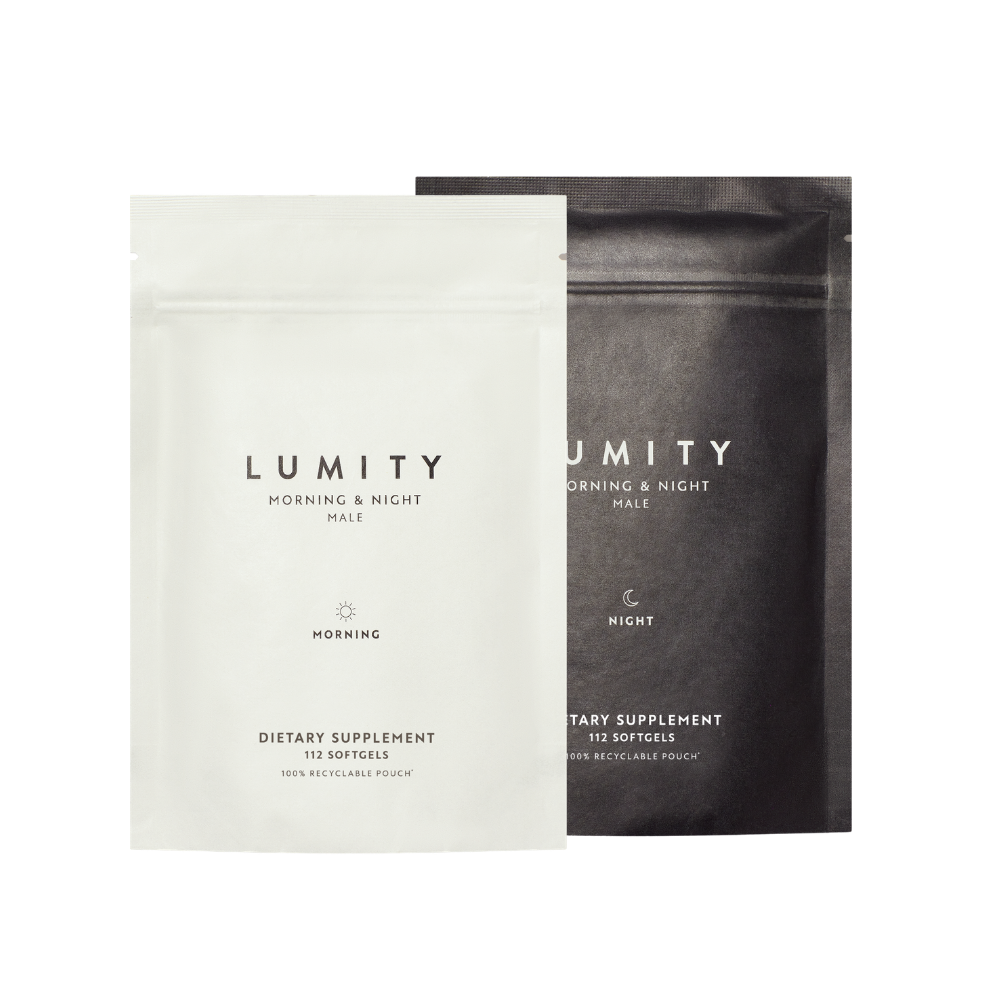
As the brand behind the UK's original and bestselling longevity supplement, we developed Morning & Night to work with your daily circadian rhythm – delivering 28 powerful nutrients for clinically proven results. Explore the science behind Lumity's longevity supplements to learn more about the research, ingredients and formulation philosophy behind Morning & Night.
Why ‘immune support’ is more than a trending topic
A major review in Nutrients found that deficiencies in key micronutrients (vitamins A, C, D, B6, B12, folate, zinc, iron, selenium and copper) impair both innate and adaptive immunity and increase infection risk (Maggini et al., 2018). This became impossible to ignore during the pandemic, when a large meta-analysis in the BMJ showed that vitamin D supplementation modestly reduced acute respiratory infections, particularly in people who were already deficient (Martineau et al., 2017).

Your immune system isn't a single switch you can flip to ‘high’. It's an intricate network of defences working in tandem:
- The innate system – your fast-acting first line of defence, including skin, mucous membranes and non-specific immune cells that respond immediately to threats.
- The adaptive system – slower but smarter, learning from past infections and vaccines to mount increasingly targeted responses over time.
These two arms work together to recognise, respond and remember threats (NIH, NCBI Bookshelf). The goal is balance: an underactive system leaves you vulnerable to every passing bug; an overactive system can trigger allergies and autoimmune disease.
When researchers talk about ‘supporting’ immunity, they're really focusing on two key areas:
- Correcting nutrient gaps that quietly undermine immune function.
- Reducing avoidable strain from poor sleep, chronic stress and ultra-processed diets.
Why it matters even more after 35
By your mid-thirties and forties, you're often running on less sleep, more stress and more convenience food than you'd like to admit. At the same time, immune function naturally shifts with age (a concept known as immunosenescence), and reviews suggest adults often have higher micronutrient needs but poorer nutrient intake (Maggini et al., 2018; McAuliffe et al., 2020). That combination can leave you more vulnerable to common infections. That's why many adults benefit from a comprehensive nutritional foundation designed to support healthy ageing and normal immune function.
Can Supplements Really Boost Your Immune System?
‘Boosting’ vs ‘supporting’ immunity – why the language matters

Because low immune activity can be harmful, it’s easy to assume more is always better. In reality, both extremes can have a negative impact:
- Too little activity leads to more frequent or severe infections.
- Too much activity leads to allergies and autoimmune disease, where the immune system attacks harmless substances or your own tissues (StatPearls – Immune Response).
So claims to ‘supercharge’ or ‘turbo-boost’ immunity are biologically off-base. What you actually want is:
- An immune system with all the nutrients it needs.
- Enough whole body regulation to avoid overreacting.
How much difference can supplements actually make?
A major review in Nutrients shows that even marginal deficiencies in vitamins A, C, D, E, B6, B12, folate, zinc, iron, copper and selenium can impair immune responses and increase infection risk (Gombart et al., 2020). Correcting those shortfalls, especially in adults over 35, can improve immune markers and lower infection risk (Marcos et al., 2021).
Examples:
- Daily vitamin D gave a reduction in acute respiratory infections, with the biggest benefit in people who were very deficient (Martineau et al., 2017).
- Regular vitamin C doesn’t stop most people catching colds, but shortens them by ~8% in adults and ~14% in children (Hemilä & Chalker, 2013).
- Zinc lozenges started within 24 hours can cut cold duration by about a third in trials, but higher doses don’t add benefit and increase side-effect risk (Hemilä, 2017).
Once basic needs are met, megadoses don’t linearly improve immunity – and with nutrients like zinc or fat-soluble vitamins A, D and E, they can backfire.
Immune-supporting nutrients like Vitamin D, Vitamin C and Zinc are all present in our flagship Morning & Night supplement, along with other powerful Vitamins, Minerals, Amino Acids, Adaptogens and Omega 3s for 360-degree immune health support.
The Foundations – essential nutrients your immune system cannot function without
We developed Morning & Night for holistic foundational support – giving your body what it needs to function at its best. If you’re low in the basics, no amount of ‘immune shots’ will bail you out. The immune system relies on a network of micronutrients – especially vitamins A, C, D, E, B6, B12, folate, zinc, iron, copper and selenium – which work together at every stage of the immune response. Even mild deficiencies can impair both innate and adaptive immunity and increase infection risk (Gombart et al., 2020; Maggini et al., 2007). For adults over 35 in the UK, a smart strategy starts with shoring up these fundamentals.
Vitamin D – non-negotiable in the UK climate
From October to early March, UK sunlight is too weak for meaningful vitamin D synthesis, so the NHS advises adults to consider 10 µg (400 IU) daily in autumn and winter. Vitamin D receptors sit on many immune cells, and an individual-participant meta-analysis found supplementation modestly reduced acute respiratory infections, especially in people who were very deficient (Martineau et al., 2017; Jolliffe et al., 2021). Long-term intakes above 100 µg (4,000 IU) should be supervised.
Vitamin C – useful cold support, not a magic shield
Vitamin C supports skin and mucosal barriers and helps white blood cells function properly (Maggini et al., 2007). A Cochrane review found regular vitamin C didn’t significantly reduce how often most people catch colds, but did shorten duration by about 8% in adults and 14% in children and slightly eased symptoms (Hemilä & Chalker, 2013). Around 200–500 mg/day from food plus supplements is usually plenty.
Zinc – small mineral, big impact on infections
Zinc is crucial for the development and function of neutrophils, natural killer cells and T cells; deficiency increases infection risk (Gombart et al., 2020). For colds, zinc lozenges started within 24 hours may shorten duration, but for routine use the aim is a sensible daily intake rather than high-dose supplementation.
Selenium – the quiet defender
Selenium-containing proteins are central to antioxidant defence and immune regulation, including antiviral responses (Sun et al., 2023). UK and European soils are relatively low; intakes have fallen and often sit below recommendations (Stoffaneller & Morse, 2015). Adults are advised to aim for about 75 µg/day (men) and 60 µg/day (women) from foods like brazil nuts, fish, meat and eggs, keeping supplemental intakes well below 350 µg/day to avoid toxicity.
Other must-haves: vitamins A, B6, B12, folate, iron, copper, vitamin E
Vitamin A supports skin and mucosal barriers and normal T- and B-cell function. B6, B12 and folate are essential for DNA synthesis and rapid immune-cell proliferation. Iron deficiency anaemia is associated with impaired immune responses. Copper and vitamin E act as cofactors and antioxidants supporting immune cell function, especially in older adults.
Your immune system doesn’t rely on one ‘hero’ nutrient; it needs this whole cast at adequate levels.
Supplement forms, doses and quality – how to choose products that actually work
Once you know what you want to take, the next step is how: softgels, tablets, capsules, powders, sprays, gummies, liposomal and food-based formulas. It’s easy to overthink this. Here’s a stripped-back way to decide without getting lost in the hype.

Tablets, capsules, powders or softgels?
For most immune nutrients, the main job is simple: get the right dose into your gut, where it can be absorbed.
- Softgels – the most easily absorbed and bioavailable format, and the format used for Morning & Night.
- Tablets – cheap, stable and good for standard multis.
- Capsules – often easier to swallow and better for complex blends than tablets.
- Powders – handy for higher doses or if you dislike pills.
- Gummies/chews – more appealing if you hate tablets and can improve adherence.
Natural vs synthetic – and how to read the label
Food-based or natural doesn’t automatically mean better. Synthetic vitamin C is chemically identical and equally bioavailable to food-derived vitamin C (Carr & Vissers, 2013). For some nutrients, the form does matter – for example, natural d-alpha-tocopherol is better retained than synthetic dl-alpha-tocopherol.
On any immune supplement, look for:
- Clear doses for each nutrient
- No vague proprietary blends
- Sensible forms
- Compliant claims like ‘contributes to normal immune function’ rather than overblown promises
If you can’t quickly answer ‘what am I actually getting, and how much?’, the product is probably designed to impress, not to work.
Why Bioavailability Matters
Not everything you ingest reaches your bloodstream. Bioavailability refers to the proportion of a substance that is able to reach the bloodstream and have an active effect.
- For vitamin C, standard ascorbic acid is already well absorbed. Reviews show synthetic vitamin C and vitamin C from foods have essentially identical bioavailability at the same dose (Carr & Vissers, 2013).
- Liposomal vitamin C – wrapped in tiny fat bubbles – can push levels a bit higher: a recent trial found ~27% higher peak plasma levels and ~20% higher white-cell levels vs non-liposomal vitamin C at the same dose (Purpura et al., 2024).
- For tricky compounds like curcumin (in turmeric), bioavailability is a real constraint. It’s poorly soluble and rapidly metabolised; enhanced formulations (with piperine or phospholipid/nanoparticle carriers) achieve far higher blood levels than plain powder in pharmacokinetic studies (Liu et al., 2020).
- Lumity’s clinically tested Morning & Night formula utilises the most bioavailable forms of ingredients, including:
- Vitamin D3: Highlighted to be more efficacious in improving vitamin D status compared to vitamin D2 (Balachandar et al, 2021).
- Magnesium malate: Organic forms of magnesium are known to be more bioavailable than salt formats, such as magnesium oxide (Uysal et al, 2019). - - 5-MTHF (Folate): With a reported up to 40% of the population having the MTHFR enzyme gene mutation that restricts the ability to convert folic acid to the active form folate, folate has been indicated as a preferred source of vitamin B9 (Moll et al, 2015).

We designed Morning & Night with bioavailability in mind.
Our Chief Nutritionist, Lindsey Ormond, has selected 28 easily absorbed nutrients – all hermetically sealed into an easy-to-digest softgel, the most bioavailable supplement format.
Rule of thumb:
- Standard forms are fine for most vitamins and minerals (vitamin C, B-complex, magnesium, zinc).
- Pay extra for enhanced forms mainly when the ingredient is notoriously hard to absorb (curcumin, certain plant polyphenols) and you can see human data to justify it.
What Brands Can (and Can’t) Claim About Your Immunity
If a UK or USA-based brand says ‘contributes to the normal function of the immune system’ instead of ‘boosts your immunity’, that’s not timidity – that’s compliance.
In Great Britain, supplements are covered by nutrition and health claims rules retained from EU Regulation (EC) No 1924/2006. Any statement linking a nutrient to health is a regulated health claim and must sit on an authorised list.
For immunity, nutrients such as vitamins A, C, D, B6, B12, folate, iron, zinc, copper and selenium all have approved general function claims.
Why you rarely see ‘boosts immunity’ on UK packaging
Regulators allow some flexibility in wording, but not hype. Claims that imply a stronger or drug-like effect can breach the rules. The ASA has also cracked down on ‘immune booster’ marketing, especially where it strays into disease-treatment territory.
How to read immune claims like a pro
- Phrases like ‘[nutrient] contributes to the normal function of the immune system’ are a good sign the product is sticking to the rulebook.
- Vague lines like ‘supports immunity’ only mean something if the product actually contains the relevant nutrient at the right dose.
- Any supplement claiming to prevent colds, fight flu or protect against COVID is straying into medicinal-claim territory.
The upside for you? The ‘boring’ wording is often a green flag, and loud promises of ‘never getting ill again’ are your cue to walk away.
How Lumity Morning & Night Stacks up for Immune Support
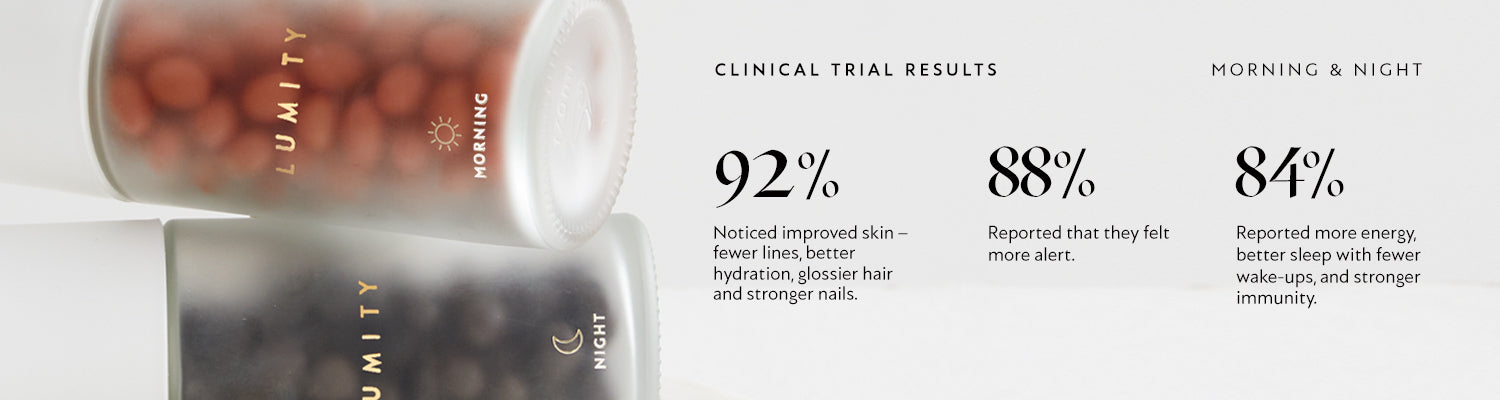
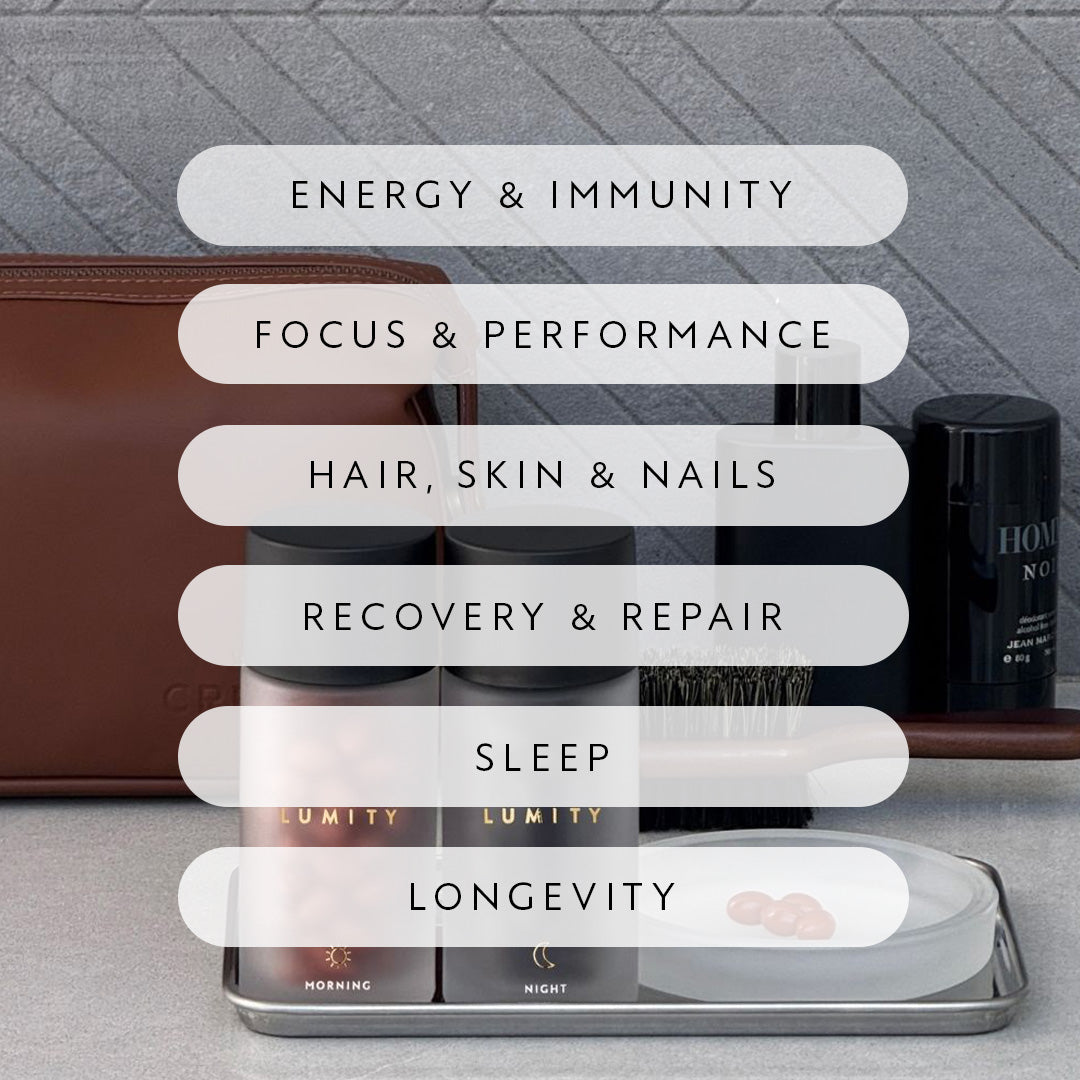
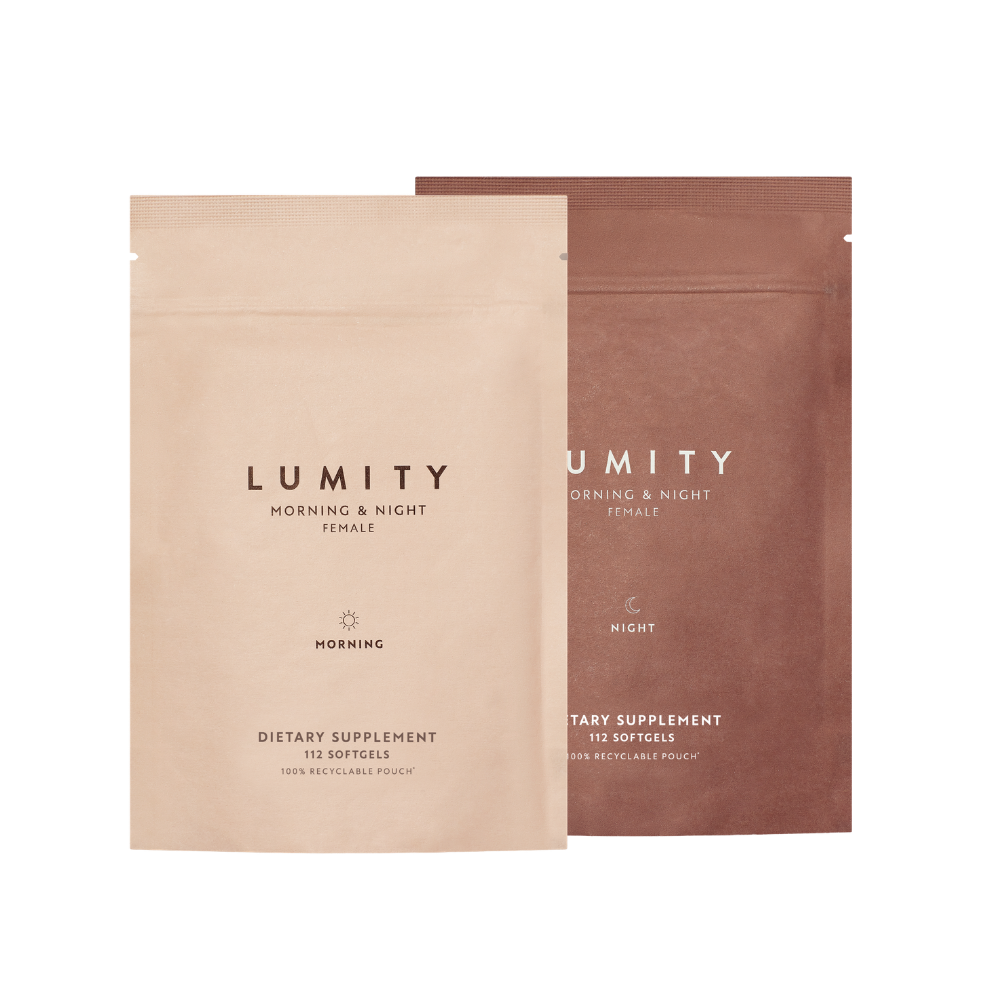
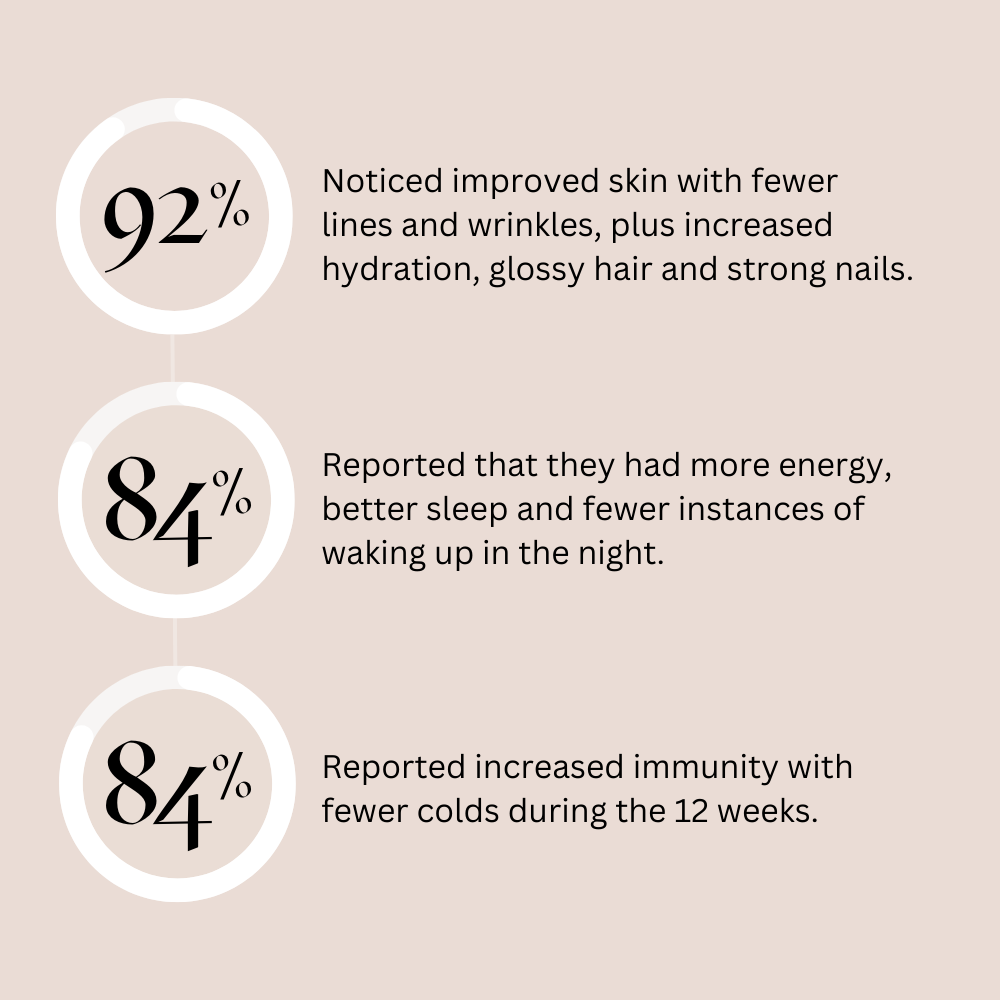
With the theory in place, it’s useful to see how a real-world product measures up. Lumity’s award-winning, clinically tested Morning & Night Supplement is designed as a daily base layer for energy, skin, sleep and healthy ageing – but its formulation also maps closely onto what the research says an immune system needs.
The formulation at a glance
Lumity uses a two-part, 24-hour system that aligns with your circadian rhythm for whole-body health and longevity support:
- Morning softgels: vitamins A, C, D, E, B-vitamins, zinc, selenium, flaxseed-derived omega-3s, turmeric, CoQ10 and amino acids such as glutamine, lysine and arginine.
- Night softgels: additional amino acids including cysteine and glycine, zinc, magnesium and flaxseed oil to support recovery and rest.
In other words, Morning & Night is closer to a curated stack than a basic multivitamin, with clinically proven results that extend beyond immunity to skin, sleep, mood and energy.
How it aligns with the science
A major review in Nutrients highlights that immune competence depends on a network of micronutrients – notably vitamins A, C, D, E, B6, B12, folate, zinc, iron, copper and selenium – working together at every stage of the immune response. Lumity’s morning formula deliberately includes most of this list at everyday doses, helping to close common gaps rather than megadosing.
- Vitamin D, A, C, E, B6, folate, zinc and selenium all have authorised EU/UK health claims for supporting normal immune function.
- Vitamin D has been linked in meta-analyses to a modest reduction in acute respiratory infections, particularly in people who are very deficient.
- Glutamine is a key fuel for rapidly dividing immune cells and can become conditionally essential under stress or infection.
- Ashwagandha may help reduce perceived stress and cortisol, both of which are linked to immune suppression.
- Curcumin from turmeric is widely recognised for helping support a more balanced inflammatory response.
Taken together, Lumity isn’t promising anything that contradicts the science; it’s packaging a broad, evidence-aligned nutrient and adaptogen base into a single routine.
Who it makes sense for – and when to add extras
For time-poor adults over 35, the main advantage is simplicity: instead of piecing together separate vitamin D, C, zinc, selenium, omega-3, turmeric, ashwagandha and amino acid products, you get a pre-built foundation you can actually stick to.
That doesn’t rule out targeted add-ons. During a rough cold-and-flu season, you might still choose to layer in zinc lozenges, elderberry or a specific probiotic during very high-risk periods. But instead of being your whole strategy, those become short-term tools on top of a solid base from Morning & Night – which is exactly how immune support works best.
Please note if you suspect frequent infections or immune problems due to a medical condition, medication or hormonal changes, it’s important to speak to your healthcare provider.
Lumity's Immune Support Essentials


References
Balachandar, R. et al. (2021) Relative efficacy of vitamin D2 and vitamin D3 in improving vitamin D status: systematic review and meta-analysis. Nutrients, 13(10), p.3328. doi:10.3390/nu13103328.
Blancquaert, L., Vervaet, C. and Derave, W. (2019) Predicting and testing bioavailability of magnesium supplements. Nutrients, 11(7), p.1663. doi:10.3390/nu11071663.
Carr, A.C. and Vissers, M.C. (2013) Synthetic or food-derived vitamin C--are they equally bioavailable? Nutrients, 5(11), pp.4284–4304. doi:10.3390/nu5114284.
Chandra, R.K. (2004) Available at: https://www.sciencedirect.com/science/article/abs/pii/S1568163703000382
Cheng, K. et al. (2016) A comparison of natural (D-α-tocopherol) and synthetic (DL-α-tocopherol acetate) vitamin E supplementation on the growth performance, meat quality and oxidative status of broilers. Asian-Australasian Journal of Animal Sciences, 29(5), pp.681–688. doi:10.5713/ajas.15.0819.
Gombart, A.F. et al. (2020) Available at: https://pubmed.ncbi.nlm.nih.gov/31963293/
Hemilä, H. (2017) Available at: https://pubmed.ncbi.nlm.nih.gov/23440782/
Hemilä, H. and Chalker, E. (2013) Available at: https://www.cochranelibrary.com/cdsr/doi/10.1002/14651858.CD000980.pub4/full
Jolliffe, D.A. et al. (2021) Available at: https://pubmed.ncbi.nlm.nih.gov/33798465/
Liu, J. et al. (2020) Available at: https://cris.brighton.ac.uk/ws/files/21429866/Liu_et_al_JDDST_Review_July_2020_Revised.pdf
Maggini, S. et al. (2007) Available at: https://www.cambridge.org/core/journals/british-journal-of-nutrition/article/94B772EB747D1E5CD9FAC8F90937AA9F
Maggini, S. et al. (2018) Available at: https://www.mdpi.com/2072-6643/10/10/1531
Marcos, A. et al. (2021) Available at: https://www.mdpi.com/2072-6643/13/11/4180
Martineau, A.R. et al. (2017) Available at: https://pubmed.ncbi.nlm.nih.gov/28202713/
McAuliffe, S. et al. (2020) Available at: https://nutrition.bmj.com/content/early/2020/06/17/bmjnph-2020-000100
Mitra, S. et al. (2022) Available at: https://pmc.ncbi.nlm.nih.gov/articles/PMC8779769/
Moll, R. et al. (2015).
Purpura, M. et al. (2024) Liposomal delivery enhances absorption of vitamin C into plasma and leukocytes: a double-blind, placebo-controlled, randomized trial. European Journal of Nutrition, 63(8), pp.3037–3046. doi:10.1007/s00394-024-03487-8.
Stoffaneller, R. and Morse, N.L. (2015) Available at: https://pmc.ncbi.nlm.nih.gov/articles/PMC4377864/
Sun, Y. et al. (2023) Available at: https://www.frontiersin.org/articles/10.3389/fnut.2023.1136458/full
Wagner, D. et al. (2019) Available at: https://pmc.ncbi.nlm.nih.gov/articles/PMC6566230/
Read more

The History of Longevity: Meet the Original Longevity Brand
Today, longevity sits at the intersection between science and lifestyle – and the journey from survival to optimisation spans more than a century of medical breakthroughs, societal shifts and evolv...
Read moreBest Skin Supplements: The Science-Backed Guide
Looking for the best skin supplements? Explore the science behind collagen, ceramides, hyaluronic acid, omega-3s, and other ingredients that support healthy skin. Learn how to compare formulas, und...
Read more