While no single strategy can completely override extreme temperatures, several evidence-based approaches can support the body's natural cooling process.
1. Keep Your Bedroom Cooler Than the Rest of Your Home
Sleep experts generally recommend a bedroom temperature between 16-21°C (60-70°F) for optimal sleep. Cooler environments support the body's natural nighttime temperature decline and help maintain sleep continuity.
During a heatwave:
- Keep curtains or blackout blinds closed during the day
- Limit direct sunlight entering the room
- Open windows after outdoor temperatures drop
- Use fans to improve air circulation
2. Take a Warm Shower Before Bed
As counterintuitive as it sounds, a warm (not hot!) shower can help your body cool down before bed. The temporary increase in skin temperature encourages blood flow to the extremities. Once you step out, heat dissipates more rapidly, supporting the body's natural cooling process before sleep.
3. Support Your Circadian Rhythm Consistently
During periods of poor sleep, many people focus solely on bedtime. However, circadian rhythm is shaped throughout the entire day.
Consistent wake times, morning light exposure, regular meal timing, and a structured evening routine all help reinforce the body's natural sleep-wake cycle – even when environmental conditions are less than ideal.
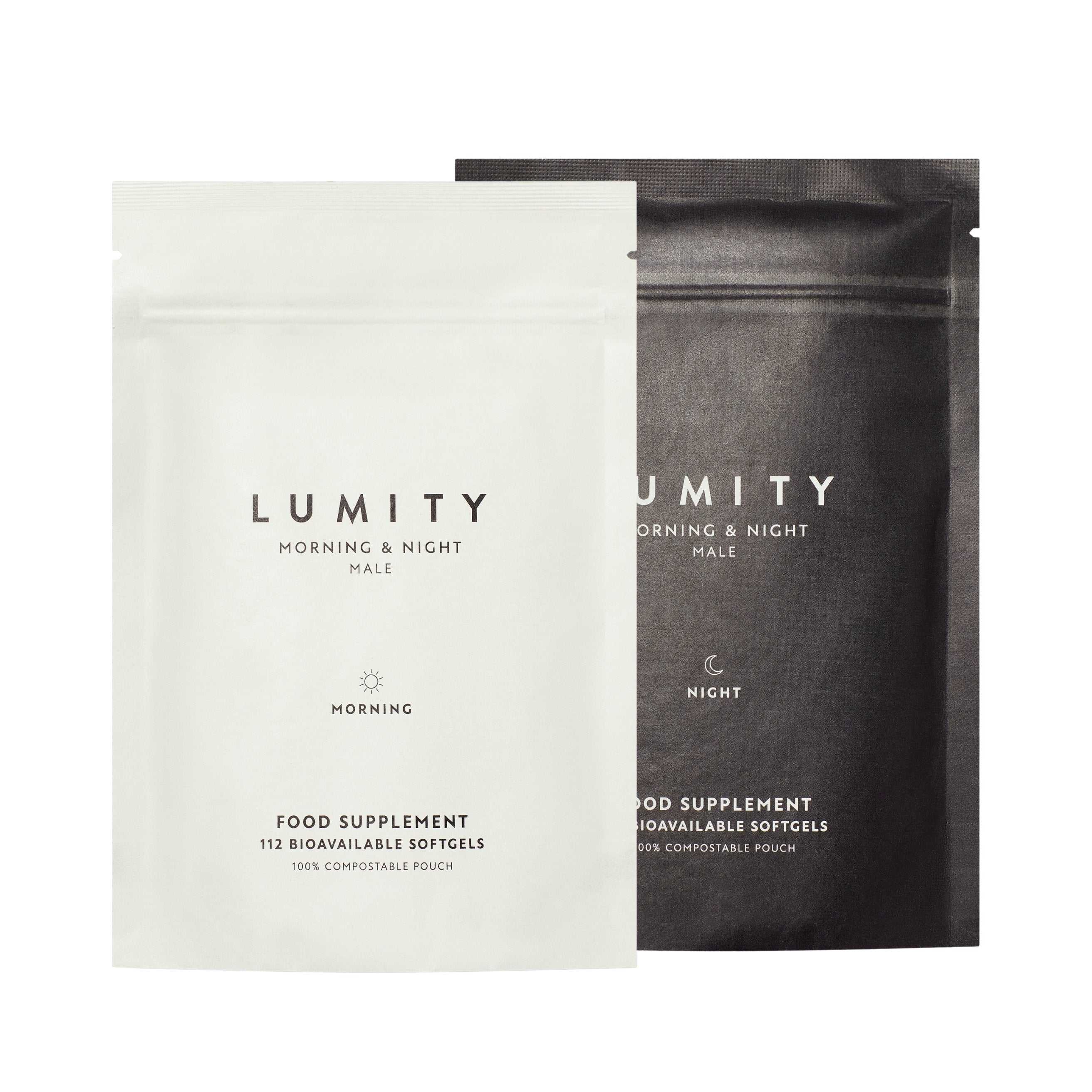
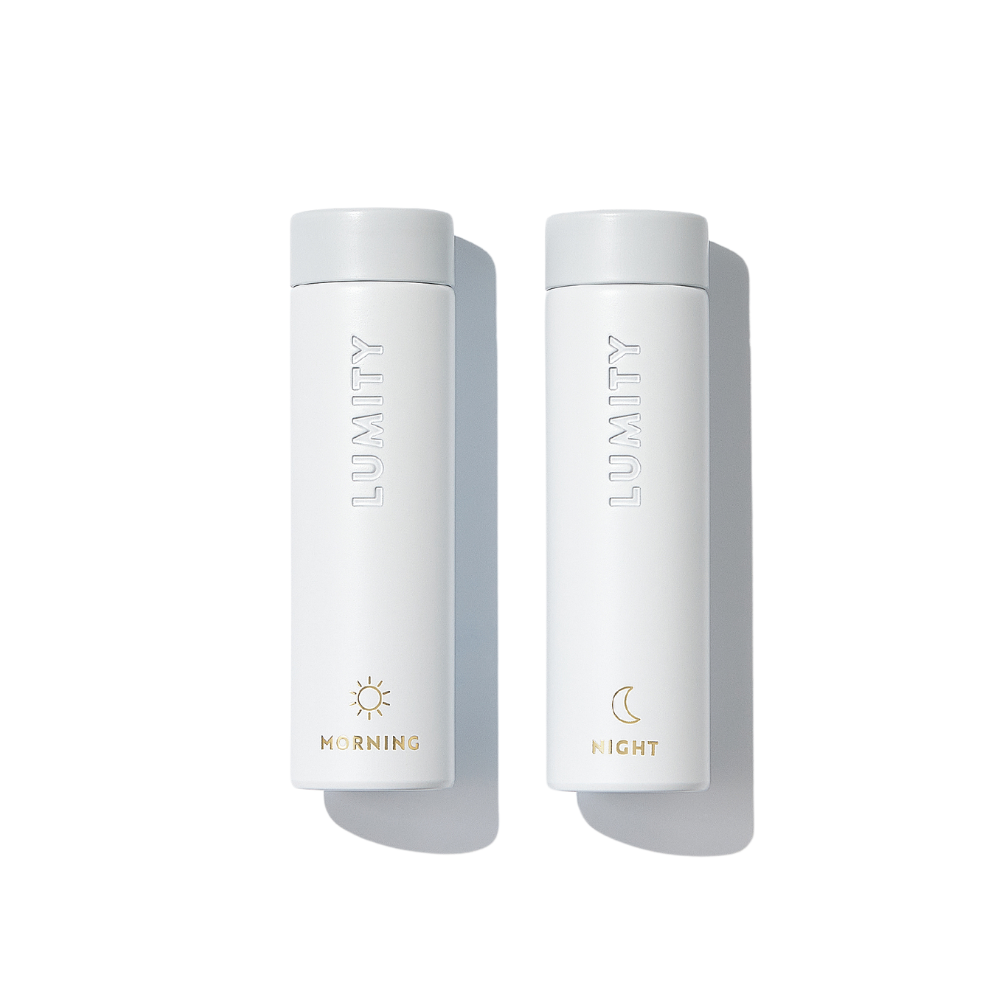
4. Morning & Night
Morning & Night was developed with circadian rhythm in mind. Using a unique dual-dose mechanism, Morning & Night is clinically proven to support sleep with targeted nutritional support from 28 Vitamins, Minerals, Amino Acids, Adaptogens and Omega 3s.
During a heatwave, the Night dose helps the body to wind down, rest and recover from the day.