




08 July 2026
Do Skin Supplements Really Work? The Clinical Evidence on Hydration and Elasticity
Your skin doesn't care what Instagram promised you…
5 MIN READ
In This Article
- The Evidence on Skin Supplements
- Statistical significance vs real-world significance
- How to evaluate the evidence (without needing a PhD)
- The 5 Questions That Instantly Separate Strong Evidence From Glossy Marketing
- Collagen Supplements: The Strongest Evidence So Far
- The Lumity Clinical Study: What It Adds to the Picture
- Why Timing and Formulation Matter
- How to Choose Skin Supplements That Are Worth Taking
- Do Skin Supplements Really Work?
- Frequently Asked Questions FAQs
Skin supplements live in the space between hype and hope: on one side, the skeptics who've watched too many gummy vitamins do little more than a packet of Haribo – on the other: the true believers swearing their collagen powder did more than a decade of serums ever could.
The truth? They’re both right.
Oral supplements can influence skin biology, but not in the way that a trending TikTok may suggest. Your skin isn't a canvas waiting for a magic pill; it's a living organ with barrier functions, structural scaffolding and constant cellular turnover. If a supplement actually works, it should show up in real, measurable changes: hydration levels, elasticity and dermal density. (The kind of data researchers track in controlled trials, not just perfect selfies in a Ring Light.)
As the brand behind the UK’s original and bestselling longevity supplement, we’re cutting through the noise and diving deep into what the latest science suggests about skin supplements.
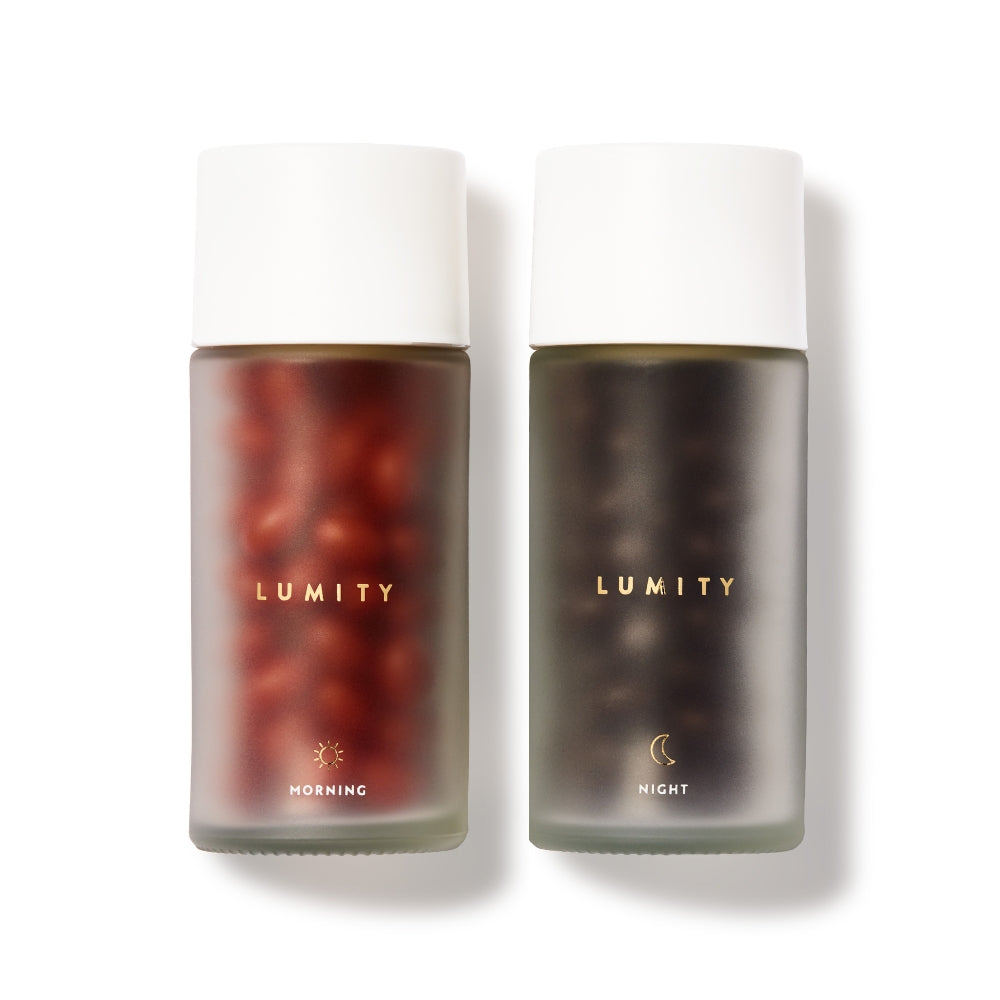
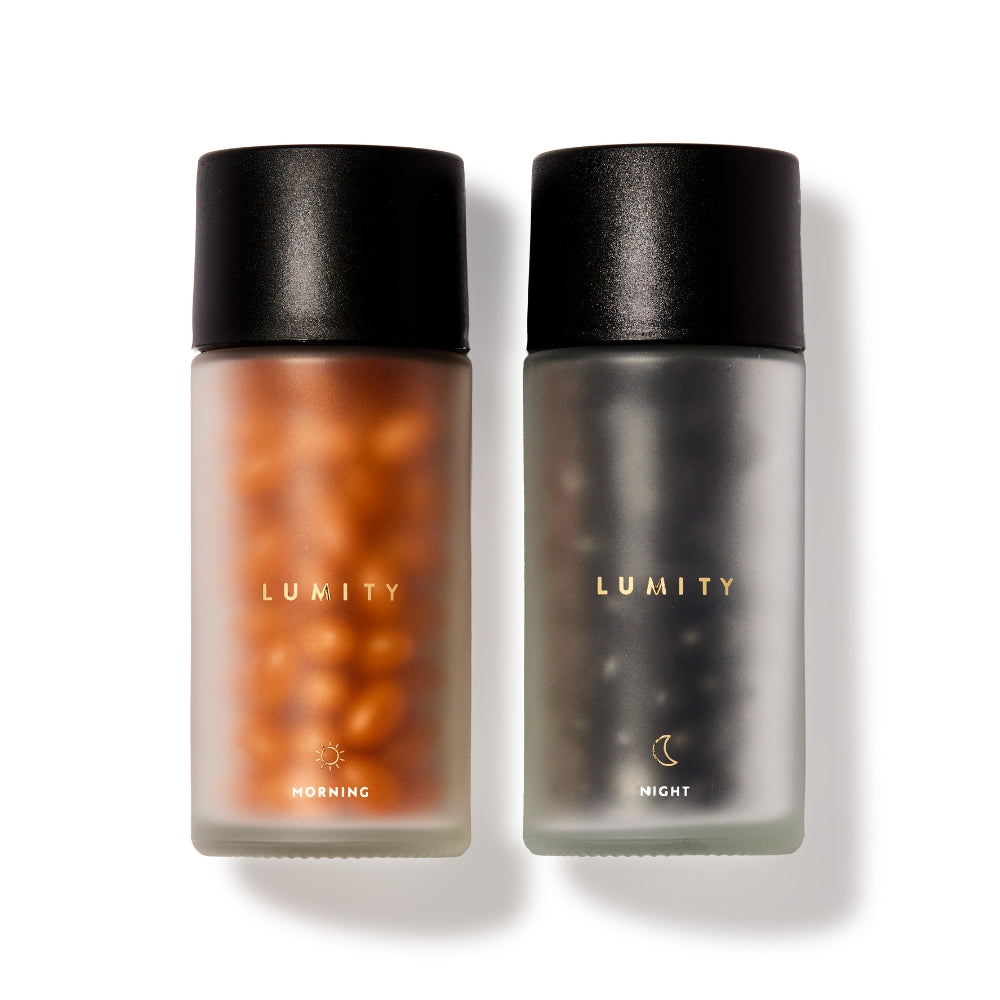
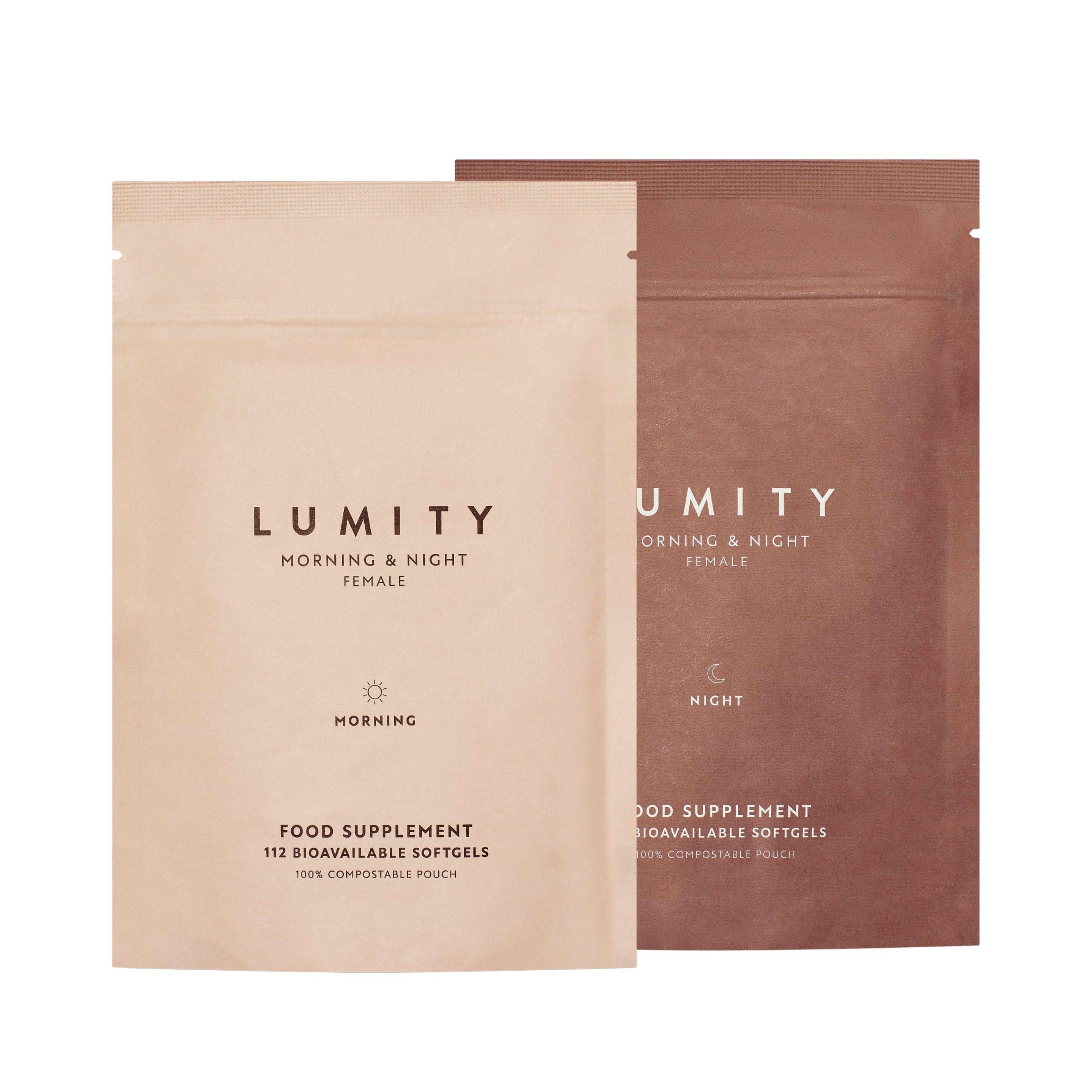
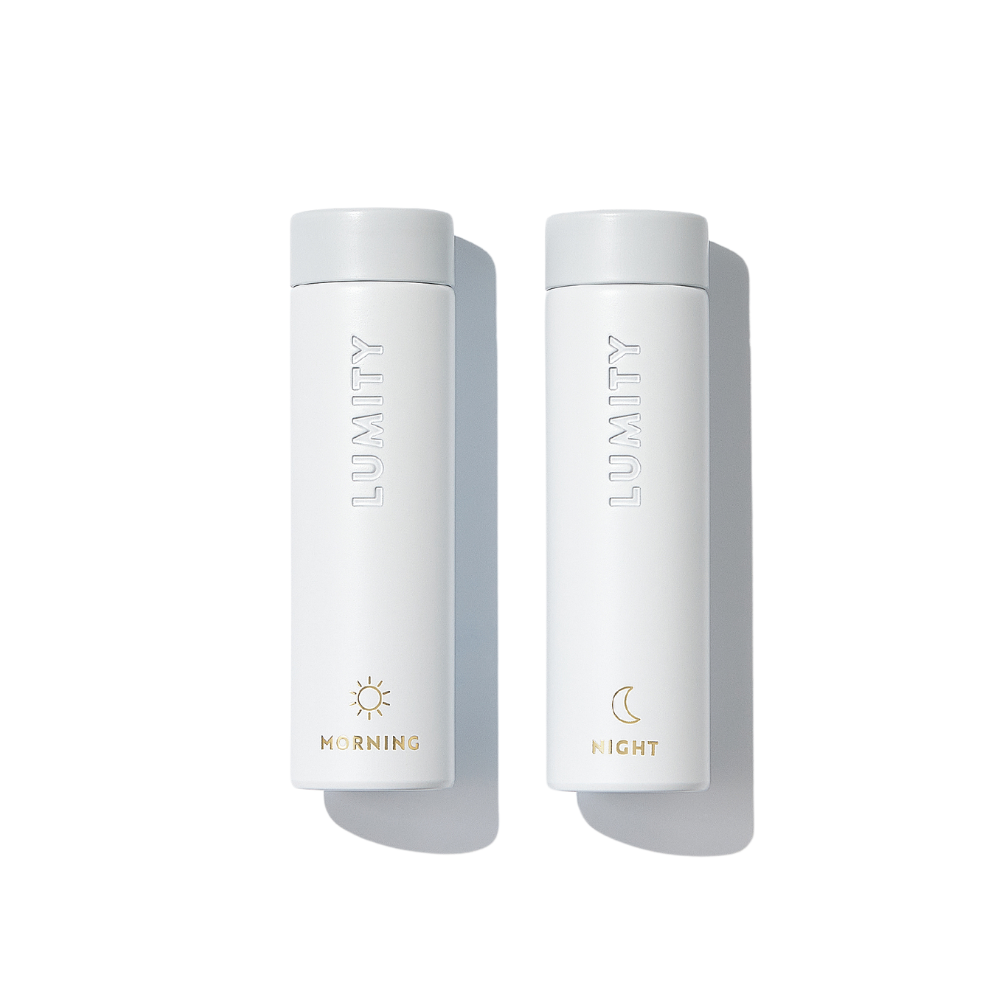
With 28 biologist-selected nutrients and a dual-dose mechanism, our Morning & Night supplement nourishes skin from within – delivering noticeable, clinically proven results to skin hydration and elasticity after just a few weeks of consistent use.
The Evidence on Skin Supplements
The science of supplementation has matured beyond marketing claims into a body of peer-reviewed clinical evidence – and we now have enough high-quality randomized controlled trials to assess what actually works:

- Efficacy: Clinical meta-analyses of 26 RCTs confirm that hydrolyzed collagen significantly improves skin hydration and elasticity over 8–12 weeks.
- Mechanism: Oral supplements support the dermal scaffold and barrier function (TEWL), whereas topicals primarily affect the surface.
Trust Factor: Look for "randomized, double-blind, placebo-controlled" trials on the whole supplement (not individual ingredients) to avoid industry bias.
While most other brands borrow existing clinical trials on individual ingredients, we tested our own formula in a gold standard clinical trial. We’ll be taking a look at the details of Lumity’s own commissioned clinical study published in the Journal of Clinical and Aesthetic Dermatology, which tested our flagship Morning & Night oral supplement regimen in a double-blind, placebo-controlled design and reported improvements in hydration and other skin parameters over 12 weeks.
https://pubmed.ncbi.nlm.nih.gov/31531157/
(full article: https://jcadonline.com/supplement-july-2019/)
What ‘working’ actually means for skin supplements
If a supplement truly improves your skin, it shouldn’t rely solely on vague language like ‘glow’ or ‘radiance’. In proper clinical research, ‘working is also tied to measurable skin functions – the kinds of outcomes you can quantify with instruments in a clinical trial.
Here are the three key measurements you’ll see in higher-quality trials:
1) Hydration (how well the outer skin layer holds water)
Most studies measure hydration in the stratum corneum (the outermost layer) using corneometry – typically a Corneometer device that estimates water content by measuring changes in skin capacitance. https://pubmed.ncbi.nlm.nih.gov/22092664/ and https://onlinelibrary.wiley.com/doi/10.1111/j.1600-0846.2004.00050.x
Plain English: corneometry is essentially a “hydration meter” for the skin’s surface.
2) Elasticity and firmness (how well skin springs back)
Elasticity is often measured with a Cutometer, a suction-based device that gently pulls the skin and tracks how it deforms and returns to shape.https://onlinelibrary.wiley.com/doi/10.1111/jocd.13638 and https://pubmed.ncbi.nlm.nih.gov/34470542/
Plain English: the Cutometer tests whether skin behaves more like a spring (elastic) or more like dough (less elastic).
3) Barrier function (how well skin prevents water loss)
A key objective measure here is transepidermal water loss (TEWL) – how much water escapes through the skin. Higher TEWL generally indicates a more compromized barrier. TEWL is widely used in dermatology research as a non-invasive way to assess barrier integrity. https://www.jidonline.org/article/S0022-202X(18)32576-4/pdf
| Metric | Measurement Tool | Description |
|---|---|---|
| Hydration | Corneometer | Measures water content via skin capacitance. |
| Elasticity | Cutometer | Measures "spring back" via suction-based deformation. |
| Barrier (TEWL) | Evaporimeter | Quantifies water loss through the stratum corneum. |
Statistical significance vs real-world significance
One last (crucial) point: a study can show a statistically significant improvement in hydration or elasticity without that change being big enough for you to notice day-to-day. That’s why the best articles don’t just ask “did it work in a study?” – they ask “how much did it change, over how long, and would a real person feel the difference?”
How to evaluate the evidence (without needing a PhD)
If you’ve ever read ‘clinically proven’ on a supplement label and felt your scepticism spike, you’re not being cynical – you’re being statistically literate. Supplement research can be useful, but it’s also easier to get wrong than pharmaceutical research. Drugs are typically tested in tightly controlled conditions with standardized dosing, whereas nutrition and supplement trials often wrestle with messy variables like baseline diet, adherence, placebo design, and expectations (even the ‘control’ can accidentally change behaviour). Reviews of dietary clinical trials flag blinding and placebo design as persistent challenges, which is why methodology matters so much. https://pmc.ncbi.nlm.nih.gov/articles/PMC8453651/
So, when you’re deciding whether a skin supplement ‘works’, don’t start with the marketing. Start with the study design.

The quick ‘red flags’ list (beauty supplement edition)
- No placebo, or an obvious placebo (participants can guess their group)
- Tiny sample size and lots of endpoints (but only the “best” ones highlighted)
- Dramatic before/after photos with no objective measurements
- Results described as ‘clinically proven’ without citing the trial
As a brand founded by a Cambridge-educated PhD biologist, Dr. Sarah Palmer Hussey, Lumity is always led by science. Our gold-standard clinical trial was placebo-controlled, double-blind and published in the Journal of Clinical and Aesthetic Dermatology.
The 5 Questions That Instantly Separate Strong Evidence From Glossy Marketing
1) Was it randomized, double-blind, placebo-controlled? Randomized controlled trials are still the most rigorous way to test cause and effect in humans. https://www.bmj.com/content/316/7126/201
Blinding and placebo control help reduce expectation effects and bias – especially important in appearance-related outcomes. https://www.sciencedirect.com/science/article/abs/pii/S0895435600003474
2) How many people took it – and for how long? Skin changes don’t happen overnight. A 2–4 week study with 15 participants may detect something, but it’s rarely strong enough to bet your money on.
3) Were outcomes objective, or mostly self-reported? Self-reports (‘my skin felt smoother’) can be helpful, but objective tools (e.g., hydration and elasticity measurements) are harder to fake and easier to trust.
4) Did the researchers report the essentials clearly? High-quality trials follow reporting standards like CONSORT, which exist to stop researchers ‘hiding the ball’ on key details like randomisation, dropouts and outcomes. https://pubmed.ncbi.nlm.nih.gov/20334632/
(If you can’t tell how a study was run, you can’t judge whether the results are real.)
5) Who funded the research – and were conflicts disclosed? Industry funding doesn’t automatically mean a study is unreliable, but it does raise the bar. Financial conflicts have been associated with biased conclusions in nutrition-related research bodies of evidence. https://journals.plos.org/plosmedicine/article?id=10.1371/journal.pmed.1001578
Collagen Supplements: The Strongest Evidence So Far
If there’s one category in the ‘beauty supplement’ world that’s earned the right to be taken seriously, it’s collagen peptides. Type I collagen is the main structural protein in the dermis, helping give skin its tensile strength and resilience. As we age (and especially with UV exposure), collagen fibres fragment and the skin’s supportive scaffold weakens — which is one reason elasticity drops and lines become more ‘etched in’. A recent scientific overview of collagen types in skin summarises this structural role clearly. https://www.frontiersin.org/journals/medicine/articles/10.3389/fmed.2024.1449597/full
With Glycine, Vitamin C and Vitamin A, the ingredients in our Morning & Night supplement can support collagen synthesis and skin texture. As an add-on or taken alone, our Targeted Support Beauty Plus supplement contains hydrolysed collagen peptides blended with other skin-supporting nutrients.
Does clinical evidence support collagen for skin hydration?
The strongest way to judge collagen isn’t one flashy trial – it’s what happens when you pool multiple good trials together.
A 2023 systematic review and meta-analysis of 26 randomized controlled trials (n=1,721) found that hydrolysed collagen supplementation significantly improved skin hydration and elasticity compared with placebo. https://pubmed.ncbi.nlm.nih.gov/37432180/ An earlier meta-analysis (2021) also reported favourable effects for hydrolysed collagen across hydration, elasticity and wrinkle-related outcomes, typically over a period of around three months. https://pubmed.ncbi.nlm.nih.gov/33742704/
Plain English: collagen peptides are one of the few oral supplements where the evidence base goes beyond ‘maybe’ and into ‘there’s a consistent signal here’.
What this means in practice
- Look for products using collagen peptides (hydrolysed collagen), not vague ‘collagen’ wording.
- Expect a timeline of weeks, not days – like our own gold standard clinical trial, most meaningful studies run 8–12 weeks. https://pubmed.ncbi.nlm.nih.gov/37432180/
- Treat collagen as support, not a standalone fix: foundational supplements, skincare, sun protection and protein intake still do heavy lifting.
Beyond collagen: other nutrients that support skin function
Collagen tends to steal the spotlight – but in real skin biology, it’s more like the headline act supported by an entire backstage crew.
Vitamin C is essential for normal collagen biosynthesis because it acts as a cofactor for enzymes (prolyl and lysyl hydroxylases) involved in stabilising collagen structure. That role has been established for decades in the scientific literature. Vitamin C is one of 28 key ingredients in our clinically proven Morning & Night supplement. https://pubmed.ncbi.nlm.nih.gov/3008449/
Then there’s the oxidative stress layer. Aging skin isn’t just about ‘running out of collagen’; it’s also about cumulative exposure to UV, pollution, and inflammation – all of which increase reactive oxygen species (ROS). Reviews of aging skin note that antioxidant defences in skin decline with age, which helps explain why oxidative stress is such a central theme in skin aging research. https://pmc.ncbi.nlm.nih.gov/articles/PMC4496685/
Plain English: antioxidants don’t ‘stop aging’, but they’re part of the system that helps skin cope with daily stress.
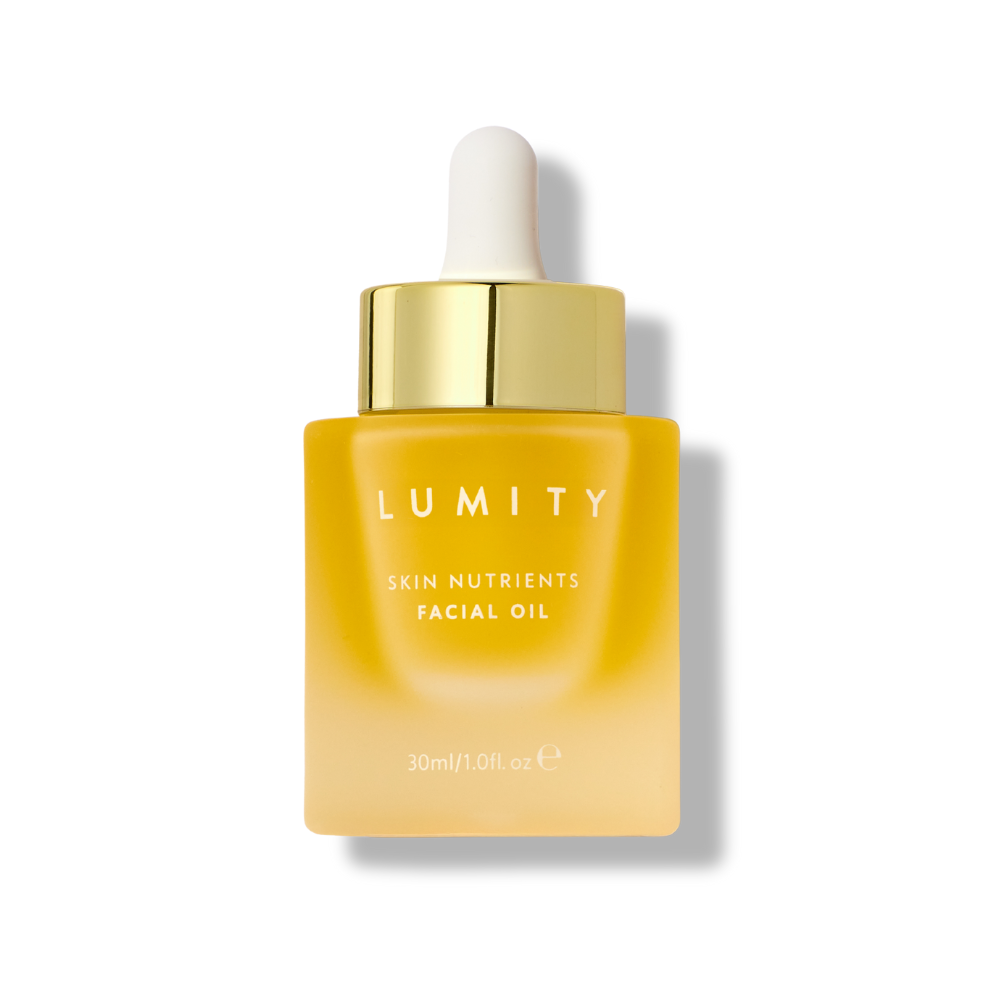
Finally, don’t ignore the skin barrier. Your outer layer needs lipids (including ceramides) to hold water and keep irritants out. We recommend using our ultra-hydrating Skin Nutrients Facial Oil to soothe and hydrate tired skin.
Put together, this is why multi-nutrient strategies can make sense: collagen provides building blocks, but nutrients supporting collagen formation, oxidative balance, and barrier integrity help determine whether that scaffolding actually translates into better-feeling, better-functioning skin.

The Lumity Clinical Study: What It Adds to the Picture
While most supplement companies rely on existing studies on individual ingredients, Lumity’s commissioned clinical study stands out for testing a complete, real-world formulation – designed to be taken as a Morning & Night system, rather than a single nutrient in isolation.
The study, published in the Journal of Clinical and Aesthetic Dermatology, used a double-blind, placebo-controlled design and followed 50 women aged 35–65 with mild-to-moderate photoaging over a 12-week period. Participants were randomly assigned to receive either the Lumity Morning & Night formulation or a matched placebo.
https://pubmed.ncbi.nlm.nih.gov/31531157/
(full paper: https://pmc.ncbi.nlm.nih.gov/articles/PMC6715334/)
What makes this study particularly relevant is that it assessed clinically meaningful skin outcomes, not just ingredient absorption. Compared with placebo, blinded investigator assessments showed statistically significant improvements in skin hydration from Week 8 onwards (p<0.001), alongside improvements in firmness (p=0.035) and overall skin appearance. Objective silicone replica analysis also showed a significant reduction in wrinkle breadth at Week 12 in the supplement group. https://pmc.ncbi.nlm.nih.gov/articles/PMC6715334/
In practical terms, these findings align well with what broader collagen and nutrition research suggests: when nutrients that support collagen formation, antioxidant defence and skin structure are combined in an evidence-informed way ( and taken consistently over time), measurable improvements in skin parameters can follow.
Why Timing and Formulation Matter
When it comes to supplements, what you take matters – but so does how and when you take it.
Human skin follows a circadian rhythm, just like sleep, hormone release, and metabolism. Research in skin biology shows that processes linked to repair, cell turnover, and barrier recovery are more active at night, while daytime skin is more focused on protection against environmental stressors such as UV radiation and pollution. Morning & Night’s dual-dose system was designed with circadian rhythm in mind – delivering the right nutrients at the right time of day. https://www.ncbi.nlm.nih.gov/pmc/articles/PMC3583881/
Plain English: skin spends the day defending itself, and the night repairing itself.
This matters for nutrition because different nutrients support different parts of that cycle. Antioxidants and protective micronutrients are most relevant when skin is exposed to oxidative stress during the day, while nutrients involved in collagen formation, cellular repair, and structural maintenance are particularly relevant during overnight recovery. Reviews of circadian regulation in skin aging highlight how disruption to these rhythms can accelerate visible aging. https://www.ncbi.nlm.nih.gov/pmc/articles/PMC9313990/
This is the rationale behind Lumity’s Morning & Night formulation. Rather than delivering everything at once, the system is designed to align nutrient intake with the body’s natural rhythms – supporting daytime resilience and nighttime repair as distinct but complementary processes.
From a formulation perspective, this also reflects a broader trend in nutrition science: moving away from single-nutrient thinking and towards context-specific support. While timing alone isn’t a magic switch, combining evidence-backed ingredients with a biologically sensible dosing strategy helps bridge the gap between ingredient science and real-world use.
How to Choose Skin Supplements That Are Worth Taking
Once you strip away the marketing, choosing a skin supplement becomes much simpler:
1. Start with ingredient form and dose.
Clinical outcomes depend heavily on how an ingredient is delivered. For collagen, the research consistently uses hydrolysed collagen peptides, which are easier to absorb than intact collagen proteins. Trials showing improvements in hydration and elasticity almost always use this form, taken daily. https://pubmed.ncbi.nlm.nih.gov/37432180/
For supporting nutrients, doses should align with those used in studies – not trace amounts added for label appeal. Vitamin C, for example, supports normal collagen formation through its role as an enzymatic cofactor, but only when present in physiologically meaningful amounts. https://pubmed.ncbi.nlm.nih.gov/3008449/
2. Match promises to timelines.
Meaningful changes in skin hydration, elasticity, or firmness typically emerge after 8–12 weeks in randomized controlled trials – not days. Products promising dramatic results in a fortnight are out of step with both skin biology and the clinical evidence. https://pubmed.ncbi.nlm.nih.gov/37432180/
3. Look for quality, not just claims.
Third-party testing, transparent manufacturing standards, and consistent formulation matter. Variability in supplement quality has been widely documented and can affect both safety and outcomes. https://pmc.ncbi.nlm.nih.gov/articles/PMC5452224/
4. Set realistic expectations.
Supplements support skin function; they don’t replace sunscreen, skincare, or diet. Within that context, our Targeted Support: Beauty Plus supplement can be used effectively on its own, particularly for those looking to target skin hydration and elasticity directly through collagen supplementation. At the same time, many people choose to combine Beauty Plus with Lumity’s Morning & Night formulation to provide broader nutritional support for collagen formation, antioxidant defence, and skin maintenance over time. Used either way, consistency – and patience measured in weeks rather than days – is what allows the evidence-backed benefits to show up.
5. Safety, medications, and realistic expectations.
It’s important to remember that supplements are not medicines. They’re regulated differently, which is why the claims you see on labels are deliberately limited – even when there is supporting research. This distinction is clearly outlined in UK and EU guidance on food supplements. https://www.sps.nhs.uk/articles/understanding-food-supplements/
For most healthy adults, skin supplements containing collagen and common micronutrients are generally well tolerated. However, if you’re pregnant, breastfeeding, managing a medical condition, or taking prescription medication, it’s sensible to speak with a GP or pharmacist before starting any new supplement. This is standard advice in clinical and pharmacy guidance, particularly because supplements can occasionally interact with medicines or duplicate nutrients already being taken. https://www.ncbi.nlm.nih.gov/books/NBK547852/
In terms of who benefits most, clinical studies tend to show clearer effects in adults with age-related changes in skin hydration or elasticity, especially when supplements are taken consistently over several months. As with most nutrition interventions, expectations should be realistic: subtle, gradual improvements – not overnight transformations.
Do Skin Supplements Really Work?
Taken as a whole, the clinical evidence suggests that some skin supplements do work within clear limits. Oral collagen peptides, in particular, are supported by multiple randomized controlled trials and meta-analyses showing improvements in skin hydration and elasticity over periods of around 8–12 weeks, compared with placebo. https://pubmed.ncbi.nlm.nih.gov/37432180/
What the evidence does not support are instant, cosmetic-style transformations. Skin responds slowly, and supplements act by supporting underlying biology – collagen structure, antioxidant defence, and barrier function – rather than bypassing it.
That’s why supplements work best as part of a broader strategy. Targeted Support: Beauty Plus can be an effective standalone option for those targeting skin hydration and elasticity directly, while combining it with Lumity’s Morning & Night formulation provides wider nutritional support for collagen formation and skin maintenance, aligned with how skin functions over a 24-hour cycle.
Used consistently, with realistic expectations, skin supplements can earn their place – not as overnight miracles, but as evidence-based skin support that will enhance hydration, elasticity and appearance over time.
Frequently Asked Questions
How long do skin supplements take to work?
Most clinical studies on skin supplements, particularly collagen peptides, report measurable improvements in hydration and elasticity after around 8–12 weeks of daily use. Skin biology changes slowly, so benefits tend to be gradual rather than immediate. Consistency matters far more than short-term dosing.
In our independent, gold-standard, placebo-controlled, double-blind clinical trial, full skin benefits were measurable after 12 weeks of Morning & Night use.
Are collagen supplements better than topical skincare?
They do different jobs. Topical skincare works on the skin’s surface and barrier, while collagen supplements support skin structure from within by providing building blocks and nutrients involved in collagen formation. Research suggests they can be complementary rather than competitive, especially when combined with good sun protection and skincare habits.
The hydrolysed collagen in our Targeted Support: Beauty Plus supplement nourishes skin from within, while our complementary Skin Nutrients products deliver instant topical hydration and smoothness.
Can you take collagen long term?
For healthy adults, collagen supplements are generally considered safe for long-term use, and most studies report good tolerability. As with any supplement, it’s sensible to avoid excessive dosing and to speak with a healthcare professional if you have underlying conditions or take medication.
Do skin supplements work after menopause?
Yes, many trials include peri- and post-menopausal women, and results often show improvements in hydration and elasticity in this group. Because collagen decline accelerates after menopause, consistent supplementation combined with broader nutritional support may be particularly relevant.
Many Morning & Night users rely on our supplement to help them look and feel their best in their perimenopausal, menopausal and postmenopausal years.
References
BMJ (1998) Statistics Notes: Randomized controlled trials. Available at: https://www.bmj.com/content/316/7126/201 (Accessed: 8 July 2026).
Frontiers in Medicine (2024) Collagen types in skin. Available at: https://www.frontiersin.org/journals/medicine/articles/10.3389/fmed.2024.1449597/full (Accessed: 8 July 2026).
Journal of Clinical and Aesthetic Dermatology (2019) Supplement. Available at: https://jcadonline.com/supplement-july-2019/ (Accessed: 8 July 2026).
Journal of Investigative Dermatology Transepidermal water loss (TEWL) review. Available at: https://www.jidonline.org/article/S0022-202X(18)32576-4/pdf (Accessed: 8 July 2026).
National Center for Biotechnology Information (NCBI) (1986) Vitamin C and collagen biosynthesis. Available at: https://pubmed.ncbi.nlm.nih.gov/3008449/ (Accessed: 8 July 2026).
National Center for Biotechnology Information (NCBI) (2011) Corneometry review. Available at: https://pubmed.ncbi.nlm.nih.gov/22092664/ (Accessed: 8 July 2026).
National Center for Biotechnology Information (NCBI) (2019) Lumity clinical study. Available at: https://pubmed.ncbi.nlm.nih.gov/31531157/ (Accessed: 8 July 2026).
National Center for Biotechnology Information (NCBI) (2021) 2021 collagen meta-analysis. Available at: https://pubmed.ncbi.nlm.nih.gov/33742704/ (Accessed: 8 July 2026).
National Center for Biotechnology Information (NCBI) (2021) CONSORT reporting guidelines. Available at: https://pubmed.ncbi.nlm.nih.gov/20334632/ (Accessed: 8 July 2026).
National Center for Biotechnology Information (NCBI) (2021) Cutometer reference. Available at: https://pubmed.ncbi.nlm.nih.gov/34470542/ (Accessed: 8 July 2026).
National Center for Biotechnology Information (NCBI) (2023) 2023 collagen meta-analysis. Available at: https://pubmed.ncbi.nlm.nih.gov/37432180/ (Accessed: 8 July 2026).
National Center for Biotechnology Information (NCBI) Circadian regulation in skin aging. Available at: https://www.ncbi.nlm.nih.gov/pmc/articles/PMC9313990/ (Accessed: 8 July 2026).
National Center for Biotechnology Information (NCBI) Skin circadian rhythms. Available at: https://www.ncbi.nlm.nih.gov/pmc/articles/PMC3583881/ (Accessed: 8 July 2026).
NCBI Bookshelf (2023) Dietary supplements overview. Available at: https://www.ncbi.nlm.nih.gov/books/NBK547852/ (Accessed: 8 July 2026).
PLOS Medicine (2014) Industry funding and bias. Available at: https://journals.plos.org/plosmedicine/article?id=10.1371/journal.pmed.1001578 (Accessed: 8 July 2026).
PubMed Central (PMC) Full text of the Lumity clinical study. Available at: https://pmc.ncbi.nlm.nih.gov/articles/PMC6715334/ (Accessed: 8 July 2026).
PubMed Central (PMC) Oxidative stress and skin aging. Available at: https://pmc.ncbi.nlm.nih.gov/articles/PMC4496685/ (Accessed: 8 July 2026).
PubMed Central (PMC) Review of dietary clinical trial methodology. Available at: https://pmc.ncbi.nlm.nih.gov/articles/PMC8453651/ (Accessed: 8 July 2026).
PubMed Central (PMC) Supplement quality review. Available at: https://pmc.ncbi.nlm.nih.gov/articles/PMC5452224/ (Accessed: 8 July 2026).
ScienceDirect Blinding and placebo effects. Available at: https://www.sciencedirect.com/science/article/abs/pii/S0895435600003474 (Accessed: 8 July 2026).
Specialist Pharmacy Service (SPS) Understanding food supplements. Available at: https://www.sps.nhs.uk/articles/understanding-food-supplements/ (Accessed: 8 July 2026).
Wiley Online Library Corneometry methodology. Available at: https://onlinelibrary.wiley.com/doi/10.1111/j.1600-0846.2004.00050.x (Accessed: 8 July 2026).
Wiley Online Library Cutometer reference. Available at: https://onlinelibrary.wiley.com/doi/10.1111/jocd.13638 (Accessed: 8 July 2026).
Read more

Which Nutrients Support Natural Daily Energy? A Guide to Vitamins, Minerals & Amino Acids
What really supports natural daily energy? Discover the science behind Vitamins, Minerals, Amino Acids and essential fats, including which nutrients support normal energy metabolism, how to assess ...
Read more
From Vitamin C to Omega 3: What the Science Says About Each Ingredient in Lumity Morning & Night
What does the science really say about Lumity Morning & Night? We examine the research behind its key ingredients, from Vitamin C and CoQ10 to Magnesium and Omega 3, alongside Lumity’s placebo-...
Read more