




6 October 2026
From Vitamin C to Omega 3: What the Science Says About Each Ingredient in Lumity Morning & Night
5 MIN READ
In This Article
- What Is Lumity Morning & Night?
- What Does the Research Say About Lumity Morning & Night?
- What Does the Science Say About the Ingredients in Lumity Morning?
- What Does the Science Say About the Ingredients in Lumity Night?
- Why Formulation, Dose and Bioavailability Matter
- How Strong Is the Evidence Behind Lumity Morning & Night?
- The Bottom Line: What Does the Science Actually Support?
- Frequently Asked Questions FAQs
What Is Lumity Morning & Night?
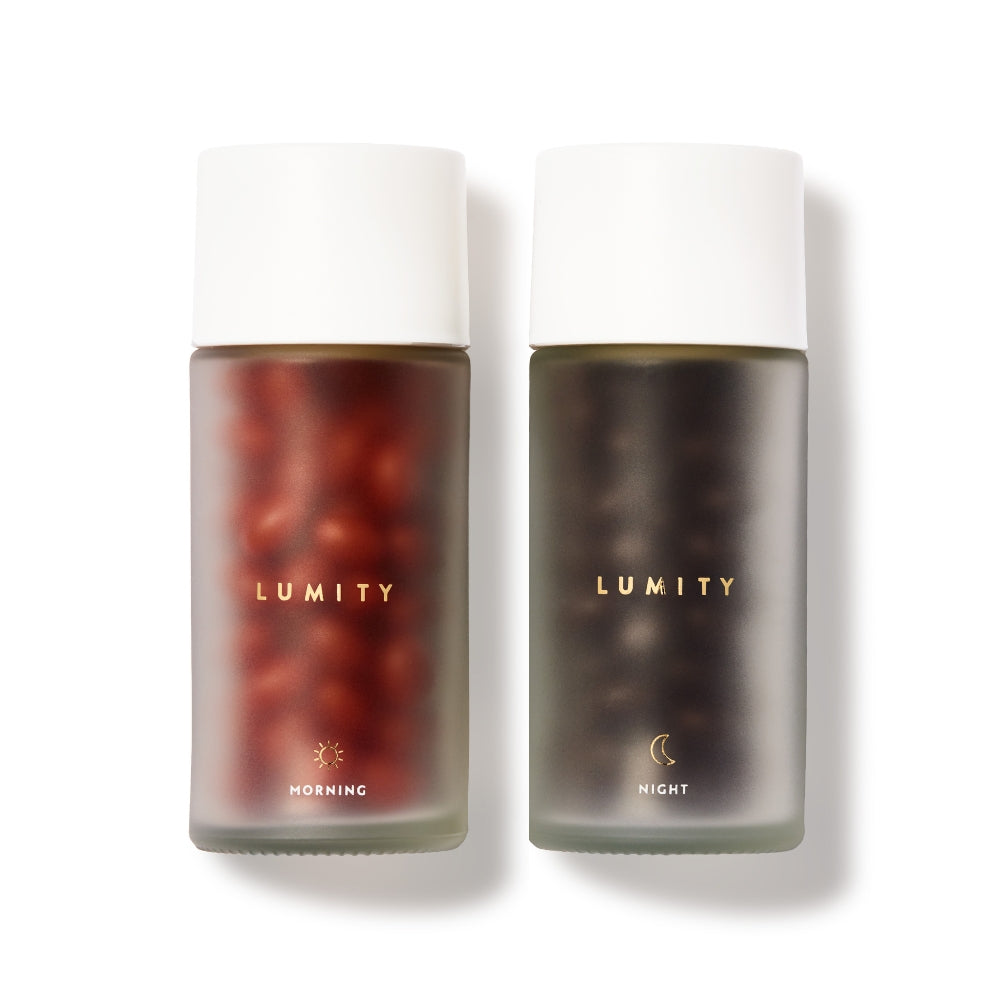
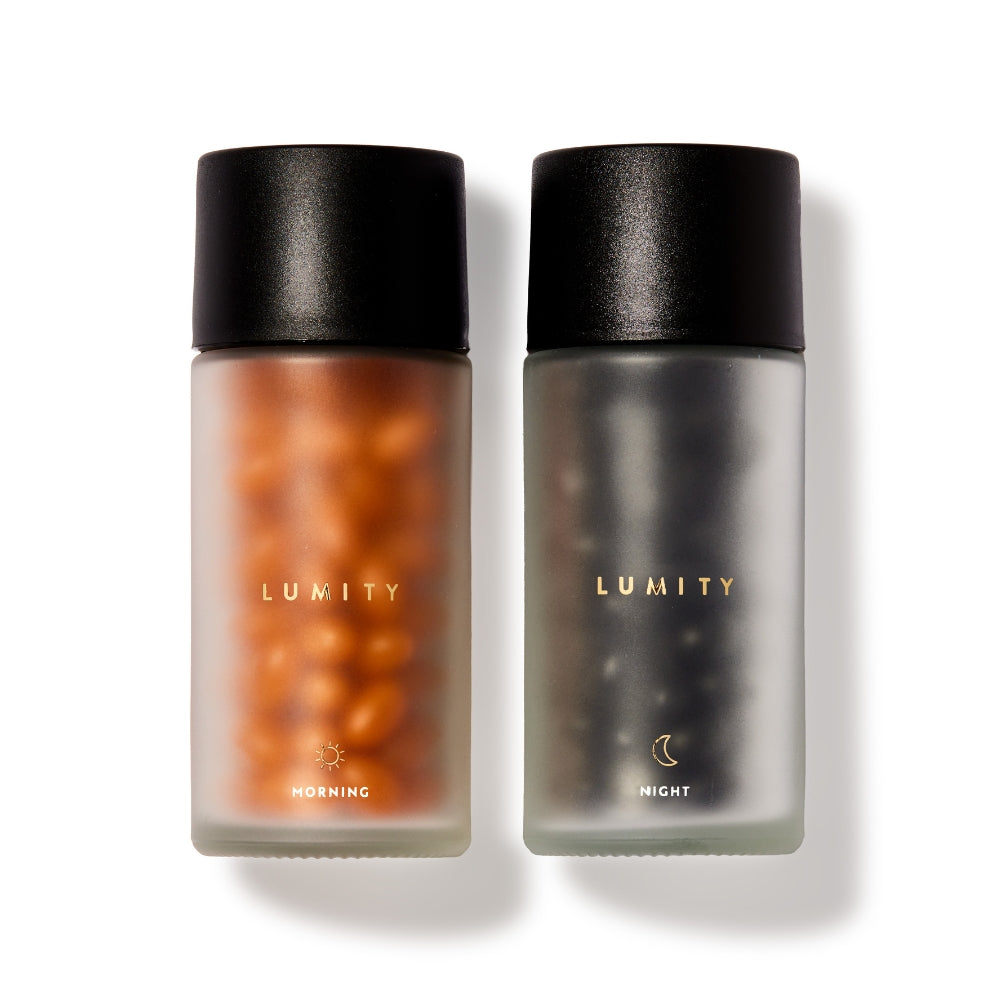
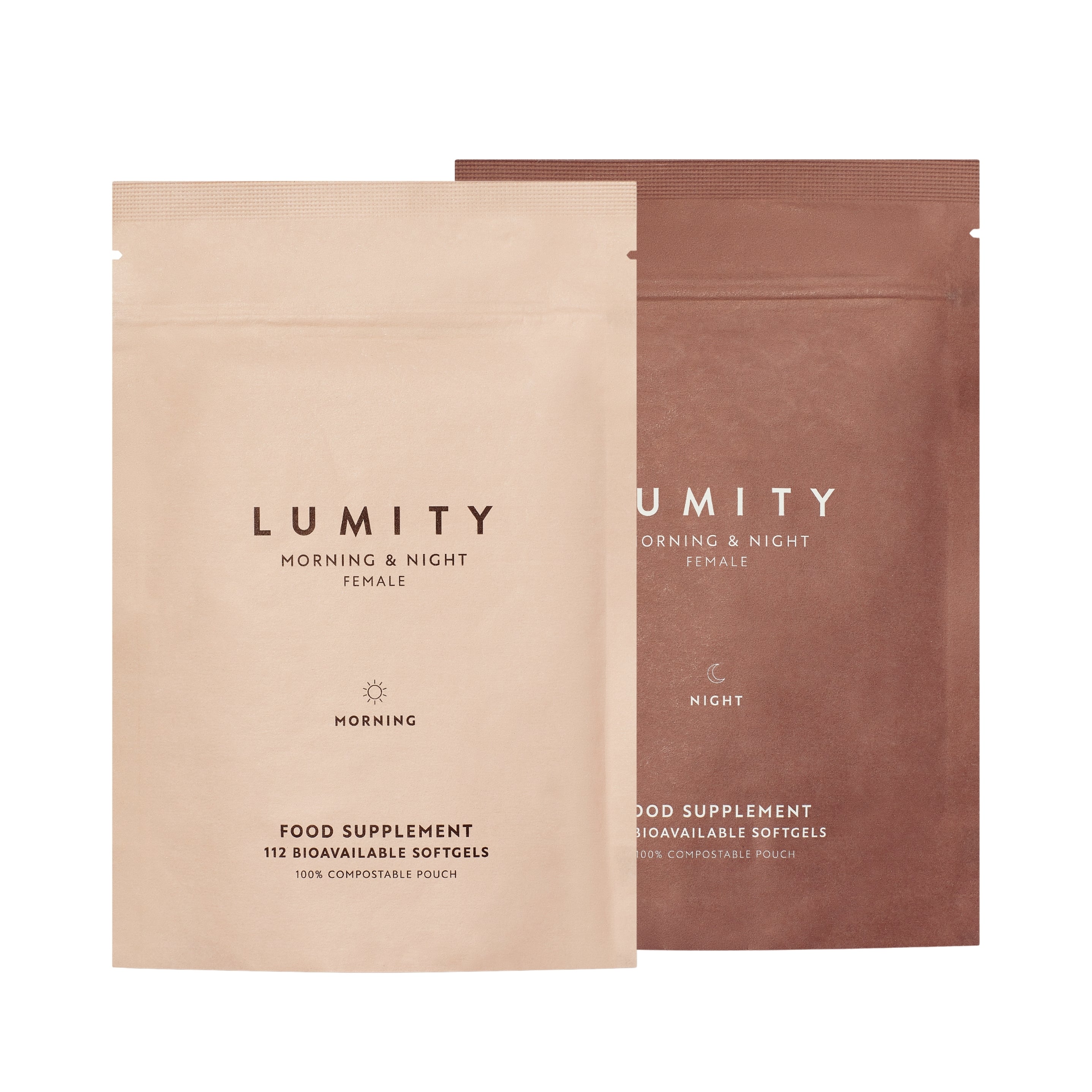
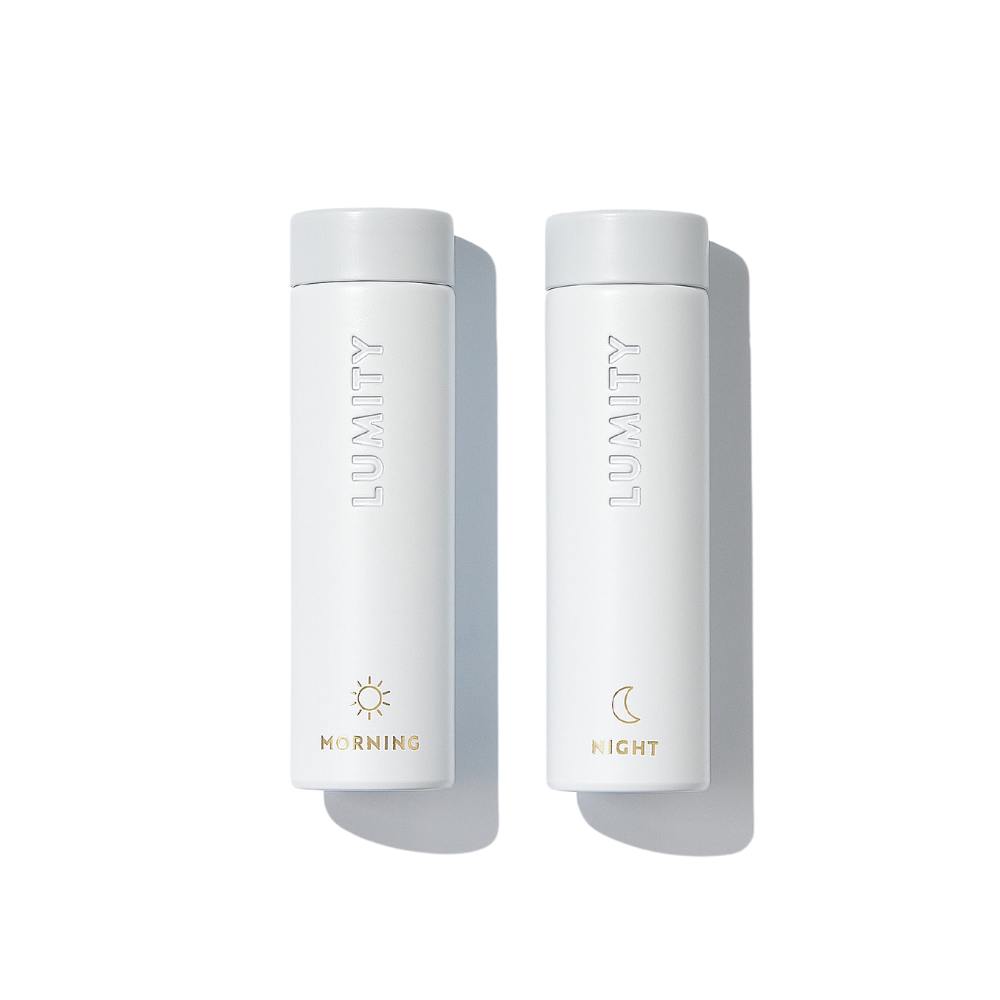
Lumity Morning & Night is a two-part daily supplement formulated to provide different combinations of vitamins, minerals, amino acids, botanical ingredients and fatty acids at different points in the day. The current women’s formula contains 28 active ingredients across its Morning and Night softgels, including vitamin C, vitamin D3, magnesium, zinc, flaxseed oil, amino acids, CoQ10, ashwagandha, turmeric and lutein.

Why the Formula Is Split Into Morning and Night Supplements
The idea behind separating nutrients by time of day draws on chrononutrition: the study of how nutrition interacts with the body’s circadian rhythms. Human metabolism changes across the 24-hour cycle, and research shows that physiological responses to food and nutrients can vary according to timing (Smith and Betts, 2022). Circadian clocks also operate in metabolically important tissues including the liver, skeletal muscle and adipose tissue. Lumity applies this principle by dividing its formulation into Morning softgels, taken at the start of the day, and Night softgels, taken before bed.
What Does “Evidence-Based” Mean for a Supplement?
For a supplement, “evidence-based” should mean more than showing that an ingredient has a biological function. The strongest case considers clinical evidence, the dose and form studied, the health outcome measured, study quality and whether research has tested the finished formulation itself. Evidence supporting vitamin C or magnesium, for example, does not automatically establish the effects of a multi-ingredient supplement containing them
What Does the Research Say About Lumity Morning & Night?
The most direct evidence for Lumity comes from a 12-week, randomized, double-blind, placebo-controlled trial of the finished formulation. The study reported improvements across several measures of skin appearance, including an objective measure of wrinkle breadth, providing encouraging clinical evidence for the formulation as a whole. As with any single study, the findings should be interpreted in context: the trial was relatively small, objective skin hydration did not improve significantly versus placebo, multiple outcomes were assessed, the research was company-funded, and the formulation has subsequently evolved. Taken together, the study provides promising product-specific clinical evidence for Lumity, while further independent research in larger populations would help strengthen and extend these findings.
What the Lumity Clinical Study Investigated
The trial enrolled 50 women aged 35–65 with mild-to-moderate photoaging at a single research site; 25 received Lumity and 25 received sucrose placebo tablets for 12 weeks. Both participants and the dermatologist investigator were blinded, although the method used to generate the randomisation sequence was not reported. Participants took three Morning and three Night supplements daily. Outcomes included dermatologist- and participant-rated wrinkles, firmness, hydration, dullness, roughness, pigmentation and overall appearance, plus quality-of-life measures, objective corneometry for hydration and laser analysis of silicone replicas of crow’s-feet wrinkles (Draelos, 2019).
What the Study Found
By Week 8, dermatologist ratings favoured Lumity for
- firmness (p=0.035),
- hydration (p<0.001),
- dullness (p<0.001) and
- overall appearance (p=0.010).
Participants also reported improvements in
- healing (p=0.042),
- hydration (p=0.004),
- dullness (p=0.003),
- roughness (p=0.015),
- pigmentation (p=0.025) and
- overall appearance (p=0.005).
At Week 12, laser-scanned replicas showed significantly reduced wrinkle breadth (p=0.018).
The paper did not report effect sizes or confidence intervals for these comparisons (Draelos, 2019).
What the Study Can Tell Us
The study provides a meaningful advantage over anecdotal evidence or consumer surveys because it used a randomized, double-blind, placebo-controlled design to evaluate the finished Lumity formulation. Over the 12-week study, researchers reported improvements across several measures of skin appearance, including an objective improvement in wrinkle breadth, providing encouraging product-specific clinical evidence (Draelos, 2019).
As a pilot study, there are limitations to how broadly these findings can be applied. The trial involved 50 women at a single centre and was funded by Lumity Life Ltd., although the author declared no relevant conflicts of interest. The paper also did not report a prespecified primary endpoint, effect sizes, confidence intervals or adjustments for multiple statistical comparisons. These factors do not negate the positive findings, but they mean that larger independent trials would be valuable for confirming and extending the evidence.
It is also important to distinguish between the formulation clinically tested in 2019 and Lumity Morning & Night as it exists today. The product has subsequently evolved, including changes to ingredient quantities and the daily softgel regimen. The original trial therefore provides controlled clinical evidence for the Lumity formulation tested at that time, rather than direct clinical validation of every subsequent formulation change.
Evidence summary:
Promising product-specific clinical evidence, with further research warranted. Lumity can point to something many supplement formulations cannot: a placebo-controlled human trial of the finished product that reported positive skin outcomes after 8–12 weeks (Draelos, 2019). The study does not identify which individual ingredients produced those results or isolate the effect of Morning and Night timing, but it provides a credible clinical foundation upon which further research can build.
What Does the Science Say About the Ingredients in Lumity Morning?
Not every Vitamin has the same relationship with energy. Some participate directly in energy metabolism or have recognized roles in reducing tiredness; others support functions that contribute more broadly to wellbeing (Tardy et al., 2020).
Vitamin C
Vitamin C is an antioxidant and essential cofactor for collagen synthesis (NIH ODS, 2025). Topical 5% vitamin C improved measures of photoaged skin in an RCT, but this does not establish the same anti-aging effect from oral supplementation (Humbert et al., 2003). UK adults require 40mg/day; intakes above 1,000mg can cause gastrointestinal symptoms.
Vitamin E
Vitamin E protects lipids against oxidative damage. Oral 400mg/day increased vitamin E concentrations in facial sebum, but did not demonstrate visible wrinkle reduction (Ekanayake-Mudiyanselage et al., 2004). Another human study found 400 IU/day did not reduce UV sensitivity, illustrating the gap between antioxidant mechanisms and clinical anti-aging outcomes (McArdle et al., 2004). EFSA’s adult UL is 300mg/day.
Selenium
Selenium supports antioxidant selenoproteins and thyroid-hormone metabolism. Supplementation can reduce thyroid autoantibodies in autoimmune thyroiditis, although evidence quality is low and clinical relevance remains uncertain (Wichman et al., 2016). Direct human evidence for skin anti-aging is limited; EFSA’s adult UL is 255μg/day.
Zinc
Zinc supports enzyme activity, DNA/protein synthesis, immunity and wound healing (NIH ODS, 2025). Its role in wound repair is well established, particularly where deficiency exists, but evidence that extra zinc reverses skin aging in zinc-replete adults is limited (Lin et al., 2018). EFSA’s adult UL is 25mg/day.
Vitamin D3
Vitamin D has established roles in calcium metabolism and musculoskeletal health, but evidence for wider benefits from supplementation in generally healthy adults is considerably less consistent. Large reviews of randomized evidence have found that many proposed non-skeletal benefits remain unproven (Autier et al., 2014; Rejnmark et al., 2017).
Iodine
Iodine is essential for thyroid-hormone synthesis; its benefit is principally preventing or correcting inadequate intake, rather than directly treating skin aging. EFSA sets an adult adequate intake of 150μg/day and an adult UL of 600μg/day (EFSA, 2014).
Alpha-Lipoic Acid
In diabetic neuropathy, studies commonly use 600–1,800mg/day: shorter trials suggest symptom improvements, whereas a Cochrane review of ≥6-month trials found little or no benefit (Hsieh et al., 2023; Cochrane, 2024). There is no comparable robust oral evidence for skin aging.
Coenzyme Q10 (CoQ10)
CoQ10 participates in mitochondrial energy production and antioxidant defence. A small 12-week RCT found that 50–150mg/day reduced some wrinkles and improved smoothness (Žmitek et al., 2017).
Turmeric / Curcumin
Curcumin, one of turmeric’s principal bioactive compounds, has nevertheless been extensively studied. A meta-analysis of 103 randomized controlled trials found evidence of effects on several metabolic, inflammatory and oxidative-stress biomarkers; the certainty of evidence varied between outcomes and the authors called for larger, longer-term trials (Foshati et al., 2024).
Ingredients in Lumity Morning
| Ingredient | Typical evidence-linked dose | Human evidence* | Main supported outcome |
|---|---|---|---|
| Vitamin C | 40mg/day requirement; topical 5% studied | Strong / limited skin | Collagen biology; deficiency prevention |
| Vitamin E | 3–4mg/day requirement; 400mg studied | Strong / limited skin | Antioxidant function |
| Vitamin D3 | 10μg/day (400 IU) UK RNI | Strong | Vitamin D sufficiency; bone and muscle health |
| Selenium | ~60–75μg/day requirement | Moderate | Selenium sufficiency; thyroid biomarkers |
| Zinc | ~7–9.5mg/day requirement | Strong | Nutrient sufficiency; wound healing |
| Iodine | 150μg/day AI | Strong | Thyroid-hormone synthesis |
| ALA | 600–1,800mg/day | Limited–moderate | Diabetic neuropathy symptoms |
| CoQ10 | 50–150mg/day | Limited–moderate | Fatigue; preliminary skin outcomes |
| Turmeric / Curcumin | No established UK RNI | Moderate | Inflammatory and oxidative-stress biomarkers; metabolic health |
*Evidence strength refers to the stated outcome
What Does the Science Say About the Ingredients in Lumity Night?
Lumity’s Night formula combines minerals, amino acids and oils, including magnesium, lysine and flaxseed oil. When assessing these ingredients, it is important to distinguish their established physiological roles from evidence that supplementation produces additional benefits in adults.
Magnesium
Magnesium is an essential mineral involved in numerous physiological processes and is included in Lumity Night. Sleep is one area of particular interest, although the clinical evidence warrants caution: a recent systematic review of randomized controlled trials found inconsistent results and rated the evidence as low to very low certainty, concluding that magnesium cannot currently be recommended as a routine insomnia treatment (Lopresti, Smith and Drummond, 2026).
L-Lysine
Lumity Night contains lysine, an essential amino acid that humans must obtain through the diet. Lysine is required for normal protein synthesis and also participates in processes associated with collagen formation (Matthews, 2020).
Omega-3 Fatty Acids
Lumity Morning & Night Female contains flaxseed oil, a plant source of the essential omega-3 fatty acid alpha-linolenic acid (ALA). Research has investigated ALA in relation to cardiovascular and inflammatory markers, with some trials reporting favourable changes and results varying by population and outcome (Javadi et al., 2023). Taken together, the research illustrates why supplement evidence needs context: an ingredient can have a well-established biological function without clinical trials necessarily demonstrating that supplementing it provides additional benefits to every healthy adult.
Why Formulation, Dose and Bioavailability Matter
Evidence for a supplement cannot be judged simply by asking whether its ingredients have been studied. The dose, chemical form, delivery system, accompanying ingredients and finished formulation can all influence how much of a nutrient is absorbed and whether an effect demonstrated in one study is relevant to another product (Dima et al., 2024). An ingredient-level randomized controlled trial shows what happened with the specific ingredient, dose, formulation and population tested; it does not automatically validate every product containing that ingredient.
Observational research is useful for identifying associations, but nutritional associations do not always reproduce in randomized trials. This distinction is particularly relevant to Lumity. The Lumity-funded, double-blind placebo-controlled study enrolled 50 women and tested three Morning and three Night softgels daily (Draelos, 2019; Lumity-hosted study PDF).
Why Dose and Form Can Affect the Evidence
- More is not necessarily better. Vitamin C demonstrates dose-dependent pharmacokinetics: in a controlled depletion–repletion study, plasma concentrations increased non-linearly and fractional bioavailability fell at higher oral doses (Levine et al., 1996).
- Chemical form matters too. In a randomized study of healthy adults, magnesium citrate produced greater measures of absorption than magnesium oxide at equivalent elemental magnesium intake (Walker et al., 2003).
- Delivery context can also change absorption: a human study found a higher vitamin D3 response when it was consumed with a fat-containing rather than fat-free meal (Dawson-Hughes et al., 2015).
Why Nutrients May Behave Differently in Combination
Multi-ingredient supplements create a nutrient matrix. Components may affect one another's solubility, digestion or intestinal uptake, so evidence for ingredients in isolation cannot predict every interaction in a finished formula (Dima et al., 2024). Human research illustrates the complexity: calcium can reduce iron uptake under some experimental conditions, yet longer whole-diet studies have found much smaller or non-significant effects, showing why context and formulation matter (Lynch, 2000; Grinder-Pedersen et al., 2004).
Assumption: this section does not assume that Lumity's present doses or ingredient forms are equivalent to those used in any cited ingredient-level trial. Where equivalence has not been established experimentally, no such claim should be made.
| Evidence type | What it can show | Main limitation |
|---|---|---|
| Ingredient-level RCTs | Whether a defined dose and form causes an effect under trial conditions | May not transfer to another dose, form or multi-ingredient product |
| Observational studies | Associations between nutrient exposure and health outcomes | Cannot reliably establish causation and may be confounded |
| Finished-formula trials | Effects of the actual combination tested | Cannot determine which ingredient caused the effect; results apply most directly to the tested formulation |
This distinction is consistent with the NIH Office of Dietary Supplements' evidence-review approach, which uses systematic assessment of efficacy and safety rather than treating the existence of ingredient studies as sufficient validation.
From Formulation to Clinical Effect
Bioavailability is an intermediate step, not proof of a health benefit: increased absorption only establishes greater systemic exposure unless a study also measures a meaningful clinical outcome. This distinction is recognized in reviews of oral bioavailability and in recent pharmacokinetic studies of multi-ingredient supplements.
How Strong Is the Evidence Behind Lumity Morning & Night?
The evidence behind Lumity Morning & Night needs to be considered at two levels: research on its individual ingredients and research on the complete formulation. These are related, but they are not interchangeable.
Evidence for Individual Ingredients vs Evidence for the Complete Formula
Several nutrients used in supplements have established physiological roles supported by substantial research. For example, vitamin C is required for collagen biosynthesis (Pullar, Carr and Vissers, 2017), while magnesium participates in hundreds of enzymatic reactions and is essential to normal human physiology (de Baaij, Hoenderop and Bindels, 2015). However, evidence for an ingredient cannot automatically be treated as evidence that a multi-ingredient product produces the same clinical outcome. The finished formulation, doses, nutrient forms, interactions and study population all matter.
Where the Evidence Is Strongest
For Lumity specifically, the most directly relevant evidence is research conducted on the finished supplement. The 2019 published study investigated Lumity Morning & Night in healthy women aged 35–60 over 12 weeks and reported improvements in several measured skin parameters, including hydration and wrinkle-related measures (Schagen et al., 2019). This is more product-specific than extrapolating from ingredient studies alone, but the findings should be interpreted within the study’s design, sample size, duration and population.
Where More Research Is Needed
Replication in larger, independent trials, longer follow-up periods and comparisons with placebo or alternative formulations can increase confidence in whether observed effects are reproducible and clinically meaningful. Systematic reviews also emphasize that nutritional evidence can be affected by differences in dose, baseline nutritional status and study design (Lichtenstein et al., 2021).
Overall, the evidence is best read claim by claim: established nutrient biology provides useful context, while conclusions about Lumity itself should rest primarily on studies of the complete formulation.
The Bottom Line: What Does the Science Actually Support?
Many of the nutrients used in the Lumity Morning & Night formulation have well-established biological functions. Vitamin C, for example, plays a recognized role in collagen synthesis and antioxidant protection (Pullar, Carr and Vissers, 2017). However, evidence that an individual nutrient performs a particular function should not be interpreted as proof that every supplement containing it will produce a specific clinical result. For Lumity, there is product-specific clinical evidence. A double-blind, placebo-controlled study of 50 women aged 35–65 with mild-to-moderate photoaging found statistically significant improvements in several investigator- and participant-assessed skin measures after supplementation, alongside a reduction in wrinkle breadth at 12 weeks (Draelos, 2019). Importantly, the study was conducted at a single site, involved a relatively small population and was funded by Lumity Life Ltd., factors that should be considered when interpreting the results. Taken together, the research provides a scientific basis for discussing both the functions of individual ingredients and the findings observed with the complete Lumity formulation. It does not, however, mean that every proposed benefit has been conclusively demonstrated. Larger independent studies and replication would strengthen the evidence further.
Frequently Asked Questions
Has Lumity Morning & Night Been Clinically Studied?
Yes. A 12-week, single-site, double-blind, placebo-controlled study in 50 women aged 35–65 found improvements in several skin measures from Week 8 versus placebo (Draelos, 2019). The formula has since been upgraded, so the 2019 trial did not test every ingredient in the current version.
Are the Ingredients in Lumity Backed by Scientific Research?
Many ingredients have been studied individually, but evidence varies by nutrient, dose and outcome. Systematic evidence shows that vitamin and mineral supplements are not uniformly beneficial across health outcomes, so ingredient-level evidence should not automatically be treated as proof of the complete formula (O’Connor et al., 2022).
Why Does Lumity Use Separate Morning and Night Formulas?
Lumity says the split is designed around the body’s daily biological rhythms. Chrononutrition research supports links between food timing, metabolism and circadian rhythms, although this does not specifically prove that Lumity’s Morning/Night split is superior (Adafer et al., 2020).
How Long Does It Take to See Results From a Supplement?
There is no universal timeline. In Lumity’s clinical study, several skin outcomes showed differences from placebo at Week 8 that continued through Week 12 (Draelos, 2019).
Is Lumity Morning & Night Suitable for Everyone?
No. Lumity UK states that its current women’s formula is not recommended during pregnancy; people taking medicines should also discuss supplement use with a GP or pharmacist because supplement–drug interactions can occur (Dores et al., 2023).
References
Adafer, R., Messaadi, W., Meddahi, M., Patey, A., Haderbache, A., Bayen, S. and Messaadi, N. (2020) ‘Food timing, circadian rhythm and chrononutrition: A systematic review of time-restricted eating’s effects on human health’, Nutrients, 12(12). Available at: https://pubmed.ncbi.nlm.nih.gov/33302500/
Autier, P., Boniol, M., Pizot, C. and Mullie, P. (2014) ‘Vitamin D status and ill health: A systematic review’, The Lancet Diabetes & Endocrinology, 2(1), pp. 76–89. Available at: https://pubmed.ncbi.nlm.nih.gov/24622671/
Birnbaum, J.E. et al. (2017) Study of a multicomponent oral supplement and facial appearance. Journal of Cosmetic Dermatology. Available at: https://onlinelibrary.wiley.com/doi/10.1111/jocd.12290
Cazzola, M. et al. (2015) Meta-analysis of N-acetylcysteine in chronic bronchitis/COPD. Available at: https://pubmed.ncbi.nlm.nih.gov/26324807/
Cochrane (2024) Review of alpha-lipoic acid for diabetic peripheral neuropathy. Cochrane Database of Systematic Reviews. Available at: https://pubmed.ncbi.nlm.nih.gov/38205823/
Dawson-Hughes, B., Harris, S.S., Lichtenstein, A.H., Dolnikowski, G. and Palermo, N.J. (2015) ‘Dietary fat increases vitamin D-3 absorption’, Journal of the Academy of Nutrition and Dietetics, 115(2), pp. 225–230. Available at: https://pubmed.ncbi.nlm.nih.gov/25441954/
de Baaij, J.H.F., Hoenderop, J.G.J. and Bindels, R.J.M. (2015) ‘Magnesium in man: Implications for health and dase’, Physiological Reviews, 95(1), pp. 1–46. Available at: https://pubmed.ncbi.nlm.nih.gov/25540137/
Dima, C. et al. (2024) Review concerning nutrient bioavailability and food/supplement matrices. Available at: https://pubmed.ncbi.nlm.nih.gov/37096550/
Dores, A.R. et al. (2023) Review of food supplement use, safety and supplement–drug interactions. Available at: https://pmc.ncbi.nlm.nih.gov/articles/PMC10220613/
Draelos, Z.D. (2019) ‘An oral supplement and the nutrition–skin connection’, Journal of Clinical and Aesthetic Dermatology, 12(7), pp. 13–16. Available at: https://pubmed.ncbi.nlm.nih.gov/31531157/
Ekanayake-Mudiyanselage, S. et al. (2004) Study of oral vitamin E supplementation and vitamin E concentrations in human skin/sebum. Available at: https://pubmed.ncbi.nlm.nih.gov/15753144/
European Food Safety Authority (EFSA) (2014) ‘Scientific opinion on dietary reference values for iodine’, EFSA Journal. Available at: https://www.efsa.europa.eu/en/efsajournal/pub/3660
Foshati, S. et al. (2024) Meta-analysis of randomized controlled trials examining curcumin supplementation and metabolic, inflammatory and oxidative-stress outcomes. Available at: https://pubmed.ncbi.nlm.nih.gov/39478418/
Grinder-Pedersen, L. et al. (2004) Study examining calcium intake and iron status/absorption. Available at: https://pubmed.ncbi.nlm.nih.gov/15277162/
Hsieh, M.J. et al. (2023) Review of alpha-lipoic acid supplementation for diabetic neuropathy. Available at: https://pubmed.ncbi.nlm.nih.gov/37630823/
Huang, C. et al. (2023) Review/meta-analysis of N-acetylcysteine for chronic respiratory dase. Available at: https://pubmed.ncbi.nlm.nih.gov/36927162/
Humbert, P.G. et al. (2003) ‘Topical ascorbic acid on photoaged skin: Clinical, topographical and ultrastructural evaluation’, Experimental Dermatology, 12(3), pp. 237–244. Available at: https://pubmed.ncbi.nlm.nih.gov/12823436/
Javadi, M. et al. (2023) Systematic review/meta-analysis of alpha-linolenic acid and cardiovascular/inflammatory outcomes. Available at: https://pubmed.ncbi.nlm.nih.gov/37778442/
Levine, M. et al. (1996) ‘Vitamin C pharmacokinetics in healthy volunteers: Evidence for a recommended dietary allowance’, Proceedings of the National Academy of Sciences, 93(8), pp. 3704–3709. Available at: https://pubmed.ncbi.nlm.nih.gov/8623000/
Lichtenstein, A.H. et al. (2021) Review of evidence concerning dietary supplements and nutritional interventions. Available at: https://pubmed.ncbi.nlm.nih.gov/33830532/
Lin, P.H. et al. (2018) Review of zinc in wound healing and tissue repair. Available at: https://pubmed.ncbi.nlm.nih.gov/29295546/
Lopresti, A.L., Smith, S.J. and Drummond, P.D. (2026) Systematic review of randomized controlled trials of magnesium supplementation and sleep. Available at: https://pubmed.ncbi.nlm.nih.gov/42661485/
Lynch, S.R. (2000) Review of calcium and iron absorption. Available at: https://pubmed.ncbi.nlm.nih.gov/19087437/
Matthews, D.E. (2020) Review of lysine physiology and metabolism. Available at: https://pubmed.ncbi.nlm.nih.gov/33000162/
McArdle, F. et al. (2004) Human study examining oral vitamin E supplementation and ultraviolet-induced skin responses. Available at: https://pubmed.ncbi.nlm.nih.gov/15531675/
National Institutes of Health, Office of Dietary Supplements (NIH ODS) (2025a) Vitamin C: Fact Sheet for Health Professionals. Available at: https://ods.od.nih.gov/factsheets/VitaminC-HealthProfessional/
National Institutes of Health, Office of Dietary Supplements (NIH ODS) (2025b) Zinc: Fact Sheet for Health Professionals. Available at: https://ods.od.nih.gov/factsheets/Zinc-HealthProfessional/
O’Connor, E.A. et al. (2022) ‘Vitamin and mineral supplements for the primary prevention of cardiovascular dase and cancer: Updated evidence report and systematic review for the US Preventive Services Task Force’, JAMA, 327(23), pp. 2334–2347. Available at: https://pubmed.ncbi.nlm.nih.gov/35727272/
Pullar, J.M., Carr, A.C. and Vissers, M.C.M. (2017) ‘The roles of vitamin C in skin health’, Nutrients, 9(8), 866. Available at: https://doi.org/10.3390/nu9080866
Rejnmark, L. et al. (2017) Systematic review of vitamin D supplementation and non-skeletal health outcomes. Available at: https://pubmed.ncbi.nlm.nih.gov/28686645/
Smith and Betts (2022) Review concerning chrononutrition, nutrient timing and circadian metabolism. Available at: https://pmc.ncbi.nlm.nih.gov/articles/PMC9305539/
Sutanto, C.N., Loh, W.W. and Kim, J.E. (2022) Systematic review and meta-analysis of L-tryptophan supplementation and sleep outcomes. Available at: https://pubmed.ncbi.nlm.nih.gov/33942088/
Walker, A.F. et al. (2003) ‘Mg citrate found more bioavailable than other Mg preparations in a randomd, double-blind study’, Magnesium Research, 16(3), pp. 183–191. Available at: https://pubmed.ncbi.nlm.nih.gov/14596323/
Wichman, J. et al. (2016) Systematic review/meta-analysis of selenium supplementation in autoimmune thyroiditis. Available at: https://pubmed.ncbi.nlm.nih.gov/27702392/
Žmitek, K. et al. (2017) ‘The effect of dietary intake of coenzyme Q10 on skin parameters and condition: Results of a randomd, placebo-controlled, double-blind study’, BioFactors, 43(1), pp. 132–140. Available at: https://pubmed.ncbi.nlm.nih.gov/27548886/
Read more

Do Skin Supplements Really Work? The Clinical Evidence on Hydration and Elasticity
Clinical research, including a 2023 meta-analysis of twenty-six randomized controlled trials, indicates that oral hydrolyzed collagen peptides significantly improve skin hydration and elasticity wh...
Read more
The Science Behind Lumity | Morning & Night Clinical Research
Discover the science behind Lumity’s Morning & Night formula, explore our published clinical research and learn how nutritional science continues to inform our approach to healthy ageing and ev...
Read more