






22 September 2026
Which Nutrients Support Natural Daily Energy? A Guide to Vitamins, Minerals & Amino Acids
6 MIN READ
In This Article
- What Does “Natural Daily Energy” Actually Mean?
- Which Vitamins Support Normal Energy and Vitality?
- Which Minerals Matter for Everyday Energy?
- What Role Do Amino Acids and Essential Fats Play?
- How Can You Tell Whether an Energy Supplement Is Evidence-Based?
- What Does the Research on Lumity Morning & Night Show?
- How to Choose a Daily Energy Supplement Without Chasing a Quick Fix
- Natural Energy Is Built, Not “Boosted”
- Frequently Asked Questions FAQs
What Does “Natural Daily Energy” Actually Mean?
When we talk about wanting “more energy”, we usually mean feeling awake, focused and able to get through the day without hitting an afternoon wall. Biologically, however, energy means something more specific — and understanding that difference can help you choose nutrients that support the body rather than simply provide a temporary lift.
Energy Starts Inside the Cell
Every thought, movement and bodily process requires energy. At cellular level, much of this usable energy is supplied through adenosine triphosphate (ATP), often described as the cell’s energy currency. Mitochondria play a central role, integrating nutrients derived from carbohydrates, fats and Amino Acids through interconnected metabolic pathways that ultimately generate ATP (Spinelli and Haigis, 2018). This is why saying Vitamins or Minerals simply “give you energy” can be misleading. Specific nutrients instead support the normal processes through which the body produces and uses energy.
Tiredness Has More Than One Cause
Feeling tired does not necessarily mean you are deficient in a particular nutrient. Persistent fatigue can have numerous causes. Depending on the circumstances, clinicians may investigate factors including blood count, thyroid function, ferritin, Vitamin B12, Folate and Vitamin D status (NICE, 2021). Supplements can support adequate nutrient intake, but should complement — rather than replace — a balanced diet, sufficient sleep and appropriate medical advice.
Energy Support Is Different From Stimulation
Caffeine illustrates the difference. It primarily blocks adenosine receptors, reducing sleepiness and supporting short-term alertness and attention (McLellan, Caldwell and Lieberman, 2016). Feeling more awake, however, is not the same as supporting normal energy metabolism. Instead of asking, “What gives me an instant boost?”, a better question is: which nutrients support the systems my body relies on for everyday energy?
Which Vitamins Support Normal Energy and Vitality?
Not every Vitamin has the same relationship with energy. Some participate directly in energy metabolism or have recognized roles in reducing tiredness; others support functions that contribute more broadly to wellbeing (Tardy et al., 2020).

Vitamin C:
Tiredness, Fatigue and Immune Function
Vitamin C acts as a cofactor in carnitine synthesis, which is involved in transporting fatty acids for mitochondrial energy production (Rebouche, 1991). It also has authorized health claims for contributing to normal energy-yielding metabolism, the reduction of tiredness and fatigue, and normal immune function (European Commission, 2012).
Folate (Vitamin B9):
Blood Formation and Fatigue
Folate is essential for one-carbon metabolism and normal blood formation, while deficiency can cause megaloblastic anaemia (Green and Dwyre, 2017). Folate has an authorized claim for contributing to the reduction of tiredness and fatigue, but should not be described as contributing directly to normal energy-yielding metabolism.

Vitamin D:
Important, But Not a Stimulant
Vitamin D contributes to normal muscle and immune-system function. In an RCT of 120 otherwise healthy adults with Vitamin D deficiency and fatigue, Vitamin D3 produced a greater improvement in self-reported fatigue after four weeks than placebo (Nowak et al., 2016). Crucially, the participants were deficient, so this does not show that additional Vitamin D increases energy in everyone.
Vitamin A:
Foundational Rather Than Energising
Vitamin A has established roles in vision and immune function (Huang et al., 2018). It does not have an equivalent authorized claim for energy metabolism or reducing fatigue, making it more accurately described as a foundational nutrient than an “energy Vitamin”.
Vitamins for Energy: At-a-Glance Comparison
| Vitamin | Relevant role | Energy context |
|---|---|---|
| Vitamin C | Energy metabolism, fatigue, immunity | Authorized energy and fatigue claims |
| Folate | Blood formation, fatigue | Authorized fatigue claim |
| Vitamin D | Muscle and immune function | Fatigue evidence particularly relevant to deficiency |
| Vitamin A | Vision and immune function | Foundational rather than directly energising |
The takeaway? “Energy Vitamin” is too broad a label.
Match the nutrient — and the claim — to the evidence.
Which Minerals Matter for Everyday Energy?
Minerals also help maintain processes that keep us functioning day to day. But correcting inadequate intake is very different from assuming that larger doses produce more energy.

Zinc Supports the Systems Behind Vitality
Zinc is an essential trace Mineral involved in processes including DNA synthesis, cell division and immune function (Wessels, Fischer and Rink, 2021). Its authorized claims include contributing to normal macronutrient metabolism, cognitive function and immune function. There is no authorized claim that Zinc directly increases energy or reduces tiredness. It is better understood as foundational support rather than an energy booster.
Why Mineral Status Matters More Than “Megadosing”
More is not automatically better. Both inadequate and excessive Zinc can disrupt normal physiology (Maywald, Wessels and Rink, 2017), while prolonged excessive intake can interfere with Copper metabolism. The aim is therefore appropriate nutritional status — not the largest possible dose.
A Note on Persistent Fatigue
Persistent or unexplained tiredness warrants appropriate medical assessment rather than repeatedly adding supplements. Think nutritional adequacy, not nutritional excess.
What Role Do Amino Acids and Essential Fats Play?
Amino Acids and essential fatty acids participate in metabolism, cellular structure and recovery. But having a biological role in energy metabolism does not automatically mean supplementation will make a healthy person feel more energetic.
Amino Acids Are More Than Protein Building Blocks
Different Amino Acids participate in metabolic pathways and provide precursors for important molecules. Glycine, for example, contributes to the synthesis of creatine, glutathione, haem and purines (Alves et al., 2019).

L-Carnitine and Fatty-Acid Metabolism
L-Carnitine is an Amino Acid-derived compound involved in transporting long-chain fatty acids into mitochondria for beta-oxidation (Longo, Frigeni and Pasquali, 2016). That makes it relevant to cellular metabolism, but does not prove that additional L-Carnitine universally improves perceived energy.
Glycine and Recovery
Glycine also acts as a neurotransmitter. A systematic review found some evidence for improvements in sleep among healthy adults, but highlighted small samples and a high risk of bias (Razak et al., 2023). The evidence is therefore interesting, but not proof that Glycine increases everyday energy.
Flaxseed Oil and ALA
Flaxseed Oil contains alpha-linolenic acid (ALA), an essential plant-derived Omega 3 fatty acid. A meta-analysis of 62 RCTs found that flaxseed supplementation produced modest improvements in several blood-lipid measures (Hadi et al., 2020). ALA contributes to the maintenance of normal blood cholesterol at the required intake, but does not have an equivalent established claim for daily energy. Not every useful nutrient needs to be an “energy ingredient”.
How Can You Tell Whether an Energy Supplement Is Evidence-Based?
An impressive ingredient list tells you little about whether a supplement will deliver its claimed benefits. Look instead at the quality of evidence, quantities used and relevance of the research to the actual formulation.
Look Beyond the Ingredient List
RCTs can provide stronger evidence for cause and effect than observational research, while systematic reviews can synthesize findings across studies — although their reliability still depends on the underlying evidence (Burns, Rohrich and Chung, 2011). Ask what was studied, in whom, at what dose and with what result.
Ask Whether the Finished Formulation Was Tested
Evidence for an individual ingredient is not automatically evidence for a multi-ingredient product. Finished-product testing can therefore answer a highly relevant question: what happened when participants took the formulation itself?
Check Dosage and Transparency
The presence of a studied ingredient does not mean a product contains the amount used in research. Clear quantities allow you to compare what is in the supplement with the evidence behind it.
Beware the Language of Certainty
Claims such as “instant energy” or “guaranteed results” deserve scrutiny. Good evidence should distinguish between what an ingredient does physiologically, what human trials have demonstrated and what remains uncertain.
What Does the Research on Lumity Morning & Night Show?
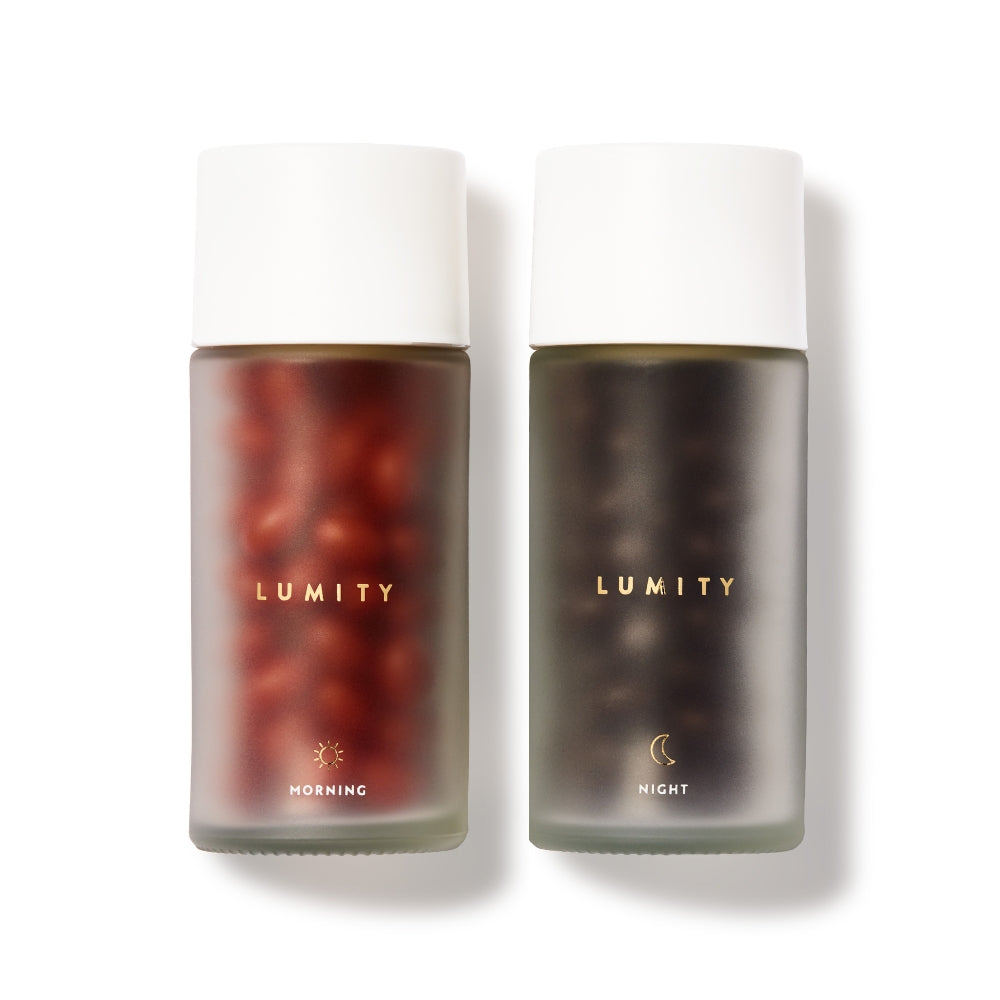
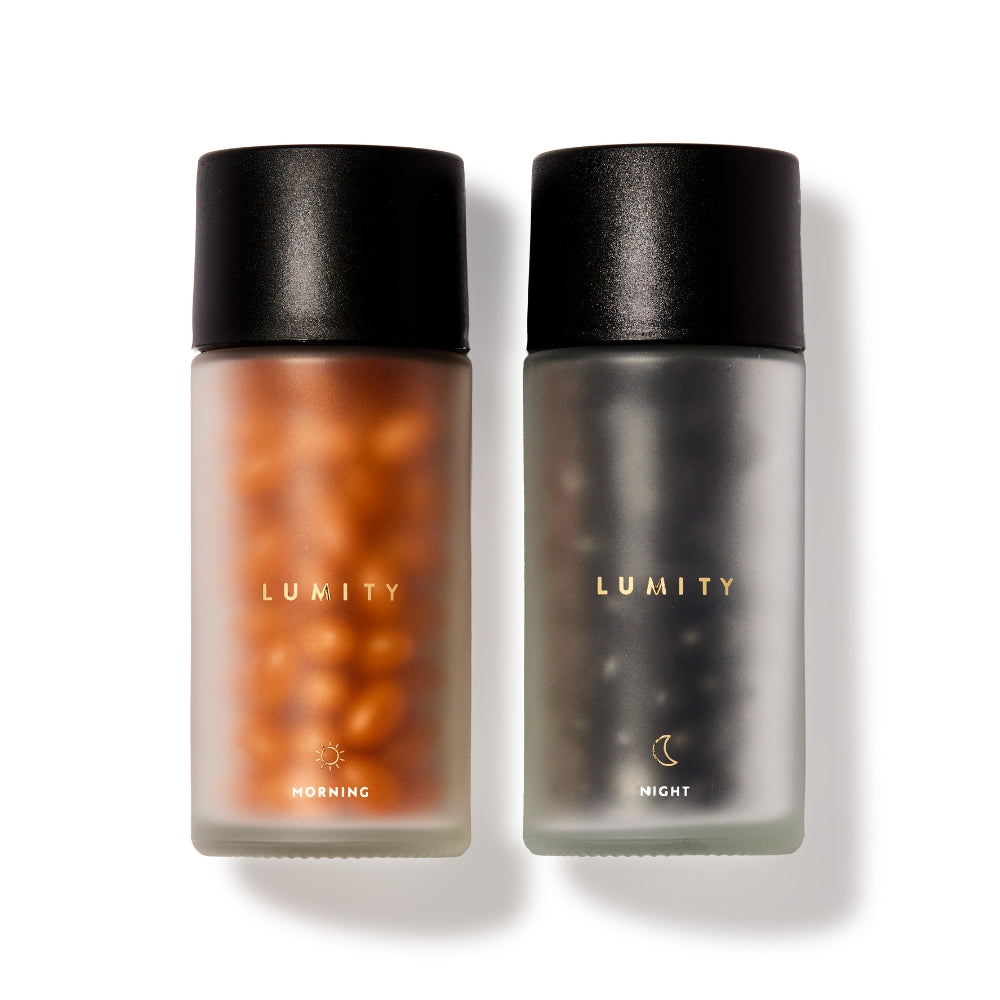
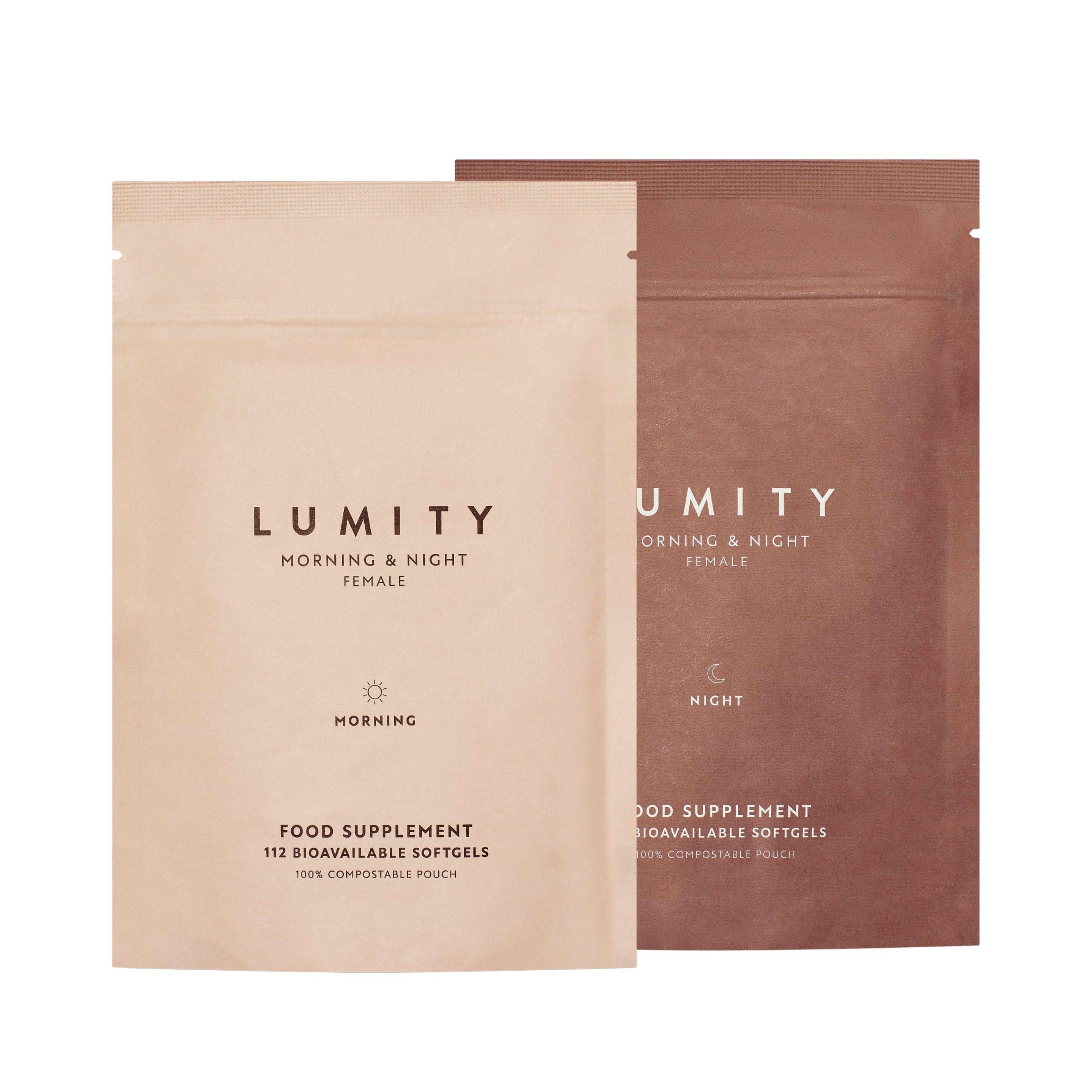
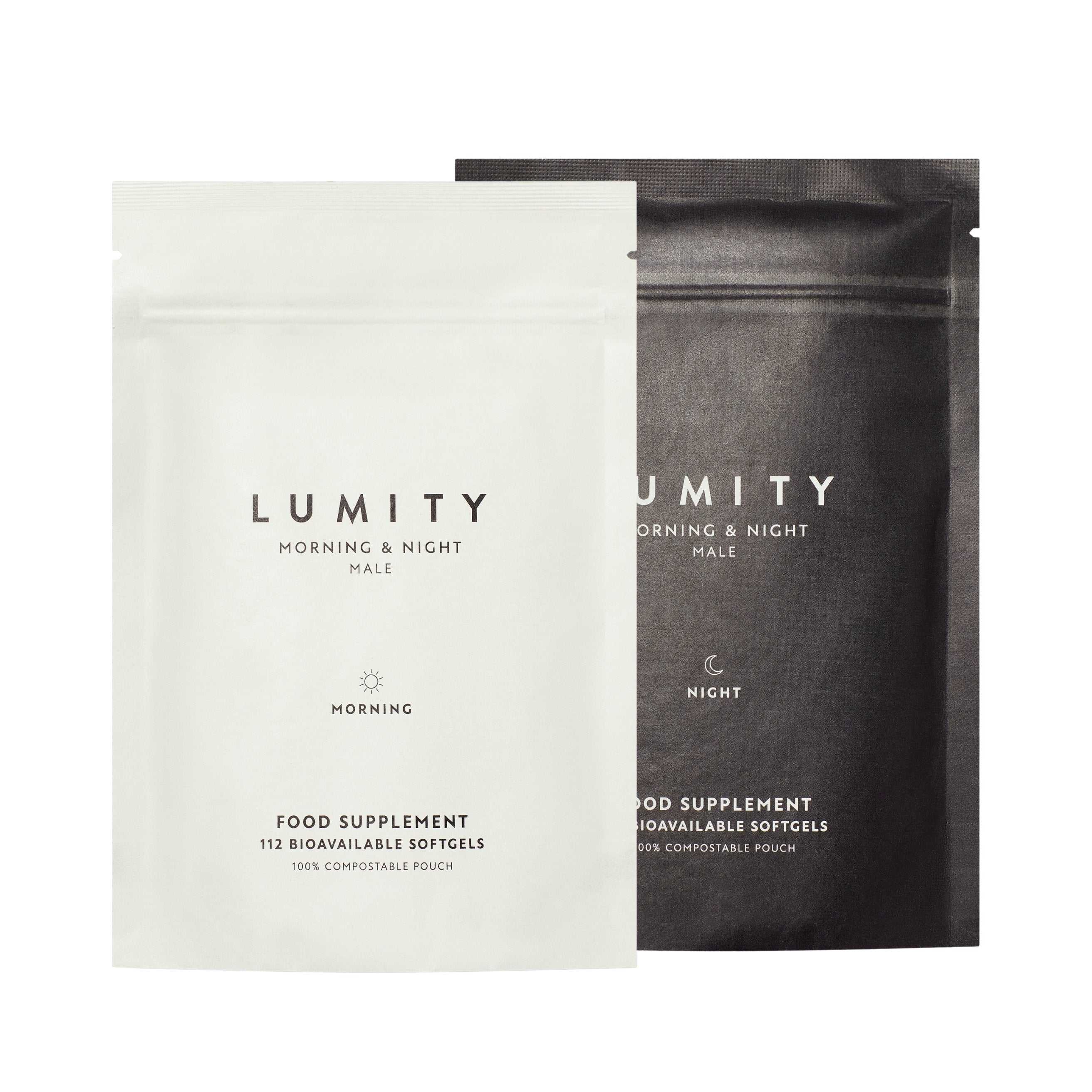
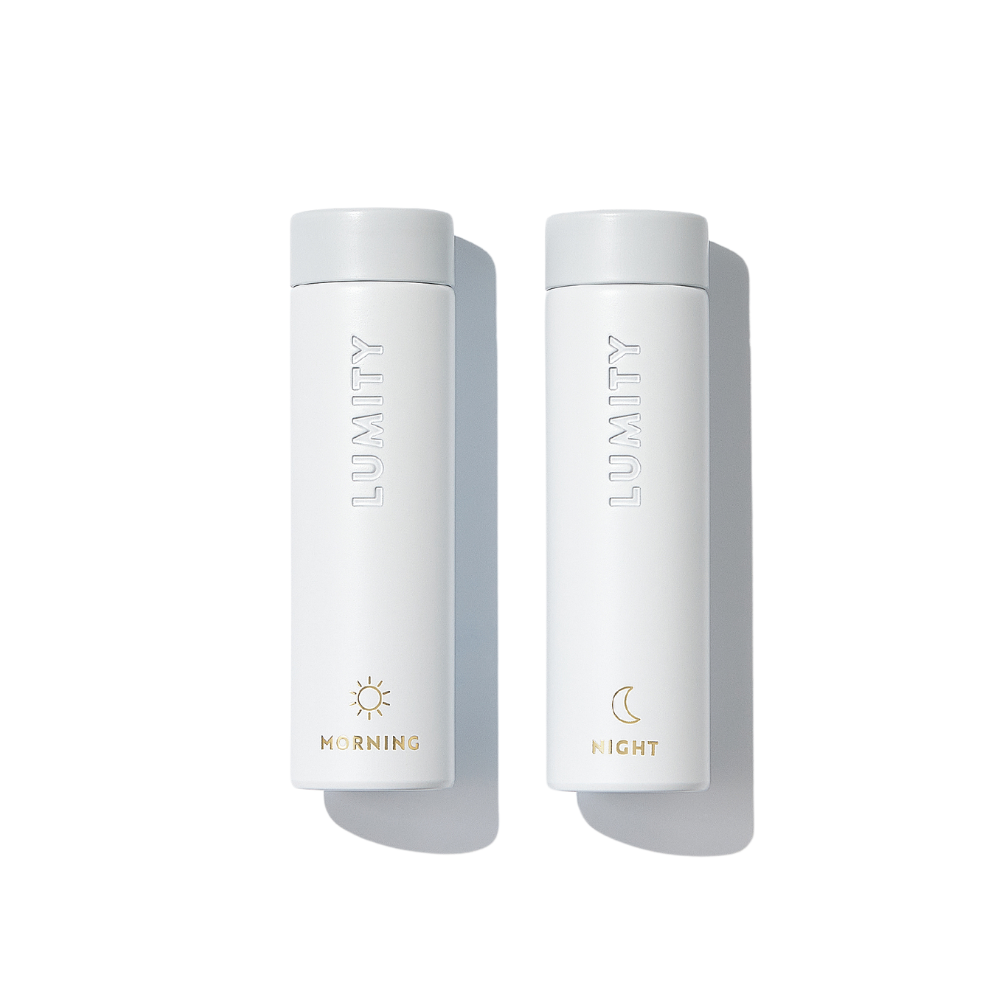
Lumity Morning & Night has been tested in a gold-standard, placebo-controlled clinical study published in the peer-reviewed Journal of Clinical and Aesthetic Dermatology.

A Clinically Tested Finished Formulation
The double-blind, placebo-controlled study enrolled 50 women aged 35–65 with mild-to-moderate photoaging. Participants received either the Lumity formulation or placebo for 12 weeks (Draelos, 2019).
What Researchers Measured
The study primarily investigated skin function and appearance, but also collected quality-of-life data covering energy, sleep, mental alertness, daytime energy slumps, emotional balance and endurance.
What the Study Found
At Week 8, quality-of-life results favoured the supplement for increased energy (p=0.020), improved sleep (p=0.010), easier waking (p=0.029) and fewer daytime energy slumps (p=0.018) (Draelos, 2019). These were self-reported outcomes rather than objective measurements of cellular energy.
What One Clinical Trial Can and Cannot Prove
A placebo-controlled design strengthens the evidence, but a single study of 50 women cannot establish that everyone will experience the same results. The trial was also funded by Lumity Life Ltd. The appropriate description is therefore clinically tested, not universally proven.
Why Morning & Night Is Structured Differently
The study used separate Morning and Night formulations, reflecting Lumity’s twice-daily approach. Rather than relying only on evidence for individual ingredients, the formulation has therefore also been investigated as a finished product.
How to Choose a Daily Energy Supplement Without Chasing a Quick Fix
With endless products promising energy, start with what your body needs rather than the latest ingredient trend.
Start With the Need, Not the Trend
Poor sleep, diet and lifestyle can all influence how energetic you feel, while persistent fatigue can have medical or nutritional causes. Baseline nutrient status also matters: the Vitamin D trial discussed earlier involved people who were deficient (Nowak et al., 2016).
Prefer a Routine You Can Sustain
An elaborate supplement stack is little use if you cannot maintain it. A simpler routine can also make it easier to understand what you are taking and avoid unnecessary ingredient overlap.
Look for Evidence Before Adjectives
Ignore words such as “ultimate” and “revolutionary”. Instead ask: Are quantities transparent? Do claims match the research? Has the finished formulation been clinically tested?
Credible nutritional support is rarely about instant transformation. Look for realistic claims, appropriate doses and evidence you can actually check.
Natural Energy Is Built, Not “Boosted”
Daily energy is better understood as a system than a switch. Vitamins, Minerals, Amino Acids and fats play different roles within normal physiology, but no single nutrient universally overrides inadequate sleep, poor nutrition or an underlying health problem.
Three Practical Takeaways
First, get the foundations right: nutrition, sleep and recovery matter.
Second, match every supplement claim to the actual evidence.
Third, prioritize adequacy over excess - more is not inherently better.
Supporting Your Energy for the Long Term
The most useful approach is therefore not chasing the strongest “boost”, but supporting the processes that help you function consistently. A clinically tested routine such as Lumity Morning & Night can sit within that wider approach: nutritional support designed for regular use, rather than a substitute for sleep, diet or medical care.
Frequently Asked Questions
Wich vitamin is best for tiredness?
There is no single best Vitamin because tiredness has many causes. Vitamin C and Folate both have authorized claims for contributing to the reduction of tiredness and fatigue when the relevant conditions of use are met.
Can Vitamin D help with low energy?
It may help where Vitamin D status is low. An RCT found improved self-reported fatigue following supplementation in Vitamin D-deficient adults (Nowak et al., 2016). This does not mean extra Vitamin D increases energy when status is already adequate.
Do Amino Acids give you energy?
Amino Acids participate in metabolic pathways involved in energy production and many other physiological processes. That does not mean taking an Amino Acid supplement necessarily produces an immediate energy boost.
How long do Vitamins take to work for tiredness?
There is no universal timeframe; it depends on the nutrient, baseline status, dose and cause of the tiredness. In the Vitamin D trial above, fatigue was assessed four weeks after supplementation. Persistent or unexplained fatigue should be medically assessed rather than repeatedly self-treated with supplements.
References
Alves, A., Bassot, A., Bulteau, A.-L., Pirola, L. and Morio, B. (2019) ‘Glycine metabolism and its alterations in obesity and metabolic diseases’, Nutrients, 11(6), p. 1356. doi: 10.3390/nu11061356.
Burns, P.B., Rohrich, R.J. and Chung, K.C. (2011) ‘The levels of evidence and their role in evidence-based medicine’, Plastic and Reconstructive Surgery, 128(1), pp. 305–310. doi: 10.1097/PRS.0b013e318219c171.
Draelos, Z.D. (2019) ‘An oral supplement and the nutrition–skin connection’, Journal of Clinical and Aesthetic Dermatology, 12(7), pp. 13–16. Available at: PubMed (Accessed: 22 September 2026).
European Commission (2012) Commission Regulation (EU) No 432/2012 of 16 May 2012 establishing a list of permitted health claims made on foods, other than those referring to the reduction of disease risk and to children’s development and health. Official Journal of the European Union, L136, pp. 1–40. Available at: EUR-Lex (Accessed: 22 September 2026).
Green, R. and Datta Mitra, A. (2017) ‘Megaloblastic anemias: Nutritional and other causes’, Medical Clinics of North America, 101(2), pp. 297–317. doi: 10.1016/j.mcna.2016.09.013.
Hadi, A., Askarpour, M., Salamat, S., Ghaedi, E., Symonds, M.E. and Miraghajani, M. (2020) ‘Effect of flaxseed supplementation on lipid profile: An updated systematic review and dose-response meta-analysis of sixty-two randomized controlled trials’, Pharmacological Research, 152, p. 104622. doi: 10.1016/j.phrs.2019.104622.
Huang, Z., Liu, Y., Qi, G., Brand, D. and Zheng, S.G. (2018) ‘Role of vitamin A in the immune system’, Journal of Clinical Medicine, 7(9), p. 258. doi: 10.3390/jcm7090258.
Longo, N., Frigeni, M. and Pasquali, M. (2016) ‘Carnitine transport and fatty acid oxidation’, Biochimica et Biophysica Acta (BBA) – Molecular Cell Research, 1863(10), pp. 2422–2435. doi: 10.1016/j.bbamcr.2016.01.023.
Maywald, M., Wessels, I. and Rink, L. (2017) ‘Zinc signals and immunity’, International Journal of Molecular Sciences, 18(10), p. 2222. doi: 10.3390/ijms18102222.
McLellan, T.M., Caldwell, J.A. and Lieberman, H.R. (2016) ‘A review of caffeine’s effects on cognitive, physical and occupational performance’, Neuroscience & Biobehavioral Reviews, 71, pp. 294–312. doi: 10.1016/j.neubiorev.2016.09.001.
National Institute for Health and Care Excellence (NICE) (2021) Myalgic encephalomyelitis (or encephalopathy)/chronic fatigue syndrome: diagnosis and management. NICE guideline NG206. Available at: NICE guideline NG206 (Accessed: 22 September 2026).
Nowak, A., Boesch, L., Andres, E., Battegay, E., Hornemann, T., Schmid, C., Bischoff-Ferrari, H.A., Suter, P.M. and Krayenbuehl, P.-A. (2016) ‘Effect of vitamin D3 on self-perceived fatigue: A double-blind randomized placebo-controlled trial’, Medicine, 95(52), e5353. doi: 10.1097/MD.0000000000005353.
Rebouche, C.J. (1991) ‘Ascorbic acid and carnitine biosynthesis’, The American Journal of Clinical Nutrition, 54(6 Suppl), pp. 1147S–1152S. doi: 10.1093/ajcn/54.6.1147S.
Soh, J., Raventhiran, S., Lee, J.H., Lim, Z.X., Goh, J., Kennedy, B.K. and Maier, A.B. (2024) ‘The effect of glycine administration on the characteristics of physiological systems in human adults: A systematic review’, GeroScience, 46(1), pp. 219–239. doi: 10.1007/s11357-023-00970-8.
Spinelli, J.B. and Haigis, M.C. (2018) ‘The multifaceted contributions of mitochondria to cellular metabolism’, Nature Cell Biology, 20, pp. 745–754. doi: 10.1038/s41556-018-0124-1.
Tardy, A.-L., Pouteau, E., Marquez, D., Yilmaz, C. and Scholey, A. (2020) ‘Vitamins and minerals for energy, fatigue and cognition: A narrative review of the biochemical and clinical evidence’, Nutrients, 12(1), p. 228. doi: 10.3390/nu12010228.
Wessels, I., Fischer, H.J. and Rink, L. (2021) ‘Dietary and physiological effects of zinc on the immune system’, Annual Review of Nutrition, 41, pp. 133–175. doi: 10.1146/annurev-nutr-122019-120635.
Read more

Decoding Omega 3 Supplements: From 'Pure' to 'High Strength'
Decoding Omega 3 supplements with our guide to EPA, DHA, high-strength formulas, quality markers and what to look for when choosing Omega 3.
Read more
Do Skin Supplements Really Work? The Clinical Evidence on Hydration and Elasticity
Clinical research, including a 2023 meta-analysis of twenty-six randomized controlled trials, indicates that oral hydrolyzed collagen peptides significantly improve skin hydration and elasticity wh...
Read more